
Compare models

iPhone 16 Pro Max • Unlocked vs iPhone Air • Unlocked

  • 1-year warranty
  • Free standard shipping
  • Free 30-day returns
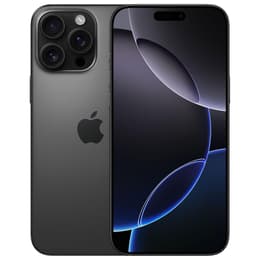
iPhone 16 Pro Max • Unlocked
Starting at

Refurbished price:$810.00

Versus $1,199.00 new

See options
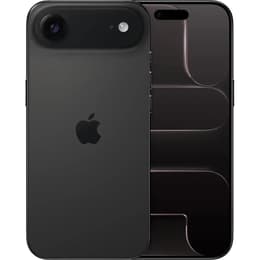
iPhone Air • Unlocked
Starting at

Refurbished price:$776.00

Versus $999.00 new

See options

Differences at a glance

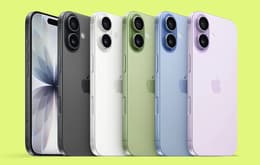
The iPhone 16 Pro Max (2024) and the iPhone Air (2025) represent two distinct design philosophies within Apple's modern smartphone ecosystem. While the iPhone 16 Pro Max focuses on maximum screen real estate and comprehensive hardware capabilities, the iPhone Air prioritizes an ultra-slim profile and lightweight portability. Both devices run on iOS and deliver advanced mobile computing, but they cater to entirely different user preferences regarding handling and physical form factor.

Available Models

Color

Storage (GB)

Scores

Durability

When evaluating longevity and structural durability, both smartphones offer robust build qualities and extended software support timelines typical of flagship mobile hardware.

  • Software Support and Updates: Both models benefit from multi-year operating system updates and security patches, ensuring long-term software compatibility, though the iPhone Air enters the market one generation later.
  • Build and Repairability: The iPhone 16 Pro Max utilizes a grade 5 titanium frame and durable glass back, whereas the iPhone Air achieves its slim profile with specialized reinforcement materials, and both maintain standard industry repairability frameworks.
  • Expected Practical Lifespan: Users can expect several years of reliable daily operation from either device, with longevity primarily dictated by battery cycle wear and personal handling habits over time.

Release Year

2024

2025

Last OS Compatibility

Yes

Yes

Foldable

No

No

Performance

Underneath their exteriors, both handsets handle demanding daily applications, intense multitasking, and modern mobile gaming with high efficiency and smooth system responsiveness.

  • Multitasking and Memory: Both devices come equipped with ample random access memory configurations to keep numerous apps active in the background without stuttering.
  • Storage and Battery Behavior: Generous internal storage tiers accommodate large media libraries, while the larger physical footprint of the iPhone 16 Pro Max allows for a higher-capacity battery compared to the streamlined, thin architecture of the iPhone Air.
  • Processor Efficiency: Advanced internal processors ensure rapid app launch speeds, responsive touch inputs, and stable frame rates during graphic-intensive tasks.

Screen quality

Display engineering differs noticeably between the two models, balancing maximum viewing area against slimmer physical dimensions.

  • Display Technology: Both models feature vibrant OLED panels with deep black levels, high contrast ratios, and fluid high refresh rate capabilities for smooth scrolling.
  • Brightness and Clarity: High peak brightness levels ensure outdoor readability under direct sunlight, while sharp resolutions render text and media with fine clarity.
  • Size and Viewing Experience: The iPhone 16 Pro Max offers a sprawling 6.9-inch viewing canvas suited for immersive media consumption, whereas the iPhone Air provides a slightly more compact 6.5-inch panel that balances screen space with easier one-handed reach.

Resolution

1320 x 2868

2736x1260

Screen type

LTPO Super Retina XDR OLED

Super Retina XDR

Audiovisual

Audio-visual capabilities vary significantly, reflecting the physical design constraints and hardware priorities of each phone.

  • Camera Systems: The iPhone 16 Pro Max features a versatile multi-lens camera array including dedicated optical zoom capabilities, while the iPhone Air streamlines photography with a single primary wide lens setup.
  • Low-Light and Video: Both units capture detailed everyday photos and stable high-definition video, though the Pro model offers greater flexibility for distant subjects.
  • Audio and Media Output: Stereo speaker configurations on the larger model deliver robust sound for media playback, while the ultra-thin profile of the iPhone Air alters internal acoustic chamber volume.

Main camera

48 megapixels

48 megapixels

Front camera

12 megapixels

18 megapixels

Miscellaneous

Practical daily usability elements, connectivity standards, and physical dimensions define the tactile differences between these two smartphones.

  • Connectivity and Ports: Both models support fast 5G networks, modern Wi-Fi protocols, and universal USB-C connectivity for charging and data transfer.
  • Handling and Dimensions: The iPhone 16 Pro Max weighs 227 grams with a larger chassis suited for two-handed use, whereas the iPhone Air weighs a significantly lighter 165 grams and measures just over 5 millimeters thick for effortless pocketability.
  • Authentication and Sensors: Face recognition technology secures both devices, complemented by ultra-wideband location tracking and precise spatial sensors.

Weight

185 oz

185 oz

Screen size (inches)

6.9

6.5

Network

5G

5G

SIM card

eSIM

eSIM

Carrier compatibility

Unlocked

Unlocked

Connector

USB-C (USB 3)

USB-C

What the community thinks

User feedback and community discussions highlight distinct preferences for each smartphone. Owners of the iPhone 16 Pro Max frequently praise its expansive display, exceptional battery endurance, and versatile camera suite, though some note its heavier weight and large physical footprint during one-handed operation. Conversely, users appreciate the iPhone Air for its remarkably lightweight feel and pocket-friendly profile, while noting that its slim design involves compromises on battery longevity and multi-lens camera flexibility.

Users prioritizing maximum screen space, versatile photography options, and extended battery duration will find the iPhone 16 Pro Max well-suited to their needs. Meanwhile, users prioritizing a lightweight device, comfortable one-handed handling, and an ultra-slim form factor may lean toward the iPhone Air. Quality-assured refurbished options for both models provide an eco-friendly alternative for conscious consumers looking to upgrade sustainably.
Our recent comparisons