Compare models
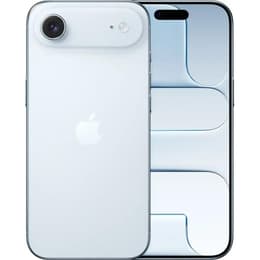
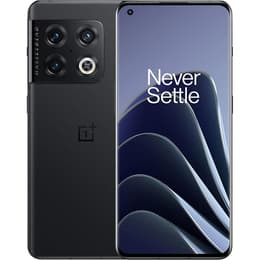
iPhone Air • Unlocked vs OnePlus 10 Pro • Unlocked
- 1-year warranty
- Free standard shipping
- Free 30-day returns
Differences at a glance
The iPhone Air (2025) and the OnePlus 10 Pro (2022) are distinct smartphones representing different design priorities and software ecosystems. While the iPhone Air focuses on an ultra-slim profile and runs on iOS, the OnePlus 10 Pro offers a traditional flagship layout powered by Android. Choosing between them involves weighing software preferences, physical dimensions, and everyday functional capabilities.
Available Models
Color
Storage (GB)
Scores
Durability
When comparing the hardware age and ongoing software lifespan, the iPhone Air benefits from a more recent release year than the OnePlus 10 Pro.
- Software Support Timeline: The iPhone Air receives Apple software updates extending further into the future, whereas the OnePlus 10 Pro launched earlier and sits further along its update lifecycle.
- Repairability and Build Longevity: Both devices feature sealed glass-and-metal construction requiring professional service for internal repairs, though modern components in the iPhone Air keep it relevant longer for demanding applications.
Release Year
2025
2022
Last OS Compatibility
Yes
Yes
OS
iOS
Android
Foldable
No
No
Performance
System responsiveness and everyday handling differ due to the generational gap and system architecture between these two devices.
- Everyday Speed and Multitasking: Both smartphones handle standard apps, web browsing, and switching between tasks smoothly, though the iPhone Air benefits from a newer processor generation for resource-heavy workloads.
- Battery Behavior: The OnePlus 10 Pro utilizes a larger physical battery capacity to sustain heavy daily use, while the iPhone Air relies on energy-efficient processing to manage its slimmer power cell.
Screen quality
Display technology on both models delivers crisp visuals, though they approach viewing area and panel brightness differently.
- Panel Technology and Clarity: Both devices feature vibrant OLED displays with deep contrast levels, high resolutions, and smooth adaptive refresh rates reaching up to 120Hz for fluid scrolling.
- Outdoor Visibility: The iPhone Air achieves high peak outdoor brightness levels for clear legibility in direct sunlight, matching the capable panel performance of the OnePlus 10 Pro.
Resolution
2736x1260
1440 x 3216
Screen type
Super Retina XDR
LTPO2 Fluid AMOLED
Audiovisual
Photography and media recording options vary, reflecting different design choices in camera hardware layout.
- Lens Configurations: The OnePlus 10 Pro includes a versatile triple-lens setup featuring dedicated wide, ultra-wide, and telephoto zoom options, whereas the iPhone Air utilizes a streamlined single primary camera design.
- Video and Audio Output: Both handsets record high-resolution video with stabilization features and provide clear stereo sound reproduction for calls and media consumption.
Main camera
48 megapixels
48 megapixels
Front camera
18 megapixels
32 megapixels
Miscellaneous
Physical dimensions and connectivity standards shape how each device fits into daily routines and travel use.
- Design and Dimensions: The iPhone Air stands out for its exceptionally thin profile and lighter weight, while the OnePlus 10 Pro offers a more traditional, contoured grip with a heavier build.
- Ports and Connectivity: Both models support modern 5G cellular networks and Wi-Fi standards, utilizing USB-C connectors for wired charging and data transfer.
Weight
185 oz
7 oz
Screen size (inches)
6.5
6.7
Network
5G
5G
SIM card
eSIM
Physical SIM
Carrier compatibility
Unlocked
Unlocked
What the community thinks
Users comparing these models generally highlight the iPhone Air for its exceptionally lightweight, slim form factor and long-term software outlook, while praising the OnePlus 10 Pro for its versatile multi-lens camera system and large battery capacity. Common discussions on community forums note that while the OnePlus model provides a traditional heavy-duty flagship feel, its age means fewer remaining software updates compared to newer releases.
Users prioritizing an ultra-thin design and extended software support may prefer the iPhone Air, while users prioritizing optical zoom versatility and a larger battery layout will lean toward the OnePlus 10 Pro. For those exploring sustainable purchasing paths, a quality-assured refurbished option provides a practical way to acquire either device while minimizing environmental impact. Ultimately, the right choice depends on whether physical slimness or camera versatility aligns best with daily needs.