Compare models

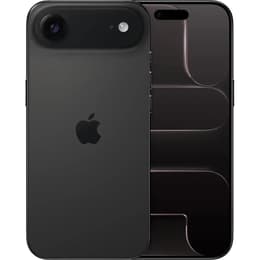
iPhone 15 Pro • Unlocked vs iPhone Air • Unlocked

  • 1-year warranty
  • Free standard shipping
  • Free 30-day returns
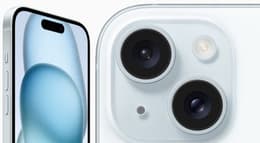
iPhone 15 Pro • Unlocked
Starting at

Refurbished price:$539.00

Versus $999.00 new

See options
iPhone Air • Unlocked
Starting at

Refurbished price:$776.00

Versus $999.00 new

See options

Differences at a glance

The iPhone 15 Pro (2023) and the iPhone Air (2025) represent two distinct design philosophies within Apple's smartphone lineup, balancing compact ergonomics with modern mobile engineering. While both devices utilize titanium build materials and feature high-refresh-rate displays, they differ significantly in physical footprint, internal capabilities, and release generations. Users exploring these models will find that the iPhone 15 Pro runs on earlier software foundations, whereas the iPhone Air introduces a remarkably thin profile and updated system hardware.

Available Models

Color

Storage (GB)

Scores

Durability

When evaluating longevity and structural endurance, both smartphones offer robust build qualities and extended software support timelines, though their release years create a natural gap in total expected lifecycle.

  • Release Timeline and Software Support: The iPhone 15 Pro arrived in late 2023, while the iPhone Air launched in late 2025, giving the newer model an extended window of official operating system updates.
  • Build and Repairability: Both devices incorporate titanium frames and high-durability glass protection, though the iPhone Air features updated scratch-resistant screen technology that handles daily pocket wear efficiently.
  • Practical Lifespan: Users seeking maximum software longevity from a current purchase will find that the newer release timeline of the iPhone Air naturally extends its active support window.

Release Year

2023

2025

Last OS Compatibility

Yes

Yes

OS

iOS

iOS

Foldable

No

No

Performance

Daily operation and multitasking capabilities differ due to generational hardware variations, memory configurations, and internal layout constraints.

  • System Responsiveness and Multitasking: Both models handle demanding applications, web browsing, and heavy multitasking smoothly, though the iPhone Air benefits from a higher RAM capacity that keeps multiple background apps active without reloading.
  • Storage and Everyday Utility: Storage configurations across both options accommodate extensive media libraries and large applications, supported by fast read and write speeds.
  • Battery Behavior: The iPhone 15 Pro relies on a more traditional housing depth that accommodates standard daily use, whereas the ultra-slim profile of the iPhone Air utilizes an optimized internal layout to maintain dependable all-day battery performance under typical conditions.

Screen quality

Visual immersion and panel characteristics vary primarily by physical dimensions, maximum brightness thresholds, and viewing space.

  • Display Technology and Size: The iPhone 15 Pro features a compact 6.1-inch OLED screen, whereas the iPhone Air provides a larger 6.5-inch OLED viewing area suited for media consumption and text readability.
  • Outdoor Visibility: Both panels deliver deep contrast levels and sharp resolutions, though the iPhone Air incorporates higher peak outdoor brightness thresholds for comfortable viewing under direct sunlight.
  • Smoothness and Motion: Both screens support adaptive refresh rates up to 120Hz, ensuring fluid scrolling, responsive touch tracking, and smooth animations throughout the interface.

Resolution

1179 x 2556

2736x1260

Screen type

LTPO Super Retina XDR OLED

Super Retina XDR

Audiovisual

Photography and media recording configurations reflect a choice between multi-lens versatility and a streamlined, single-lens approach.

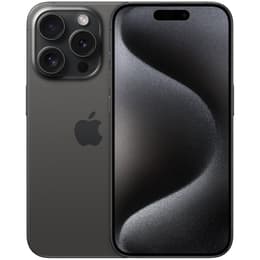
  • Camera System Setup: The iPhone 15 Pro equips a versatile triple-lens array including dedicated telephoto zoom capabilities, while the iPhone Air utilizes a single high-resolution main camera paired with optical-quality digital zoom steps.
  • Low-Light and Video Performance: Both devices capture detailed everyday photos and stable high-definition video with advanced HDR processing, though users requiring physical optical zoom lenses will lean toward the multi-lens layout.
  • Audio and Media Output: Media playback differs as the iPhone 15 Pro utilizes standard stereo speakers, whereas the ultra-thin build of the iPhone Air relies on a modified acoustic profile for calls and casual listening.

Main camera

48 megapixels

48 megapixels

Front camera

12 megapixels

18 megapixels

Miscellaneous

Physical dimensions, weight distribution, and connectivity standards dictate how each device feels and functions during everyday handling.

  • Handling and Portability: The iPhone 15 Pro offers a heavier, traditional feel in a smaller form factor, while the iPhone Air stands out as one of the thinnest and lightest mainstream smartphones available.
  • Connectivity and Ports: Both models utilize universal USB-C charging ports and support rapid wireless charging ecosystems alongside fast 5G cellular networks.
  • Security and Biometrics: Both smartphones rely on responsive facial recognition sensors housed within an interactive display cutout for secure authentication and purchases.

Weight

187 oz

185 oz

Screen size (inches)

6.1

6.5

Network

5G

5G

SIM card

eSIM

eSIM

Carrier compatibility

Unlocked

Unlocked

Connector

USB-C (USB 3)

USB-C

What the community thinks

User discussions across online communities frequently praise the iPhone 15 Pro for its complete multi-lens camera system and comfortable one-handed proportions, though some note that its battery life aligns strictly with standard daily expectations. Conversely, real-world feedback highlights the iPhone Air for its striking lightness and expansive screen, though users occasionally point out the absence of a physical telephoto lens as a practical compromise. Choosing between the two depends heavily on individual daily habits and ergonomic preferences.

Users prioritizing a compact footprint, multi-lens photography flexibility, and traditional pocketability will find the iPhone 15 Pro well-suited to their needs. On the other hand, users prioritizing a large viewing area, minimal weight, and an ultra-slim design will lean toward the iPhone Air. Selecting a quality-assured refurbished option through Back Market provides an eco-friendly, reliable pathway to acquiring either device while supporting sustainable electronics consumption.
Our recent comparisons