iPhone 14 Pro • Unlocked vs iPhone 16 • Unlocked

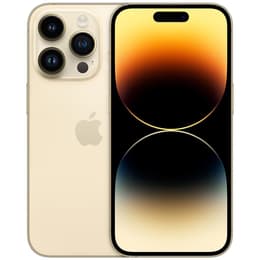
iPhone 14 Pro • Unlocked
Starting at

Refurbished price:$354.99

Versus $999.00 new

See options
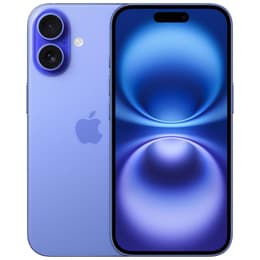
iPhone 16 • Unlocked
Starting at

Refurbished price:$516.00

Versus $729.00 new

See options

Ratings

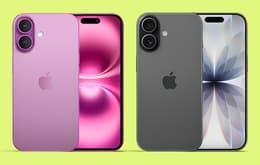
The iPhone 14 Pro, released in September 2022, and the iPhone 16, launched in September 2024, represent different generations within Apple's smartphone lineup. While both devices offer a premium iOS experience, the iPhone 16 introduces a more recent processor, updated connectivity, and new physical controls, whereas the iPhone 14 Pro distinguishes itself with its advanced display technology and a dedicated telephoto camera lens.

Scores

Durability

When considering the long-term usability of these devices, their release dates play a significant role in expected software support and overall practical lifespan.

  • Release Timeline: The iPhone 14 Pro was released in September 2022, while the iPhone 16 followed two years later in September 2024. This difference means the iPhone 16 will likely receive software updates for a longer period.
  • Software Longevity: Both devices run on the iOS operating system, with the iPhone 14 Pro launching with iOS 16 and the iPhone 16 with iOS 18. As of March 2026, both are updated to iOS 26.4. The iPhone 16 is expected to receive major iOS updates for at least two years longer than the iPhone 14 Pro, extending its functional lifespan.
  • Durability Features: Both models feature a Ceramic Shield front cover and an IP68 rating for water and dust resistance, allowing submersion up to 6 meters for 30 minutes. This indicates a similar level of protection against environmental elements.

Release Year

2022

2024

Last OS Compatibility

Yes

Yes

Foldable

No

No

Performance

The internal components of a smartphone dictate its speed and efficiency, particularly when handling demanding applications and multitasking.

  • Processing Power: The iPhone 14 Pro is equipped with the A16 Bionic chip, while the iPhone 16 features the newer A18 Bionic chip. This generational leap means the iPhone 16 offers enhanced processing capabilities, resulting in faster app loading times and smoother performance in graphically intensive games or complex tasks.
  • Multitasking and Responsiveness: The more advanced processor in the iPhone 16 contributes to a more fluid user experience, especially when switching between multiple applications or running several processes simultaneously. Users of the iPhone 16 may notice a snappier response and less lag during heavy usage.
  • Storage Options: Both devices are available with various internal storage capacities, typically ranging from 128GB up to 1TB for the iPhone 14 Pro and up to 512GB for the iPhone 16, providing ample space for apps, photos, and videos.

Memory (GB)

6 GB

8 GB

Screen quality

The display is a primary interface for smartphone interaction, and both models offer high-quality viewing experiences with some notable distinctions.

  • Display Technology and Clarity: Both the iPhone 14 Pro and iPhone 16 feature a 6.1-inch Super Retina XDR OLED display, delivering vibrant colors, deep blacks, and excellent contrast. Both have a resolution of 2556 x 1179 pixels, resulting in a sharp image density of approximately 460 pixels per inch.
  • Brightness and Outdoor Visibility: Both phones achieve a typical maximum brightness of 1000 nits and a peak outdoor brightness of 2000 nits, ensuring good visibility even in bright sunlight.
  • Refresh Rate and Advanced Features: A key difference lies in the refresh rate. The iPhone 14 Pro features ProMotion technology, offering an adaptive refresh rate up to 120Hz for smoother scrolling and more responsive interactions. It also includes an Always-On display. The iPhone 16, however, maintains a standard 60Hz refresh rate and does not include an Always-On display. Both models incorporate the Dynamic Island for notifications and live activities.

Resolution

1179 x 2556

1179 x 2556

Screen type

LTPO Super Retina XDR OLED

Super Retina XDR OLED

Audiovisual

Both the iPhone 14 Pro and iPhone 16 offer advanced camera systems designed for high-quality photography and videography, though with different configurations and capabilities.

  • Main Camera System: The iPhone 14 Pro features a 48MP main camera with a quad-pixel sensor, defaulting to 12MP images but capable of full 48MP ProRAW capture. It also includes a 12MP Ultra Wide and a 12MP Telephoto lens with 3x optical zoom. The iPhone 16 also has an advanced dual-camera system with a 48MP Fusion Main camera and a 12MP Ultra Wide camera. The iPhone 16's main camera supports 24MP and 48MP photos and offers 2x optical zoom through its main sensor.
  • Photography and Video Features: Both models benefit from Apple's Photonic Engine for improved low-light performance and detail. The iPhone 14 Pro offers Cinematic Mode up to 4K HDR at 30fps and Action Mode for stabilized video up to 2.8K at 60fps. The iPhone 16's cameras are vertically aligned, enabling spatial video capture. Users report the iPhone 16's camera produces natural-looking photos.
  • Front Camera and Audio: Both devices feature a 12MP front-facing camera with autofocus. For audio, both provide stereo speakers and good microphone quality for calls and recordings.

Main camera

48 megapixels

48 megapixels

Front camera

12 megapixels

12 megapixels

Miscellaneous

Beyond core features, several practical elements contribute to the overall user experience and daily functionality of these smartphones.

  • Connectivity Standards: The iPhone 14 Pro supports 5G and Wi-Fi 6 (802.11ax), along with Bluetooth 5.3. The newer iPhone 16 upgrades to Wi-Fi 7 (802.11be), offering potentially faster and more efficient wireless connections, while also supporting 5G and Bluetooth 5.3.
  • Physical Connections and Controls: The iPhone 14 Pro utilizes Apple's proprietary Lightning port. In contrast, the iPhone 16 adopts the more universal USB-C port, though at USB 2.0 speeds. The iPhone 16 also introduces new physical controls, including an Action Button, which replaces the traditional mute switch and can be customized for various functions, and a dedicated Camera Control button.
  • Dimensions and Handling: Both models feature a similar form factor, with the iPhone 14 Pro weighing 206g and the iPhone 16 weighing 170g, making the iPhone 16 slightly lighter. Both devices include Face ID for secure authentication.

Weight

7 oz

6000 oz

Screen size (inches)

6.1

6.1

Network

5G

5G

SIM card

eSIM

eSIM

Carrier compatibility

Unlocked

Unlocked

Connector

Lightning

USB-C (USB 2)

The iPhone 14 Pro and iPhone 16 each offer a compelling smartphone experience, catering to slightly different user priorities. The iPhone 14 Pro, despite being an older model, still provides a robust set of features, including its ProMotion 120Hz display and a dedicated 3x telephoto camera, which were considered premium at its release. Users have praised its solid performance, excellent camera capabilities, and reliable battery life for a full day of use.

The iPhone 16, as a newer device, brings generational improvements such as a more powerful processor, faster Wi-Fi 7 connectivity, and the versatile USB-C port. Its introduction of the Action Button and Camera Control button offers new ways to interact with the device. While it foregoes the 120Hz refresh rate and Always-On display found in the 14 Pro, it compensates with a generally improved battery life and the capability to support Apple Intelligence features.

Users prioritizing a smoother display experience with an adaptive refresh rate and a dedicated telephoto lens might find the iPhone 14 Pro more aligned with their needs. Conversely, those who value the latest processing power, faster wireless standards, the convenience of a USB-C port, and the new physical controls, along with longer software support, would likely lean towards the iPhone 16. Both devices offer a quality-assured refurbished option, providing an eco-friendly alternative for consumers seeking to make an informed and sustainable choice.

See all articles

Our recent comparisons