
Galaxy Z Fold6 • Unlocked vs iPhone 12 • Unlocked

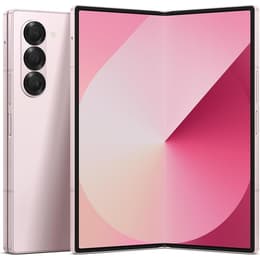
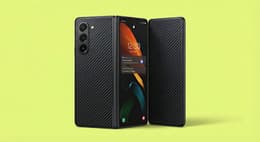
Galaxy Z Fold6 • Unlocked
Starting at

Refurbished price:$549.99

Versus $1,499.00 new

See options
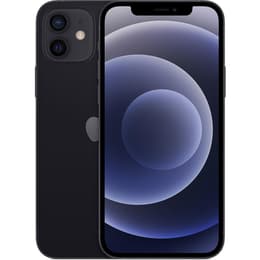
iPhone 12 • Unlocked
Starting at

Refurbished price:$172.96

Versus $629.00 new

See options

Ratings

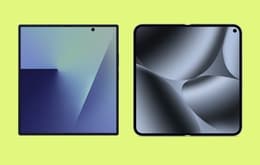
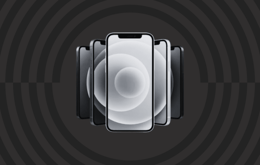
The Samsung Galaxy Z Fold6, released in July 2024, represents a modern approach to smartphone design with its innovative foldable form factor. In contrast, the iPhone 12, launched in October 2020, offers a more traditional smartphone experience. These devices operate on different ecosystems, with the Z Fold6 running Android and the iPhone 12 utilizing iOS. The primary distinction lies in the Z Fold6's ability to transform from a compact smartphone into a larger, tablet-like display, while the iPhone 12 maintains a consistent, conventional design.

Scores

Durability

When considering the long-term usability of these devices, their respective release dates and software support lifecycles are key factors.

  • Release Timeline: The Galaxy Z Fold6 is a much newer device, having been released in July 2024, compared to the iPhone 12's October 2020 launch. This difference in age directly impacts their expected software support.
  • Software Longevity: The Galaxy Z Fold6 launched with Android 14 and is expected to receive several years of major Android updates, potentially extending its software support well into the future. The iPhone 12, originally on iOS 14.1, is anticipated to receive iOS updates until approximately 2028-2030, offering a substantial period of continued software functionality.
  • Physical Durability: The Galaxy Z Fold6 features an enhanced Armor Aluminum frame and an IP48 rating, indicating water resistance and limited dust protection. Its folding mechanism is tested for 200,000 folds, suggesting robust mechanical endurance. The iPhone 12 incorporates a Ceramic Shield front cover and an IP68 rating for water and dust resistance. While both devices offer good protection against liquids, the Z Fold6's folding design introduces unique considerations for dust ingress, with some user reports noting dust getting into the hinge more easily than previous models.

Release Year

2024

2020

Last OS Compatibility

Yes

Yes

OS

Android

iOS

Foldable

Yes

No

Performance

The performance capabilities of these two smartphones reflect their different generations and design philosophies, impacting how they handle various tasks.

  • Processing Power: The Galaxy Z Fold6 is equipped with a current-generation processor designed for demanding applications and efficient multitasking, providing a responsive experience even with intensive use. The iPhone 12, powered by its A14 Bionic chip, remains capable for most everyday tasks in 2026, such as browsing, social media, and light gaming. However, it may not offer the same level of fluidity for heavy multitasking or the most graphically intensive games compared to newer devices.
  • Multitasking and RAM: With 12GB of RAM, the Galaxy Z Fold6 is well-suited for running multiple applications simultaneously, especially when utilizing its larger inner display for productivity. The iPhone 12 features 4GB of RAM, which is sufficient for typical smartphone usage but may lead to more frequent app reloading when switching between many applications.
  • Battery Behavior: The Galaxy Z Fold6 houses a 4400 mAh battery, generally providing a full day of use for many users, though heavy reliance on the larger foldable screen can increase power consumption. The iPhone 12 has a 2815 mAh battery, and its battery life is a common point of discussion among users, often requiring more frequent charging, particularly for heavy users or after several years of use.

Memory (GB)

12 GB

4 GB

Screen quality

The display experience is a significant differentiator between these two devices, primarily due to the Z Fold6's unique foldable design.

  • Display Technology and Size: The Galaxy Z Fold6 offers a versatile screen experience with a 7.6-inch foldable Dynamic AMOLED 2X inner display and a 6.3-inch Dynamic AMOLED 2X outer display. This allows users to switch between a traditional smartphone form factor and a larger, tablet-like canvas. The iPhone 12 features a 6.1-inch Super Retina XDR OLED display, providing a consistent, high-quality viewing area.
  • Resolution and Clarity: Both devices offer sharp and clear visuals. The Z Fold6's inner display has a resolution of 2160 x 1856 pixels, while its outer display is 2376 x 968 pixels. The iPhone 12's display has a resolution of 2532 x 1170 pixels, resulting in a pixel density of 460 pixels per inch.
  • Brightness and Refresh Rate: The Galaxy Z Fold6's displays feature an adaptive refresh rate of up to 120Hz and a peak brightness of 2600 nits, contributing to smooth scrolling and excellent outdoor visibility. The iPhone 12's OLED display offers vibrant colors and deep blacks with a typical brightness of 625 nits and a peak HDR brightness of 1200 nits, but it operates at a standard 60Hz refresh rate.

Resolution

1856 x 2160

1170 x 2532

Screen type

Foldable Dynamic LTPO AMOLED 2X

Super Retina XDR OLED

Audiovisual

Both smartphones provide capable camera systems, though they cater to slightly different user expectations and offer varying features.

  • Rear Camera System: The Galaxy Z Fold6 is equipped with a triple rear camera setup, including a 50MP wide-angle lens with optical image stabilization (OIS), a 12MP ultra-wide lens, and a 10MP telephoto lens with 3x optical zoom and OIS. This configuration offers versatility for various photographic situations. The iPhone 12 features a dual 12MP camera system, comprising a wide and an ultra-wide lens, suitable for everyday photography.
  • Photography Performance: The Z Fold6 delivers good results in various lighting conditions, with improved low-light performance thanks to features like Night Shot. The iPhone 12 also performs well in good lighting and offers a capable Night mode for low-light scenarios, along with Deep Fusion for enhanced detail.
  • Video Recording and Front Cameras: Both devices support high-quality video recording. The Z Fold6 can record up to 4K video, and the iPhone 12 was notable for its ability to record 4K Dolby Vision HDR video. For front-facing cameras, the Z Fold6 has a 10MP camera on its cover screen and a 4MP under-display camera on its main screen. The iPhone 12 features a 12MP TrueDepth front camera.

Main camera

50 megapixels

12 megapixels

Front camera

4 megapixels

12 megapixels

Miscellaneous

Beyond core features, several practical elements contribute to the overall user experience and differentiate these two devices.

  • Connectivity and Ports: The Galaxy Z Fold6 supports modern connectivity standards including 5G, Wi-Fi 6E, and Bluetooth 5.3, and features a USB-C port for charging and data transfer. The iPhone 12 also supports 5G and Wi-Fi 6, but uses Bluetooth 5.0 and Apple's proprietary Lightning port.
  • Physical Characteristics: The Z Fold6, being a foldable device, is heavier at 239 grams and thicker when folded (12.1 mm) compared to the iPhone 12, which weighs 162 grams and has a thickness of 7.4 mm. The Z Fold6's dimensions when unfolded are 153.5 x 132.6 x 5.6 mm, offering a significantly larger screen area.
  • Biometric Security and Other Features: The Galaxy Z Fold6 includes a side-mounted fingerprint sensor and face recognition, along with optional S Pen support (sold separately). The iPhone 12 relies on Face ID for secure authentication. Both devices offer NFC for contactless payments.

Weight

8 oz

7 oz

Screen size (inches)

7.6

6.1

Network

5G

5G

SIM card

Physical SIM + eSIM

Physical SIM + eSIM

Carrier compatibility

Unlocked

Unlocked

The Samsung Galaxy Z Fold6 and the iPhone 12 cater to distinct user preferences, reflecting their different design philosophies and release timelines. Users often praise the Z Fold6 for its innovative foldable design, offering a large, immersive screen for productivity and media consumption, effectively combining a smartphone and tablet experience. Its powerful processor and ample RAM make it well-suited for demanding applications and extensive multitasking. However, some common concerns include its camera performance not matching the absolute top-tier traditional flagships, the charging speed, and the persistent, though often ignorable, crease on the inner display.

The iPhone 12, while an older model, is frequently lauded for its consistent performance for everyday tasks, its high-quality OLED display, and its capable camera system, particularly for video recording. Its continued software support from Apple is also a significant advantage for long-term usability. On the other hand, common criticisms often revolve around its battery life, which can be a limiting factor for heavy users, and its base storage capacity.

Users prioritizing a versatile device that can adapt from a standard smartphone to a larger screen for enhanced productivity, media, or gaming may find the Galaxy Z Fold6 a compelling choice. Those who value a more traditional, streamlined smartphone experience with robust software support and a strong camera for general use might lean towards the iPhone 12. For individuals considering either device, exploring quality-assured refurbished options can provide an eco-friendly alternative.

See all articles

Our recent comparisons