
Galaxy Z Fold6 • Unlocked vs iPhone 16 Pro Max • Unlocked

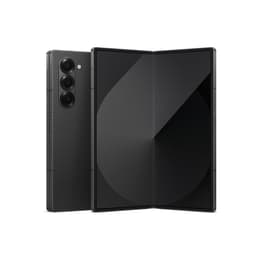
Galaxy Z Fold6 • Unlocked
Starting at

Refurbished price:$549.99

Versus $1,499.00 new

See options
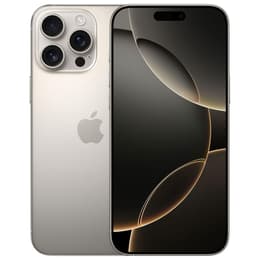
iPhone 16 Pro Max • Unlocked
Starting at

Refurbished price:$759.00

Versus $1,199.00 new

See options

Ratings

The Samsung Galaxy Z Fold6 and the Apple iPhone 16 Pro Max represent distinct approaches to high-end smartphone design, both released in 2024. The Galaxy Z Fold6 offers a unique foldable form factor, transforming from a traditional smartphone into a larger tablet-like display, running on Android with Samsung's One UI. In contrast, the iPhone 16 Pro Max maintains a conventional, large-screen smartphone design, powered by Apple's iOS. These devices cater to different user preferences, primarily differing in their display technology and overall user experience.

Scores

Durability

When considering the long-term usability of these devices, their release timelines, software support, and repairability are key factors.

  • Release and Software Support: The Samsung Galaxy Z Fold6 was officially announced in July 2024 and became available later that month. Samsung has committed to providing 7 years of Android OS upgrades and security updates for the Z Fold6. The iPhone 16 Pro Max was announced in September 2024 and released shortly after. Apple typically provides major iOS updates for around five to six years, with the iPhone 16 Pro Max expected to receive updates until 2031.
  • Repairability: The repairability of the Samsung Galaxy Z Fold6 is considered relatively low, with some assessments giving it a score of around 4.5 out of 10 due to the complexity of its foldable screen, adhesive use, and delicate internal components. The iPhone 16 Pro Max, however, shows significant improvements in repairability compared to previous iPhone generations, earning a score of 7 out of 10 from iFixit. This is attributed to a more modular design and easier access to components like the battery and cameras.
  • Practical Lifespan: Both devices are built with robust materials, with the Z Fold6 featuring Gorilla Glass Victus 3 on its cover screen and the iPhone 16 Pro Max utilizing a durable titanium design. The Z Fold6 has also demonstrated strong performance in durability tests, including bend tests. Users can expect a practical lifespan influenced by both software longevity and the ease of hardware maintenance.

Release Year

2024

2024

Last OS Compatibility

Yes

Yes

Foldable

Yes

No

Performance

The performance of both the Galaxy Z Fold6 and the iPhone 16 Pro Max is designed to handle demanding tasks, though they achieve this with different hardware configurations.

  • Processing Power: The Galaxy Z Fold6 is equipped with a current-generation processor optimized for Galaxy devices, which contributes to smooth operation and efficient handling of applications. The iPhone 16 Pro Max features Apple's latest Pro series chip, providing substantial power for complex applications, gaming, and advanced computational tasks. Both devices offer a highly responsive user experience, with applications loading quickly and multitasking capabilities that allow for seamless transitions between apps.
  • Memory and Storage: The Galaxy Z Fold6 typically comes with 12 GB of RAM, supporting extensive multitasking, especially with its large foldable display. The iPhone 16 Pro Max is equipped with 8 GB of RAM. Both devices offer various internal storage options, ranging from 256 GB up to 1 TB, providing ample space for apps, media, and files.
  • Real-world Usage: User reviews indicate that both phones deliver excellent performance for everyday use, including web browsing, social media, and streaming. For intensive tasks like high-fidelity gaming or video editing, both devices maintain high frame rates and smooth operation, with some speed tests showing the iPhone having a slight edge in certain benchmarks, while the Z Fold6's larger screen can enhance the gaming experience.

Memory (GB)

12 GB

8 GB

Screen quality

The display experience is a primary differentiator between these two devices, with the Z Fold6 offering a unique foldable design and the iPhone 16 Pro Max providing a large, traditional screen.

  • Display Technology and Size: The Samsung Galaxy Z Fold6 features a 7.6-inch main foldable Dynamic AMOLED 2X display with a resolution of 1856 x 2160 pixels, and a 6.3-inch cover display with a resolution of 968 x 2376 pixels. The iPhone 16 Pro Max boasts a 6.9-inch Super Retina XDR OLED display with a resolution of 2868 x 1320 pixels. The Z Fold6's main display offers a tablet-like experience when unfolded, while the iPhone provides a large, immersive single screen.
  • Brightness and Refresh Rate: Both devices feature adaptive refresh rates of up to 120 Hz, ensuring smooth scrolling and fluid animations. The Z Fold6's displays can reach a peak brightness of up to 2,600 nits, offering excellent visibility even in bright outdoor conditions. The iPhone 16 Pro Max also offers high brightness levels, with 1000 nits typical and 2000 nits at peak, contributing to clear outdoor viewing.
  • Viewing Experience: The Z Fold6's foldable screen allows for versatile usage, from a compact phone to a larger canvas for multitasking and media consumption. The crease on the foldable display is present but generally does not detract from the viewing experience for most users. The iPhone 16 Pro Max's large, flat OLED display provides deep blacks and vibrant colors, ideal for traditional smartphone use and media consumption.

Resolution

1856 x 2160

1320 x 2868

Screen type

Foldable Dynamic LTPO AMOLED 2X

LTPO Super Retina XDR OLED

Audiovisual

Both the Galaxy Z Fold6 and the iPhone 16 Pro Max are equipped with advanced camera systems designed to capture high-quality photos and videos in various conditions.

  • Rear Camera Systems: The Samsung Galaxy Z Fold6 features a triple rear camera setup, including a 50 MP wide-angle primary camera, a 12 MP ultra-wide-angle camera, and a 10 MP telephoto lens with 3x optical zoom. The iPhone 16 Pro Max also has a triple camera system, consisting of a 48 MP wide-angle primary camera, a 48 MP ultra-wide-angle camera, and a 12 MP telephoto lens with up to 5x optical zoom. Both systems are capable of producing detailed images with good color reproduction.
  • Photography and Video Features: The Z Fold6 offers features like Dual Pixel autofocus, optical image stabilization (OIS) on its main and telephoto lenses, and the ability to record 8K video at 30 fps. Its foldable design allows users to utilize the main cameras for high-quality selfies, with a preview on the cover screen. The iPhone 16 Pro Max includes a new 48MP Ultra Wide camera with autofocus, a second-generation quad-pixel sensor for faster data reading, and 4K 120 fps video recording in Dolby Vision. It also features a Camera Control button for quick access and enhanced photographic styles.
  • Low-Light Performance and User Sentiment: While both devices perform well in good lighting, user reviews suggest that the iPhone 16 Pro Max shows improvements in low-light performance, particularly with its upgraded ultrawide camera. Some Z Fold6 users have expressed a desire for more significant camera upgrades, noting that the camera hardware has remained similar to previous generations.

Main camera

50 megapixels

48 megapixels

Front camera

4 megapixels

12 megapixels

Miscellaneous

Beyond core performance and display, several practical elements differentiate the user experience of the Galaxy Z Fold6 and the iPhone 16 Pro Max.

  • Connectivity and Ports: Both devices support 5G connectivity and advanced Wi-Fi standards, including Wi-Fi 7 for the iPhone 16 Pro Max, ensuring fast and reliable wireless communication. Both the Z Fold6 and iPhone 16 Pro Max utilize USB-C ports for charging and data transfer. The iPhone 16 Pro Max exclusively uses eSIM technology, supporting dual active eSIMs, while the Z Fold6 offers dual physical SIM and eSIM support.
  • Biometrics and Design: The Galaxy Z Fold6 incorporates a fingerprint reader and face recognition for secure unlocking. The iPhone 16 Pro Max relies on 3D face recognition. In terms of physical design, the Z Fold6 weighs approximately 239 grams and has dimensions that change when folded (153.5 x 68.1 x 12.1 mm) versus unfolded (153.5 x 132.6 x 5.6 mm). The iPhone 16 Pro Max weighs around 227 grams and measures 163.0 x 77.6 x 8.25 mm. The Z Fold6's design prioritizes a larger screen in a compact form factor, while the iPhone 16 Pro Max offers a large, traditional display in a sleek, titanium body.
  • Additional Features: The iPhone 16 Pro Max includes an Action Button and a new Camera Control key, enhancing user interaction and photography. The Z Fold6 supports S Pen input on its main display, though it does not have a built-in slot for the stylus.

Weight

8 oz

7990 oz

Screen size (inches)

7.6

6.9

Network

5G

5G

SIM card

Physical SIM + eSIM

eSIM

Carrier compatibility

Unlocked

Unlocked

The Samsung Galaxy Z Fold6 and the iPhone 16 Pro Max cater to distinct user needs, each excelling in different areas based on their fundamental design philosophies. User feedback for the Galaxy Z Fold6 often praises its innovative foldable display, which offers a versatile experience for multitasking and media consumption, effectively combining a smartphone and a small tablet into one device. Criticisms sometimes point to the camera hardware not receiving significant upgrades compared to previous models and the inherent complexities of a foldable design, such as the visible crease.

For the iPhone 16 Pro Max, common praise highlights its exceptional battery life, powerful performance, and enhanced camera capabilities, particularly in video recording and low-light photography. Users appreciate the robust build quality and the seamless integration within the Apple ecosystem. Some users might find its large size less convenient for one-handed use, and while repairability has improved, it still requires specialized tools for certain repairs.

Users prioritizing a unique, adaptable form factor for productivity and immersive media viewing may find the Galaxy Z Fold6 well-suited to their needs. Its large internal display is ideal for those who frequently use multiple apps simultaneously or prefer a larger screen for reading and browsing. Conversely, users who value a traditional, highly refined smartphone experience with top-tier camera performance, extended battery life, and a strong software ecosystem will likely lean towards the iPhone 16 Pro Max. Both devices represent the pinnacle of their respective design philosophies, offering advanced features for different user profiles. For those considering either of these advanced devices, exploring quality-assured refurbished options can be an eco-friendly alternative.


See all articles

Our recent comparisons