
Compare models
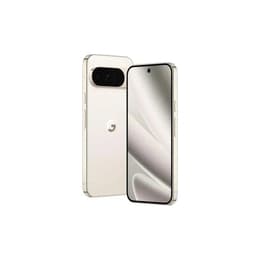
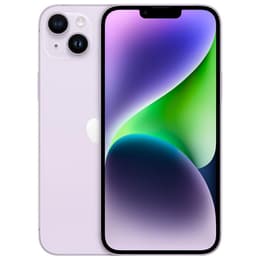
Google Pixel 10 Pro XL • Unlocked vs iPhone 14 Plus • Unlocked
- 1-year warranty
- Free standard shipping
- Free 30-day returns
Differences at a glance
The Google Pixel 10 Pro XL (2025) and the Apple iPhone 14 Plus (2022) are large-format smartphones designed to deliver expansive viewing spaces and robust everyday reliability. While they originate from different release years and operate on distinct software ecosystems, both devices cater to users seeking generous screen real estate. The Google Pixel 10 Pro XL runs on Android 16 with integrated artificial intelligence capabilities, whereas the iPhone 14 Plus operates on iOS.
Available Models
Color
Storage (GB)
Scores
Durability
Comparing the lifespan metrics of these two devices highlights clear generational differences in software longevity, release timing, and hardware durability expectations.
- Software support lifecycle: The Google Pixel 10 Pro XL benefits from a more recent release timeline and extended multi-year update commitments, while the iPhone 14 Plus has an earlier launch date and a shorter remaining software support window.
- Repairability and build resilience: Both handsets incorporate modern protective glass panels and sturdy frame constructions designed to withstand daily wear, complemented by standard water and dust resistance ratings.
- Expected practical lifespan: Users can anticipate prolonged software relevance and security updates from the newer Google model, whereas the Apple model offers a dependable track record of long-term stability within its ecosystem.
Release Year
2025
2022
OS
Android
iOS
Foldable
No
No
Performance
Handling daily operations, storage capacities, and energy efficiency differs notably between the two platforms based on their internal hardware configurations.
- Storage configurations: The Google Pixel 10 Pro XL starts with larger baseline storage options paired with substantial random access memory for heavy multitasking, whereas the iPhone 14 Plus offers standard tiers of internal memory suited for general media storage.
- Multitasking and responsiveness: Both devices manage daily app launching, web browsing, and media streaming smoothly, though the newer processor architecture in the Google model provides additional headroom for demanding workloads.
- Battery behavior: Each phone features a large physical footprint that houses a high-capacity battery, supporting a full day of typical usage before requiring a recharge.
Screen quality
Visual immersion is a primary focus for both models, utilizing large panels designed for comfortable media consumption and clear readability.
- Display technology: Both devices employ advanced OLED panel technology that delivers deep black levels, high contrast ratios, and vivid color reproduction for videos and photos.
- Brightness and outdoor visibility: The Google Pixel 10 Pro XL achieves exceptionally high peak brightness levels for clear outdoor legibility in direct sunlight, while the iPhone 14 Plus offers reliable brightness suitable for everyday outdoor tasks.
- Refresh rate and smoothness: The Google Pixel 10 Pro XL features an adaptive high refresh rate for fluid scrolling and animations, whereas the iPhone 14 Plus utilizes a standard refresh rate for interface navigation.
Resolution
1344 x 2992
1284 x 2778
Screen type
LTPO OLED
Super Retina XDR OLED
Audiovisual
Optics and audio playback capabilities reflect different engineering priorities for capturing memories and enjoying multimedia content.
- Camera versatility: The Google Pixel 10 Pro XL incorporates a versatile triple-lens rear setup including a dedicated high-zoom telephoto lens, while the iPhone 14 Plus relies on a dual-lens system optimized for straightforward everyday photography.
- Low-light and video performance: Both devices capture clear low-light images and stable high-definition video, supported by automated software processing to reduce blur and balance exposure.
- Audio output: Stereo speaker configurations on both models deliver clear sound for hands-free calls, podcasts, and casual video playback without requiring external speakers.
Miscellaneous
Practical daily usability elements such as physical dimensions, connectivity standards, and sensor technology shape the handling experience of each device.
- Physical dimensions and weight: Both smartphones offer large screen experiences housed in sizable chassis designs, requiring two-handed use for optimal comfort and reach.
- Connectivity and ports: The Google Pixel 10 Pro XL utilizes a reversible USB-C port alongside modern wireless standards, whereas the iPhone 14 Plus uses a traditional Lightning port for charging and wired data transfer.
- Security sensors: The Google model provides biometric authentication through facial recognition and an in-display fingerprint sensor, while the Apple model relies entirely on advanced facial recognition technology.
Weight
8 oz
7 oz
Screen size (inches)
6.8
6.7
Network
5G
5G
SIM card
eSIM
eSIM
Carrier compatibility
Unlocked
Unlocked
Connector
USB-C
Lightning
What the community thinks
User discussions across community forums frequently praise the Google Pixel 10 Pro XL for its versatile zoom capabilities, high-refresh-rate display, and fluid integration of intelligent software assistants. Common points of discussion often revolve around its larger physical weight and the ongoing evolution of its processing platform. Conversely, the iPhone 14 Plus receives consistent appreciation for its dependable battery longevity, straightforward user interface, and stable performance within the broader Apple ecosystem, though some users note the absence of a high refresh rate or dedicated optical zoom lens.
Users prioritizing advanced photography zoom features, high display refresh rates, and deeper customization will find the Google Pixel 10 Pro XL well-suited to their preferences. Meanwhile, users valuing straightforward software navigation, ecosystem continuity, and reliable day-to-day simplicity may lean toward the iPhone 14 Plus. For buyers exploring sustainable purchasing alternatives, a quality-assured refurbished option provides an eco-friendly path to acquiring either device without compromising on core performance.