
Compare models

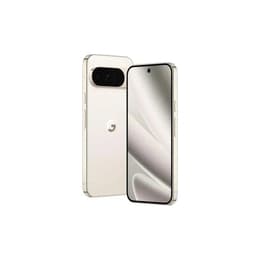
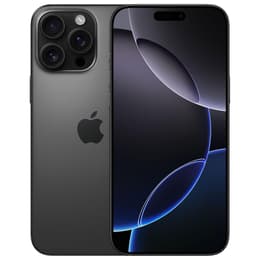
Google Pixel 10 Pro XL • Unlocked vs iPhone 16 Pro Max • Unlocked

  • 1-year warranty
  • Free standard shipping
  • Free 30-day returns
Google Pixel 10 Pro XL • Unlocked
Starting at

Refurbished price:$718.50

Versus $1,199.00 new

See options
iPhone 16 Pro Max • Unlocked
Starting at

Refurbished price:$810.00

Versus $1,199.00 new

See options

Differences at a glance

The Google Pixel 10 Pro XL (2025) and the Apple iPhone 16 Pro Max (2024) represent top-tier large-format flagship smartphones from competing major ecosystems. While both devices deliver expansive screens, premium build qualities, and advanced computational capabilities, they operate on different software platforms—Android and iOS respectively. Choosing between them often comes down to ecosystem preference, software style, and everyday utility features.

Available Models

Color

Storage (GB)

Scores

Durability

Both smartphones are engineered to remain relevant for years, though their update lifecycles and software maintenance windows reflect different manufacturer commitments and platform architectures.

  • Software Support Longevity: The Google Pixel 10 Pro XL benefits from an extended multi-year update window covering operating system upgrades and security patches, aligning with modern Android standards. The iPhone 16 Pro Max typically receives continuous iOS updates for a similar multi-year span based on Apple's established support history.
  • Repairability and Build Maintenance: Both models feature robust designs that incorporate durable glass and metallic frames, though professional repair accessibility varies by region for each manufacturer. Devices chosen as a quality-assured refurbished option offer an eco-friendly alternative that extends hardware lifespans while reducing electronic waste.
  • Expected Practical Lifespan: High-capacity internal storage configurations and generous system memory ensure that both handsets maintain smooth operational efficiency through years of daily use.

Release Year

2025

2024

Foldable

No

No

Performance

Underneath their exteriors, both devices handle demanding applications, rapid multitasking, and resource-heavy mobile games smoothly, though they utilize distinct hardware architectures.

  • Multitasking and Memory Handling: The Google Pixel 10 Pro XL features abundant system memory that allows multiple heavy apps to stay active in the background simultaneously. The iPhone 16 Pro Max relies on tight hardware and software integration to manage background tasks efficiently with optimized memory allocations.
  • Everyday System Responsiveness: App loading times, UI navigation, and transition animations feel instantaneous on both models thanks to advanced internal processors.
  • Battery Behavior in Daily Use: Both units incorporate large battery capacities designed to easily sustain a full day of mixed usage, including web browsing, streaming, and messaging, though charging speeds vary depending on the connected power adapter.

Screen quality

Display technology is a primary focus for both oversized flagship models, delivering immersive viewing experiences for media consumption and daily tasks.

  • Display Technology and Clarity: Both phones utilize advanced OLED panels with high resolutions that produce deep blacks, sharp text reproduction, and vibrant color accuracy.
  • Outdoor Visibility and Brightness: High peak brightness levels ensure that content remains legible even under direct sunlight.
  • Refresh Rate and Scrolling Smoothness: Both devices employ adaptive refresh rate technology scaling up to 120 Hz, ensuring fluid scrolling through web pages and smooth motion during gaming.

Resolution

1344 x 2992

1320 x 2868

Screen type

LTPO OLED

LTPO Super Retina XDR OLED

Audiovisual

The camera systems on both handsets cater to casual photographers and content creators alike, offering versatile lens selections and advanced processing capabilities.

  • Rear Camera Versatility: Both models feature a triple-lens setup including a primary wide lens, an ultra-wide lens, and a dedicated telephoto lens with optical zoom capabilities.
  • Low-Light and Video Recording: Computational photography algorithms on both devices brighten dark scenes effectively, while high-resolution video modes capture stable footage with clear audio recording.
  • Media Consumption and Audio Output: Stereo speaker setups on both units deliver balanced sound output suitable for hands-free calls, podcasts, and casual video viewing.

Miscellaneous

Practical daily features, connectivity standards, and physical handling characteristics shape the ergonomic experience of each device.

  • Connectivity and Ports: Both models support current-generation 5G networks, fast Wi-Fi standards, and Bluetooth, utilizing a reversible USB-C port for charging and data transfer.
  • Security and Authentication: Biometric authentication is handled via facial recognition or secure fingerprint scanning depending on the model's sensor suite.
  • Physical Dimensions and Handling: Both are large smartphones with substantial footprints and weights, making two-handed use comfortable for extended tasks.

Weight

8 oz

185 oz

Screen size (inches)

6.8

6.9

Network

5G

5G

SIM card

eSIM

eSIM

Carrier compatibility

Unlocked

Unlocked

Connector

USB-C

USB-C (USB 3)

What the community thinks

User discussions across community forums frequently praise the Google Pixel 10 Pro XL for its intuitive AI integration, clean software layout, and versatile photo editing tools. At the same time, users often highlight the iPhone 16 Pro Max for its reliable video capture consistency, robust ecosystem synchronization, and smooth long-term performance stability. Frequent criticisms for both devices generally point toward their large physical sizes, which can feel cumbersome for users with smaller hands, and the high retail cost of buying brand-new units.

Users prioritizing deep customization, flexible file management, and advanced assistant features may prefer the Google Pixel 10 Pro XL. Conversely, users heavily invested in the Apple ecosystem who prioritize video production tools and long-term resale stability will likely lean toward the iPhone 16 Pro Max. Exploring a quality-assured refurbished option provides a sustainable choice for acquiring either device without compromising on functional capability.

Our recent comparisons