
Google Pixel 6a • Unlocked vs iPhone 16 • Unlocked

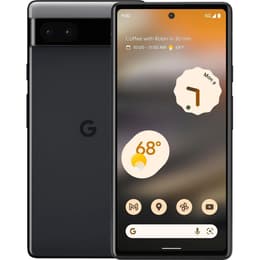
Google Pixel 6a • Unlocked
Starting at

Refurbished price:$141.00

Versus $399.00 new

See options
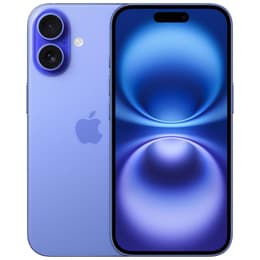
iPhone 16 • Unlocked
Starting at

Refurbished price:$516.00

Versus $729.00 new

See options

Ratings

The Google Pixel 6a, released in July 2022, and the Apple iPhone 16, launched in September 2024, represent distinct approaches to the smartphone experience. While the Pixel 6a offers a compelling Android experience with Google's computational photography and Tensor chip, the iPhone 16 brings Apple's latest iOS innovations, an updated camera system, and enhanced AI capabilities. These devices cater to users within their respective ecosystems, with key differences in their core hardware and software philosophies.

Scores

Durability

When considering the long-term usability of these devices, their release timelines and software support are significant factors.

  • Software Longevity: The Google Pixel 6a, released in mid-2022, typically receives approximately five years of security updates from its launch, with major Android version updates for a shorter period. The iPhone 16, released in late 2024, benefits from Apple's generally longer software support cycle, extending its practical lifespan for receiving the latest iOS features and security patches.
  • Physical Durability: The Pixel 6a features an IP67 rating for dust and water resistance, meaning it can withstand immersion in up to 1 meter of water for 30 minutes. The iPhone 16 is designed with a durable build, including a Ceramic Shield front cover and an IP68 rating, offering enhanced protection against dust and water, allowing for immersion in deeper water for the same duration.
  • Repairability: Both devices are designed with modern smartphone construction, which can present challenges for user-initiated repairs. However, Apple has indicated efforts to make components like the battery more easily replaceable in newer iPhone models, which could contribute to the iPhone 16's long-term serviceability.

Release Year

2022

2024

Last OS Compatibility

Yes

Yes

Foldable

No

No

Performance

The performance of a smartphone is largely determined by its internal components and how efficiently the software utilizes them.

  • Processing Power: The Google Pixel 6a is powered by Google's Tensor chip, which provides smooth performance for everyday tasks, app navigation, and handles demanding applications effectively. The iPhone 16 incorporates Apple's A18 chip, designed to deliver robust performance for complex applications, advanced gaming, and on-device artificial intelligence features, offering a noticeable step up in raw processing capability.
  • Multitasking and Storage: The Pixel 6a comes with 6GB of RAM and 128GB of internal storage, which is suitable for most users' app and data needs. The iPhone 16 features 8GB of RAM across all models, enhancing its ability to manage multiple applications simultaneously and handle more intensive workloads. It also offers a wider range of storage options, including 128GB, 256GB, and 512GB.
  • Battery Behavior: The Pixel 6a is equipped with a 4410 mAh battery, providing sufficient power for a full day of moderate use, though heavy users might find themselves needing to recharge before the day ends. The iPhone 16 has a 3561 mAh battery in its standard model, and with software optimizations and efficient hardware, it is designed to offer extended usage times. It also supports faster wired charging at up to 40W and 20W MagSafe wireless charging.

Memory (GB)

6 GB

8 GB

Screen quality

The display is a primary interface for smartphone interaction, and both devices offer distinct visual experiences.

  • Display Technology and Clarity: Both the Pixel 6a and the iPhone 16 feature OLED displays, known for their deep blacks and vibrant colors. The Pixel 6a has a 6.1-inch OLED screen with a 2400 x 1080 pixel resolution, resulting in a pixel density of approximately 429 pixels per inch. The iPhone 16 also has a 6.1-inch Super Retina XDR OLED display with a resolution of 2556 x 1179 pixels, providing a slightly higher pixel density of 460 pixels per inch for sharp visuals.
  • Refresh Rate and Smoothness: The Pixel 6a features a standard 60Hz refresh rate, which provides a consistent visual experience for everyday use. The iPhone 16 maintains a 60Hz refresh rate for its standard model, delivering smooth scrolling and responsiveness for typical smartphone interactions.
  • Brightness and Viewing Experience: Both displays offer good brightness levels for indoor and outdoor viewing. The iPhone 16's Super Retina XDR display is designed to offer high peak brightness, which can be beneficial for visibility in bright sunlight and for HDR content.

Resolution

1080 x 2400

1179 x 2556

Screen type

OLED

Super Retina XDR OLED

Audiovisual

Both the Google Pixel 6a and the iPhone 16 prioritize camera performance, albeit with different hardware and software approaches.

  • Rear Camera System: The Pixel 6a features a dual-camera setup with a 12.2-megapixel wide lens (f/1.7 with optical image stabilization) and a 12-megapixel ultrawide lens (f/2.2 with a 114-degree field of view). The iPhone 16 comes with an advanced dual-camera system, including a 48-megapixel main camera (f/1.6 with sensor-shift optical image stabilization) that can also function as a 2x telephoto lens, and a 12-megapixel ultrawide camera (f/2.2 with a 120-degree field of view).
  • Photography Performance: The Pixel 6a leverages Google's computational photography to produce detailed and well-exposed images, even with its older sensor, performing well in various lighting conditions. The iPhone 16's larger main sensor and advanced image processing, including features like Photonic Engine and Smart HDR 5, contribute to improved low-light performance, dynamic range, and overall image quality.
  • Video Recording and Front Camera: The Pixel 6a can record 4K video at 30 or 60 frames per second with its rear cameras, and its 8-megapixel front camera records at 1080p. The iPhone 16 supports 4K Dolby Vision video recording at various frame rates (24, 25, 30, or 60 fps) and features a 12-megapixel TrueDepth front camera, offering higher resolution for selfies and video calls.

Main camera

12.2 megapixels

48 megapixels

Front camera

8 megapixels

12 megapixels

Miscellaneous

Beyond the core specifications, several practical features contribute to the overall user experience of these smartphones.

  • Connectivity: Both devices support 5G cellular connectivity for fast mobile data speeds. The Pixel 6a includes Wi-Fi 6E and Bluetooth 5.2 for wireless connections. The iPhone 16 also supports Wi-Fi 6E and features updated Bluetooth capabilities, ensuring reliable and fast wireless communication.
  • Ports and Biometrics: The Pixel 6a utilizes a USB-C 3.1 port for charging and data transfer and features an in-display fingerprint sensor for secure unlocking. The iPhone 16 also uses a USB-C port and relies on Face ID for biometric authentication.
  • Design and Handling: The Pixel 6a has dimensions of 152.2 x 71.8 x 8.7 mm and weighs 178 grams, offering a comfortable in-hand feel. The iPhone 16, with its 6.1-inch display, maintains a similar form factor to previous standard iPhone models, designed for comfortable handling. It also introduces new physical controls like the Action Button and a dedicated Capture Button for camera functions.

Weight

6 oz

6000 oz

Screen size (inches)

6.1

6.1

Network

5G

5G

SIM card

Physical SIM + eSIM

eSIM

Carrier compatibility

Unlocked

Unlocked

The Google Pixel 6a and the Apple iPhone 16 cater to different user preferences, reflecting their respective ecosystems and design philosophies. Users often praise the Pixel 6a for its exceptional camera performance, especially considering its segment, and its clean Android software experience. Its Tensor chip provides capable performance for daily tasks. Some common criticisms have included its 60Hz display, which some users find less fluid compared to higher refresh rate screens, and initial reports of inconsistent battery life for heavy users, though software updates have aimed to address some concerns.

The iPhone 16, on the other hand, is frequently lauded for its seamless integration with the Apple ecosystem, its powerful A18 chip, and its advanced camera system. The introduction of Apple Intelligence and new physical buttons like the Action Button and Capture Button are often highlighted as significant enhancements to user interaction and functionality. While specific user criticisms for the iPhone 16 are still emerging given its relatively recent release, general feedback on new iPhone models often centers on the incremental nature of upgrades for some users.

Users prioritizing a strong computational photography experience and a pure Android interface may find the Google Pixel 6a well-suited to their needs. Those who value the Apple ecosystem, robust performance for demanding applications, and advanced AI features will likely lean towards the iPhone 16. Both devices offer a quality-assured refurbished option, providing an eco-friendly alternative for consumers looking to make a sustainable choice.

See all articles

Our recent comparisons