
Compare models
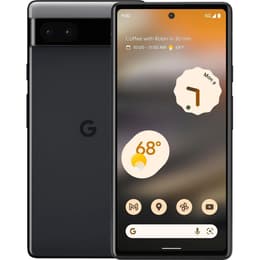
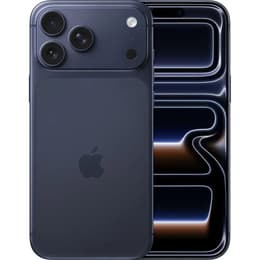
Google Pixel 6a • Unlocked vs iPhone 17 Pro Max • Unlocked
- 1-year warranty
- Free standard shipping
- Free 30-day returns
Differences at a glance
The Google Pixel 6a (2022) and the iPhone 17 Pro Max (2025) occupy entirely different categories and release years within the smartphone market, catering to distinct user expectations. While the Google Pixel 6a runs on the Android operating system with a streamlined software interface, the iPhone 17 Pro Max operates on iOS and offers advanced flagship hardware capabilities. These two devices diverge significantly in processing power, screen technology, and build philosophy.
Available Models
Color
Storage (GB)
Scores
Durability
When evaluating longevity, these devices offer different software support timelines and hardware resilience profiles based on their respective release dates.
- Software updates and support: The iPhone 17 Pro Max benefits from a much later release year, ensuring several more years of active operating system upgrades compared to the Google Pixel 6a.
- Build durability: Both devices feature robust construction materials and water resistance ratings, though the iPhone 17 Pro Max incorporates more advanced glass protection for drop resistance.
- Expected lifespan: Users can anticipate many years of daily utility from either model, though software support longevity favors the newer Apple flagship.
Release Year
2022
2025
Last OS Compatibility
Yes
Yes
OS
Android
iOS
Foldable
No
No
Performance
Processing capabilities and day-to-day multitasking behavior vary substantially between these two devices, driven by hardware generation gaps and memory configurations.
- Multitasking and memory: The iPhone 17 Pro Max provides ample RAM for demanding background tasks, while the Google Pixel 6a handles everyday multitasking smoothly for standard applications.
- System responsiveness: Heavy apps, demanding games, and complex rendering tasks execute with higher speed and thermal efficiency on the iPhone 17 Pro Max, whereas the Google Pixel 6a excels at fluid navigation for routine daily workflows.
- Battery behavior: Both phones manage daily power consumption well, though heavy users of media and gaming will notice different endurance profiles depending on individual usage intensity.
Screen quality
Display characteristics differ notably in refresh rates, peak brightness levels, and overall physical dimensions.
- Display technology: The iPhone 17 Pro Max features a large OLED display with a high refresh rate for smooth scrolling, while the Google Pixel 6a utilizes a standard 60 Hz OLED panel with vibrant colors and deep blacks.
- Outdoor visibility: High peak brightness levels on the iPhone 17 Pro Max make it exceptionally easy to read under direct sunlight, whereas the Google Pixel 6a performs adequately in bright outdoor settings.
- Viewing experience: Users who prefer compact form factors will find the Google Pixel 6a comfortable to handle, while media consumers seeking expansive screen estate will lean toward the large display of the iPhone 17 Pro Max.
Resolution
1080 x 2400
2868x1320
Screen type
OLED
Super Retina XDR
Audiovisual
Imaging hardware and media recording tools vary widely, offering distinct options for casual photographers and mobile videographers alike.
- Camera systems: The iPhone 17 Pro Max incorporates a versatile triple-lens array with high-resolution sensors and extensive optical zoom, while the Google Pixel 6a relies on a dual-lens setup paired with robust computational photography software.
- Video and audio: Video recording on the iPhone 17 Pro Max supports advanced cinematic formats and professional capture options, whereas the Google Pixel 6a delivers crisp 4K footage and clear audio for everyday recording.
- Speaker output: Stereo speakers on both devices provide clear sound for media playback, with the larger chassis of the iPhone 17 Pro Max producing richer audio depth.
Main camera
12.2 megapixels
48 megapixels
Front camera
8 megapixels
18 megapixels
Miscellaneous
Practical physical design choices and connectivity standards shape the everyday handling experience of each smartphone.
- Physical dimensions: The Google Pixel 6a is lightweight and compact for single-handed use, whereas the iPhone 17 Pro Max has a heavier, larger footprint that prioritizes screen real estate.
- Ports and connectivity: Both models support modern 5G networks and utilize USB-C connectivity for charging and data transfer.
- Security sensors: The Google Pixel 6a features an under-display fingerprint sensor, while the iPhone 17 Pro Max utilizes facial recognition technology for authentication.
Weight
6 oz
185 oz
Screen size (inches)
6.1
6.9
Network
5G
5G
SIM card
Physical SIM + eSIM
eSIM
Carrier compatibility
Unlocked
Unlocked
What the community thinks
User feedback on community forums highlights distinct preferences for each device based on individual habits. Owners of the Google Pixel 6a frequently praise its compact size, clean software experience, and reliable everyday camera capabilities. Common discussions note that its screen refresh rate feels dated compared to newer hardware, and heavy users sometimes desire longer battery endurance during intensive tasks. Conversely, users of the iPhone 17 Pro Max frequently commend its exceptional screen fluidity, extensive battery performance, and versatile zoom photography. Frequent criticisms for the Apple flagship focus on its heavy physical weight and large pocket footprint.
Users prioritizing a lightweight, compact device for standard communication and quick snapshots will find the Google Pixel 6a well-suited to their needs. Meanwhile, users prioritizing maximum screen space, advanced photography tools, and long-term processing headroom may lean toward the iPhone 17 Pro Max. For consumers interested in a sustainable choice, exploring a quality-assured refurbished option provides an eco-friendly alternative to purchasing newly manufactured hardware.