
Google Pixel
Compare models
Differences at a glance
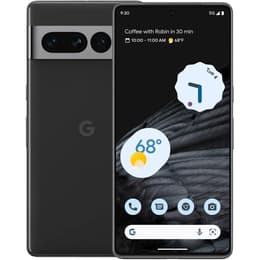
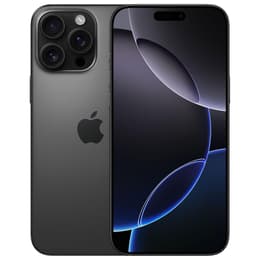
The Google Pixel 7 Pro, released in October 2022, and the iPhone 16 Pro Max, launched in September 2024, represent different generations of flagship smartphones. While both offer premium experiences, the iPhone 16 Pro Max benefits from a newer release, bringing advancements in processing power, display technology, and camera capabilities. The Pixel 7 Pro runs on Google's Android operating system, known for its customization and deep integration with Google services, whereas the iPhone 16 Pro Max operates on Apple's iOS, recognized for its streamlined user experience and ecosystem.
Color
Storage
When considering the longevity of these devices, their respective release timelines and software support policies are key differentiators.
Release Year
Last OS Compatibility
Foldable
Performance is a crucial aspect for any smartphone, influencing how smoothly applications run and how efficiently tasks are handled.
The visual experience is paramount for smartphones, and both devices offer high-quality displays with distinct characteristics.
Resolution
Screen type
Both smartphones are recognized for their advanced camera systems, offering versatile photography and videography capabilities.
Main camera
Front camera
Beyond core performance and display, several other features contribute to the overall user experience and practical utility of these devices.
Weight
Screen size (inches)
Network
SIM card
Carrier compatibility
The Google Pixel 7 Pro and iPhone 16 Pro Max cater to users with varying priorities. Users often praise the Pixel 7 Pro for its exceptional camera capabilities, particularly its computational photography features that deliver consistent and high-quality images, especially in challenging lighting conditions. Its clean Android experience and deep integration with Google's AI services are also frequently highlighted as strengths. However, some users have noted that its battery life can be inconsistent, particularly with heavy usage, and its raw performance, while adequate for most daily tasks, may not match the top-tier speeds of newer flagship devices.
Conversely, the iPhone 16 Pro Max is often lauded for its robust and consistent performance, powered by its advanced processor, which ensures smooth operation across all applications and demanding tasks. Its extended battery life is a significant advantage for users who require their device to last through long periods of use. The iPhone's camera system is also highly regarded for its versatility, video capabilities, and overall image quality. Criticisms, when present, often revolve around the more closed nature of the iOS ecosystem compared to Android's flexibility.
Users prioritizing a cutting-edge mobile photography experience with a focus on AI-driven features and a customizable Android environment may find the Pixel 7 Pro well-suited to their needs. For those who value sustained high performance, industry-leading battery life, and a tightly integrated ecosystem with a strong emphasis on video capabilities, the iPhone 16 Pro Max would be a compelling choice. Both devices offer a premium smartphone experience, and considering a quality-assured refurbished option for either model can provide an eco-friendly alternative for consumers.