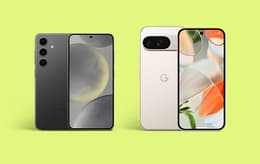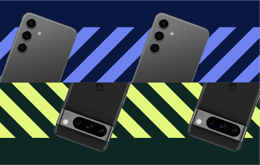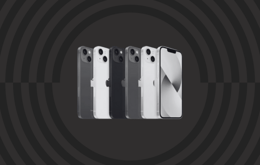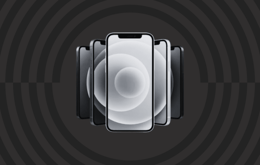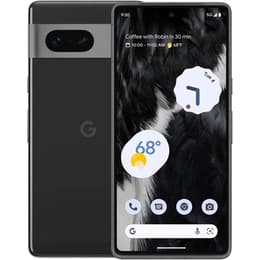
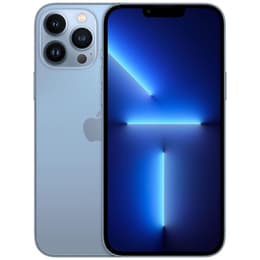

Google Pixel 7 • Unlocked vs iPhone 13 Pro Max • Unlocked

Google Pixel 7 • Unlocked
Starting at

Refurbished price:$185.00

Versus $599.99 new

See options
iPhone 13 Pro Max • Unlocked
Starting at

Refurbished price:$362.27

Versus $999.00 new

See options

Ratings

The Google Pixel 7, released in October 2022, and the iPhone 13 Pro Max, launched in September 2021, represent distinct approaches to the premium smartphone experience. While both devices offer robust performance and advanced camera systems, they cater to different user preferences through their respective operating systems and design philosophies. The Pixel 7 operates on Google's Android platform, emphasizing computational photography and a streamlined software experience, whereas the iPhone 13 Pro Max runs on Apple's iOS, known for its integrated ecosystem and powerful video capabilities.

Scores

Durability

When considering the long-term usability of these devices, several factors contribute to their expected lifespan, including software support and physical resilience.

  • Release Timeline: The iPhone 13 Pro Max was released in September 2021, making it approximately one year older than the Google Pixel 7, which debuted in October 2022. This difference in launch dates impacts the remaining duration of official software support.
  • Software Longevity: Apple typically provides extensive iOS updates, often spanning 5-6 years from a device's release. The iPhone 13 Pro Max shipped with iOS 15 and is upgradable to iOS 26.3, suggesting a considerable future update path. The Pixel 7 launched with Android 13 and is upgradable to Android 16, with Google promising up to five major Android upgrades, offering a comparable, though potentially slightly shorter, support window given its newer release.
  • Physical Durability: Both smartphones feature robust construction. The iPhone 13 Pro Max utilizes Ceramic Shield on its front and has a stainless steel frame, while the Pixel 7 is protected by Gorilla Glass Victus on both its front and back, with an aluminum frame. Both devices also carry an IP68 rating for water and dust resistance, indicating a high level of protection against environmental elements.

Release Year

2022

2021

Last OS Compatibility

Yes

Yes

OS

Android

iOS

Foldable

No

No

Performance

The performance of a smartphone is crucial for daily tasks, from app usage to demanding multimedia. Both the Pixel 7 and iPhone 13 Pro Max deliver capable experiences, though with different underlying architectures.

  • Storage Options: The iPhone 13 Pro Max offers a wider range of internal storage configurations, including 128GB, 256GB, 512GB, and a substantial 1TB option, catering to users with extensive storage needs. The Google Pixel 7 is available with 128GB or 256GB of internal storage.
  • Battery Behavior: The iPhone 13 Pro Max is widely recognized for its exceptional battery longevity, often providing up to two days of use for moderate users due to its 4352 mAh battery and efficient hardware. The Pixel 7, equipped with a 4355 mAh battery, generally offers a full day of power, with some users reporting 6-8 hours of screen-on time, though heavy usage or 5G connectivity can lead to quicker drainage for some individuals.
  • System Responsiveness: The iPhone 13 Pro Max provides a consistently fluid experience, handling demanding applications and multitasking with ease, making it well-suited for intensive use cases like high-fidelity gaming and professional content creation. The Pixel 7 delivers solid performance for everyday tasks, ensuring smooth app loading and responsive navigation, benefiting from its optimized software and capable internal components.

Memory (GB)

8 GB

6 GB

Screen quality

The visual experience is a key aspect of modern smartphones, and both devices offer high-quality displays with distinct characteristics.

  • Display Technology and Size: Both the iPhone 13 Pro Max and the Google Pixel 7 feature vibrant OLED displays, known for deep blacks and excellent contrast. The iPhone 13 Pro Max boasts a larger 6.7-inch display, providing an expansive viewing area. The Pixel 7 offers a more compact 6.3-inch display.
  • Resolution and Clarity: The iPhone 13 Pro Max features a resolution of 2778 by 1284 pixels at 458 pixels per inch (ppi), delivering sharp and detailed visuals. The Pixel 7 provides a resolution of 2400 by 1080 pixels at 416 ppi, offering clear imagery for typical viewing distances.
  • Refresh Rate and Brightness: The iPhone 13 Pro Max incorporates ProMotion technology, offering an adaptive refresh rate that can scale up to 120Hz for smooth scrolling and dynamic content, and down to conserve power. It achieves a typical maximum brightness of 1000 nits and a peak HDR brightness of 1200 nits. The Pixel 7 features a 90Hz refresh rate, providing a fluid experience for most interactions. Its display can reach up to 1400 nits peak brightness under HDR content.

Resolution

1080 x 2400

1284 x 2778

Screen type

AMOLED

Super Retina XDR OLED

Audiovisual

Both the Google Pixel 7 and the iPhone 13 Pro Max are highly regarded for their photographic capabilities, though they achieve impressive results through different strengths.

  • Camera System Configuration: The iPhone 13 Pro Max features a versatile triple 12-megapixel camera system, including wide, ultra-wide, and telephoto lenses with 3x optical zoom. The Google Pixel 7 is equipped with a dual-camera setup, comprising a 50-megapixel main sensor and a 12-megapixel ultrawide lens, relying heavily on computational photography for advanced features.
  • Photography Performance: The iPhone 13 Pro Max excels in low-light conditions and offers robust macro photography capabilities, automatically engaging when close to a subject. Its HDR processing is highly effective, and the ProRaw format provides greater flexibility for editing. The Pixel 7 is celebrated for its computational photography, delivering consistently bright and detailed images across various lighting conditions, with its Night Sight mode being particularly effective in near darkness.
  • Video Recording and Audio: The iPhone 13 Pro Max offers excellent video recording quality, including a Cinematic mode that provides a shallow depth of field effect, and supports 4K video at 60 frames per second (fps). Its speakers are noted for being loud and clear. The Pixel 7 also provides strong video quality, capable of recording in 4K at 60fps, with good stabilization and dynamic range. Some users have described the Pixel 7's speakers as average or muddy.

Main camera

50 megapixels

12 megapixels

Front camera

10.8 megapixels

12 megapixels

Miscellaneous

Beyond core performance and display, several practical elements differentiate the user experience of these two smartphones.

  • Connectivity and Ports: Both devices support modern connectivity standards, including 5G and advanced Wi-Fi protocols. For physical connections, the iPhone 13 Pro Max utilizes Apple's proprietary Lightning port, while the Google Pixel 7 features a more universally adopted USB-C port. Neither device includes a traditional 3.5mm headphone jack.
  • Biometric Security: The iPhone 13 Pro Max relies on Face ID for secure facial recognition. The Pixel 7 offers both an in-display fingerprint sensor and face unlock functionality. User feedback on the Pixel 7's fingerprint sensor has been mixed, with some reporting inconsistencies in recognition.
  • Physical Design and Handling: The iPhone 13 Pro Max is a larger and heavier device, measuring 160.8 mm in height, 78.1 mm in width, and 7.65 mm in depth, with a weight of 240 grams. This size can be a consideration for one-handed use, with some users noting its heft. The Pixel 7 is more compact and lighter, with dimensions of 155.6 mm in height, 73.2 mm in width, and 8.7 mm in depth, weighing 197 grams.

Weight

6 oz

8000 oz

Screen size (inches)

6.3

6.7

Network

5G

5G

SIM card

Physical SIM + eSIM

Physical SIM + eSIM

Carrier compatibility

Unlocked

Unlocked

The Google Pixel 7 and iPhone 13 Pro Max each offer compelling smartphone experiences, tailored to different user priorities. User sentiment from online forums highlights distinct strengths for both devices.

The iPhone 13 Pro Max is frequently praised for its exceptional battery life, often lasting up to two days, and its large, fluid 120Hz ProMotion display. Its camera system, particularly for video recording and low-light photography, receives consistent acclaim, making it a strong choice for content creators. However, some users find its size and weight to be a drawback.

The Google Pixel 7 is lauded for its advanced computational photography, delivering impressive image quality, especially in challenging lighting conditions, and its clean, intuitive Android operating system. While its battery life is generally considered solid for a full day's use, some users have reported it can be inconsistent with heavy usage. The in-display fingerprint sensor has also received mixed reviews regarding its reliability.

Users prioritizing an expansive display, industry-leading battery endurance, and a highly capable camera system with strong video features within the Apple ecosystem may find the iPhone 13 Pro Max well-suited to their needs. Conversely, individuals who value cutting-edge computational photography, a pure Android experience, and a slightly more compact design might lean towards the Google Pixel 7. Both devices remain excellent choices, and opting for a quality-assured refurbished option can be a sustainable way to acquire either of these powerful smartphones.


See all articles

Our recent comparisons