
Google Pixel
Compare models
Differences at a glance
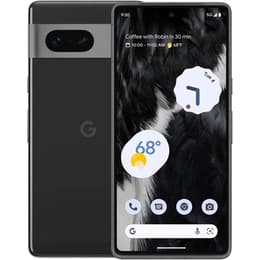
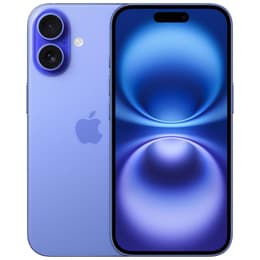
The Google Pixel 7, released in October 2022, and the Apple iPhone 16, launched in September 2024, represent distinct approaches to the modern smartphone experience. While both devices offer robust performance and advanced camera capabilities, they differ significantly in their operating systems, hardware philosophies, and overall user ecosystems. This comparison will explore the practical distinctions between these two devices, helping users understand which might better suit their daily needs.
Color
Storage
When considering the longevity of a smartphone, factors like release timeline, software support, and physical durability play a crucial role. The iPhone 16, being a newer device, naturally benefits from a longer expected support window compared to the Pixel 7.
Release Year
Last OS Compatibility
Foldable
The performance of a smartphone is determined by its internal components, influencing how smoothly apps run, how quickly tasks are completed, and how efficiently power is managed. Both the Pixel 7 and iPhone 16 offer capable performance for everyday use, but their underlying architectures differ.
The display is a primary interface for any smartphone, and both the Pixel 7 and iPhone 16 offer high-quality viewing experiences, though with some key differences in their specifications.
Resolution
Screen type
Both the Google Pixel 7 and iPhone 16 are equipped with advanced camera systems, leveraging computational photography to deliver impressive results, though they approach imaging with different strengths.
Main camera
Front camera
Beyond core performance and camera capabilities, several practical elements contribute to the overall user experience of a smartphone.
Weight
Screen size (inches)
Network
SIM card
Carrier compatibility
The Google Pixel 7 and iPhone 16 cater to different user preferences, largely defined by their operating systems and release timelines. Users often praise the Pixel 7 for its exceptional camera quality, particularly its computational photography features like Magic Eraser and Photo Unblur, which are highly valued for enhancing images. Its clean Android experience and useful AI-driven software features also receive positive mentions. However, some users have noted concerns regarding the reliability of the under-display fingerprint scanner and, in some cases, inconsistent battery life.
The iPhone 16, being a more recent release, is frequently lauded for its robust performance, improved battery life over previous generations, and the seamless integration of Apple's ecosystem, including new features like 3D Spatial Capture and Apple Intelligence. Its consistent software updates and strong privacy features are also common points of praise. While specific criticisms are less prevalent due to its newer status, some users might find the 60Hz display refresh rate less fluid compared to higher refresh rate Android devices.
Users prioritizing an advanced camera with unique AI editing capabilities and a pure Android experience may find the Google Pixel 7 well-suited to their needs. Those who value a longer software support window, a powerful and efficient processor, and deep integration within the Apple ecosystem, along with innovative features like spatial photography, will likely lean towards the iPhone 16. Both devices offer compelling experiences, and for those looking for a quality-assured refurbished option, both models are available, providing an eco-friendly alternative to new purchases.