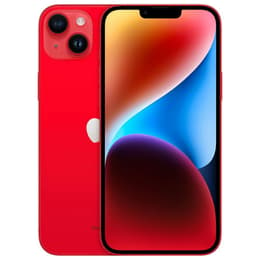
Google Pixel 7a • Unlocked vs iPhone 14 Plus • Unlocked

Google Pixel 7a • Unlocked
Starting at

Refurbished price:$163.00

Versus $899.99 new

See options
iPhone 14 Plus • Unlocked
Starting at

Refurbished price:$289.00

Versus $729.00 new

See options

Ratings

The Google Pixel 7a, released in May 2023, and the iPhone 14 Plus, launched in October 2022, are distinct smartphones offering different user experiences. The Pixel 7a operates on Google's Android platform, emphasizing AI-driven features and computational photography. In contrast, the iPhone 14 Plus runs on Apple's iOS, known for its integrated ecosystem and robust performance. A key differentiator lies in their display sizes and underlying operating systems, catering to varied preferences for screen real estate and software environments.

Scores

Durability

The longevity and resilience of a smartphone are key considerations for many users, and these two devices offer different profiles in this regard.

  • Release Timeline and Software Support: The iPhone 14 Plus, released in October 2022, typically receives 5-6 years of major iOS updates, extending its software lifespan. The Pixel 7a, launched in May 2023, is guaranteed OS updates until at least May 2026 and security updates until May 2028, offering a solid support window.
  • Physical Durability: The iPhone 14 Plus features a Ceramic Shield front cover and an IP68 rating for dust and water resistance, indicating strong protection. The Pixel 7a uses Corning Gorilla Glass 3 for its front display and carries an IP67 rating, providing good resistance against dust and water immersion.
  • Repairability: The Pixel 7a has received a repairability score of 5/10 from iFixit, later updated to 8.25/10 by other sources, indicating a relatively accessible design for component replacement. The iPhone 14 Plus also features design improvements aimed at easier repair compared to previous iPhone models.

Release Year

2023

2022

Last OS Compatibility

Yes

Yes

OS

Android

iOS

Foldable

No

No

Performance

Both devices are equipped with capable internal components designed to handle daily tasks and more demanding applications, though their approaches to performance differ.

  • Processor Capabilities: The iPhone 14 Plus is powered by a robust processor that ensures smooth operation across applications, efficient multitasking, and responsive gaming experiences. The Pixel 7a features a current-generation processor designed by Google, which excels in AI-driven tasks and provides a fluid user experience for everyday use and moderate gaming.
  • Memory and Storage: The Pixel 7a comes with 8GB of RAM, contributing to efficient multitasking and app management. The iPhone 14 Plus is equipped with 6GB of RAM, which, combined with iOS optimization, also delivers a seamless user experience. Both offer 128GB base storage, with the iPhone 14 Plus also available in 256GB and 512GB configurations.
  • Battery Behavior: The iPhone 14 Plus is noted for its extended battery life, often lasting through a full day of heavy use. The Pixel 7a offers decent battery life for typical daily usage, though some heavy users report more frequent charging.

Memory (GB)

8 GB

6 GB

Screen quality

The visual experience on a smartphone is largely defined by its display, and these two models present distinct characteristics.

  • Display Technology and Clarity: The Pixel 7a features a 6.1-inch OLED display, offering vibrant colors and deep blacks with a 2400 x 1080 pixel resolution for sharp visuals. The iPhone 14 Plus boasts a larger 6.7-inch Super Retina XDR OLED display, providing excellent contrast and color accuracy with a 2778 x 1284 pixel resolution, delivering an immersive viewing experience.
  • Refresh Rate and Smoothness: The Pixel 7a offers a 90Hz refresh rate, which provides a noticeably smoother scrolling experience and more fluid animations. The iPhone 14 Plus maintains a 60Hz refresh rate, which is standard but may feel less fluid to users accustomed to higher refresh rate screens.
  • Brightness and Outdoor Visibility: The iPhone 14 Plus features a typical brightness of 800 nits and a peak brightness of 1200 nits for HDR content, ensuring good visibility in bright outdoor conditions. The Pixel 7a also provides sufficient brightness for outdoor use.

Resolution

1080 x 2400

1284 x 2778

Screen type

OLED

Super Retina XDR OLED

Audiovisual

Camera capabilities and audio performance are significant factors for many smartphone users, and these devices offer different strengths.

  • Camera System Capabilities: The Pixel 7a features a dual-camera system with a 64MP main sensor and a 13MP ultrawide lens, known for its computational photography that enhances detail and color. The iPhone 14 Plus also has a dual-camera system, comprising a 12MP main camera with a larger aperture and a 12MP ultrawide lens, excelling in capturing natural-looking photos and videos.
  • Photography Performance: The Pixel 7a is often praised for producing detailed and well-exposed photos, particularly with Night Sight. However, some users have reported issues with focus speed and color accuracy in certain low-light scenarios. The iPhone 14 Plus delivers consistent image quality, with strong performance in everyday photography and improved low-light capabilities, though some users have noted over-processing.
  • Video Recording and Audio: Both phones record 4K video at 60 frames per second. The iPhone 14 Plus includes Cinematic mode and Action mode for enhanced video creativity and stabilization. Both devices provide stereo speakers and good microphone quality.

Main camera

64 megapixels

12 megapixels

Front camera

13 megapixels

12 megapixels

Miscellaneous

Beyond core features, practical elements like connectivity, ports, and physical design contribute to the overall user experience.

  • Connectivity Options: Both the Pixel 7a and iPhone 14 Plus support 5G connectivity. The Pixel 7a includes Wi-Fi 6E, while the iPhone 14 Plus supports Wi-Fi 6. Both also feature Bluetooth 5.3.
  • Port Types and Biometrics: The Pixel 7a utilizes a USB-C 3.2 port and offers both an under-display fingerprint sensor and face unlock for security. The iPhone 14 Plus features Apple's proprietary Lightning port and relies solely on Face ID for biometric authentication.
  • Design and Handling: The Pixel 7a is slightly more compact and lighter at 193.5g, potentially easier for one-handed use. The iPhone 14 Plus, with its larger 6.7-inch display, is heavier at 203g and has a larger footprint, beneficial for media consumption but sometimes requiring two hands.

Weight

7 oz

7 oz

Screen size (inches)

6.1

6.7

Network

5G

5G

SIM card

Physical SIM + eSIM

eSIM

Carrier compatibility

Unlocked

Unlocked

When considering the Google Pixel 7a and the iPhone 14 Plus, user feedback highlights distinct strengths and areas for consideration for each device.

Users often praise the Pixel 7a for its camera's computational photography, delivering impressive photos, especially with Night Sight. Its clean Android experience and timely software updates are also positive aspects. However, some users have expressed concerns regarding its battery life under heavy usage and occasional reports of the device running warm.

The iPhone 14 Plus is widely lauded for its exceptional battery life, often lasting well over a day, and its large, vibrant display. Consistent performance and the robust iOS ecosystem are strong points. Conversely, some users note the 60Hz refresh rate feels less fluid compared to higher refresh rate screens. Observations about the camera's image processing, with some finding it can lead to over-sharpened or overly contrasted images, have also been made.

Users prioritizing a compact device with AI-enhanced photography and a pure Android experience may find the Pixel 7a well-suited. Those who value a larger display, extended battery endurance, and the integrated Apple ecosystem will likely lean towards the iPhone 14 Plus. Both offer compelling features, and choosing depends on individual preferences for operating system, screen size, and specific feature priorities. Both models are available as quality-assured refurbished options for a more sustainable choice.


See all articles

Our recent comparisons