
Compare models
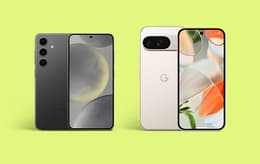
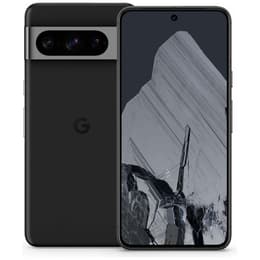
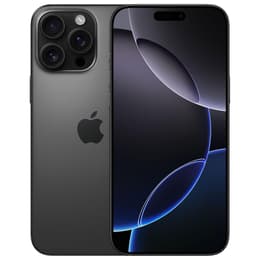
Google Pixel 8 Pro • Unlocked vs iPhone 16 Pro Max • Unlocked
- 1-year warranty
- Free standard shipping
- Free 30-day returns
Differences at a glance
The Google Pixel 8 Pro, released in October 2023, and the iPhone 16 Pro Max, launched in September 2024, represent flagship offerings from their respective manufacturers. While both devices provide premium smartphone experiences, they differ significantly in their operating systems and their approach to features like computational photography and software longevity. The Pixel 8 Pro runs on Android, emphasizing AI-driven functionalities, whereas the iPhone 16 Pro Max operates on iOS, focusing on a refined ecosystem and robust performance.
Available Models
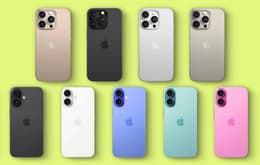
Color
Storage (GB)
Scores
Durability
When considering the practical lifespan of these devices, both offer substantial software support and durable designs, though with different approaches to longevity.
- Software Support: The Google Pixel 8 Pro stands out with a commitment to seven years of OS, security, and Feature Drops, extending support until October 2030. This is an extensive period for an Android device. [3, 11, 14, 16, 18, 27] The iPhone 16 Pro Max, while not having a publicly stated fixed period, typically receives 5-7 years of major iOS updates, with security patches often continuing for several years beyond that. [2, 13, 26]
- Build Quality: The Pixel 8 Pro features Corning Gorilla Glass Victus 2 on the front and Gorilla Glass Victus on the back, alongside an IP68 rating for dust and water resistance. [5, 6] The iPhone 16 Pro Max incorporates a titanium frame and Ceramic Shield front cover, also boasting an IP68 rating, contributing to its overall resilience. [7, 8, 10, 12]
- Expected Lifespan: Users can anticipate a long practical lifespan from both devices, with the Pixel 8 Pro's extended software commitment providing a clear advantage for those prioritizing the latest Android features and security updates for the longest possible duration.
Release Year
2023
2024
Last OS Compatibility
Yes
Yes
Foldable
No
No
Performance
Both smartphones deliver high-level performance suitable for demanding applications and multitasking, though they achieve this through different hardware and software optimizations.
- Processing Power: The Google Pixel 8 Pro is powered by its custom-designed processor, which efficiently handles everyday tasks, complex applications, and gaming. Users generally report smooth operation and responsiveness across the Android interface. [1, 4, 19, 20] The iPhone 16 Pro Max features an advanced processor designed for high performance, ensuring seamless multitasking, rapid app launches, and fluid graphics for intensive gaming and professional applications. [7, 8, 10, 30]
- Multitasking and Storage: The Pixel 8 Pro typically comes with 12GB of RAM, facilitating efficient multitasking and keeping multiple applications active in the background. [4, 5, 6] Storage options for the Pixel 8 Pro range from 128GB to 1TB. [1, 4, 6] The iPhone 16 Pro Max is generally equipped with 8GB of RAM, which, combined with iOS's memory management, provides a highly responsive user experience. [10] Storage configurations for the iPhone 16 Pro Max are available up to 2TB. [10]
- System Responsiveness: Both devices offer excellent system responsiveness, with applications loading quickly and transitions feeling fluid. The choice between them in terms of raw speed often comes down to preference for their respective operating system environments.
Screen quality
The display quality on both the Pixel 8 Pro and the iPhone 16 Pro Max offers vibrant visuals and excellent clarity, catering to immersive viewing experiences.
- Display Technology and Clarity: The Google Pixel 8 Pro features a 6.7-inch LTPO AMOLED display with a resolution of 2992 x 1344 pixels, providing sharp images and deep blacks. [1, 5, 6, 9] The iPhone 16 Pro Max boasts a slightly larger 6.9-inch Super Retina XDR OLED display with a resolution of 2868 x 1320 pixels, also delivering exceptional clarity and color accuracy. [8, 10, 21, 30]
- Brightness and Refresh Rate: The Pixel 8 Pro's display can reach a peak brightness of 2400 nits, ensuring good visibility even in bright outdoor conditions. It also offers a variable refresh rate from 1Hz to 120Hz for smooth scrolling and power efficiency. [5, 6, 9] The iPhone 16 Pro Max provides a typical brightness of 1000 nits and a peak brightness of 2000 nits, with a dynamic refresh rate of up to 120Hz, contributing to a smooth visual experience. [30]
- Viewing Experience: Both screens are well-suited for media consumption, web browsing, and productivity, offering expansive and detailed visuals. The slightly larger screen of the iPhone 16 Pro Max may appeal to users who prioritize maximum screen real estate.
Resolution
1344 x 2992
1320 x 2868
Screen type
LTPO OLED
LTPO Super Retina XDR OLED
Audiovisual
Both smartphones are equipped with advanced camera systems, each excelling in different aspects of photography and videography, making them strong contenders for users who prioritize imaging capabilities.
- Camera System Capabilities: The Google Pixel 8 Pro features a versatile triple-camera setup, including a 50 MP main sensor, a 48 MP ultrawide lens, and a 48 MP telephoto lens with 5x optical zoom. [1, 5, 6, 9, 27] The iPhone 16 Pro Max also offers a sophisticated camera array, with an upgraded 48 MP ultrawide camera and a telephoto lens that provides 5x optical zoom, now standard across its Pro models. [7, 8, 10, 30]
- Photography Performance: The Pixel 8 Pro is known for its computational photography, delivering consistent and detailed images in various lighting conditions, with strong low-light performance and AI-powered editing features. [19, 20, 25, 27] The iPhone 16 Pro Max is expected to offer improved low-light photography and enhanced detail capture, building on Apple's reputation for natural color reproduction and reliable image quality. [7, 8, 10]
- Video and Audio: Both devices are capable of high-quality video recording, with excellent stabilization and a range of features. User reviews for the Pixel 8 Pro indicate good microphone quality and loud stereo speakers, though some note the audio depth is not as pronounced as some competitors. [19] The iPhone 16 Pro Max is anticipated to continue Apple's strong performance in video capture and audio output.
Main camera
50 megapixels
48 megapixels
Front camera
10.5 megapixels
12 megapixels
Miscellaneous
Beyond their core features, both the Google Pixel 8 Pro and the iPhone 16 Pro Max offer a range of practical elements that influence daily usability and user interaction.
- Connectivity and Ports: Both devices support 5G connectivity and Wi-Fi 7, ensuring fast wireless speeds. [1, 6, 9, 7, 21, 30] The Pixel 8 Pro uses a USB-C 3.2 port for charging and data transfer. [1, 9] The iPhone 16 Pro Max also features a USB-C port, offering broad compatibility. [12]
- Biometric Security and Sensors: The Pixel 8 Pro includes an in-display fingerprint sensor and facial recognition for secure unlocking. [6, 20] It also uniquely features a temperature sensor. [19] The iPhone 16 Pro Max relies on Face ID for secure authentication. [12]
- Design and Handling: The Pixel 8 Pro measures 162.6 x 76.5 x 8.8 mm and weighs 213 grams, featuring a refined design with a matte glass back. [1, 9, 20, 25] The iPhone 16 Pro Max measures 163.0 × 77.6 × 8.25 mm and weighs 227 grams, with a titanium frame contributing to its feel. [30] Both devices offer a comfortable in-hand feel despite their large screen sizes.
Weight
7 oz
7990 oz
Screen size (inches)
6.7
6.9
Network
5G
5G
SIM card
Physical SIM + eSIM
eSIM
Carrier compatibility
Unlocked
Unlocked
Connector
USB-C
USB-C (USB 3)
What the community thinks
The Google Pixel 8 Pro and the iPhone 16 Pro Max cater to users with distinct priorities, offering compelling features within their respective ecosystems. Users frequently praise the Pixel 8 Pro for its exceptional camera capabilities, particularly its AI-driven photo editing tools and consistent image quality. [19, 20, 25, 27] Its commitment to seven years of software updates is also a significant advantage, ensuring long-term relevance and security. [3, 11, 14, 16, 18, 27] Some users note that while battery life is good for average use, heavy usage can deplete it more quickly than some competitors. [19, 25]
The iPhone 16 Pro Max, building on its predecessors, is often lauded for its robust performance, seamless integration within the Apple ecosystem, and strong battery endurance. [12, 15, 17, 24, 28] Its display is consistently praised for its brightness and clarity, and the camera system delivers reliable, high-quality results across various scenarios. [12, 15, 17, 24] User feedback on previous Pro Max models suggests that while overall performance is excellent, some users observe battery health degradation over time. [12, 15, 24]
Users prioritizing an extensive software update policy, advanced computational photography, and a pure Android experience will find the Google Pixel 8 Pro well-suited to their needs. Conversely, those who value a slightly larger display, a highly integrated ecosystem, and a strong track record of consistent performance may lean towards the iPhone 16 Pro Max. Both devices represent quality choices, and considering a quality-assured refurbished option for either model can be an eco-friendly alternative for making an informed decision.