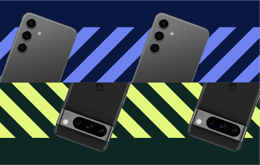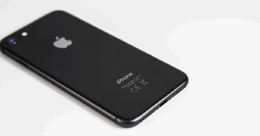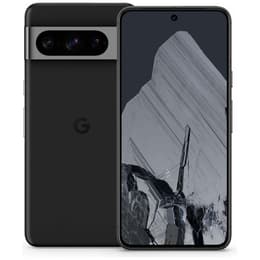
Google Pixel 8 Pro • Unlocked vs iPhone SE (2020) • Unlocked

Google Pixel 8 Pro • Unlocked
Starting at

Refurbished price:$296.00

Versus $899.99 new

See options
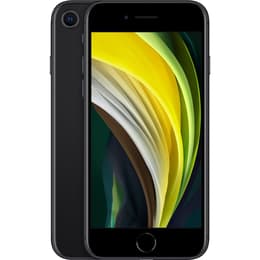
iPhone SE (2020) • Unlocked
Starting at

Refurbished price:$107.00

Versus $399.00 new

See options

Ratings

The Google Pixel 8 Pro, released in October 2023, and the iPhone SE 2020, launched in April 2020, represent distinct approaches to smartphone design and functionality. While the Pixel 8 Pro offers a modern, feature-rich Android experience with advanced camera capabilities, the iPhone SE 2020 provides a compact, classic iOS experience. The primary differentiators lie in their operating systems, display technology, and overall hardware generations.

Scores

Durability

The longevity of a smartphone is influenced by its release timeline, software support, and physical durability.

  • Release Timeline: The Google Pixel 8 Pro, released in October 2023, is a much newer device compared to the iPhone SE 2020, which launched in April 2020. This age difference significantly impacts their expected lifespan and software support.
  • OS Support Duration: Google has committed to an extensive seven years of OS updates and security updates for the Pixel 8 Pro, exceeding typical Android support timelines. The iPhone SE 2020, while still receiving updates, is nearing the end of its expected software support cycle, having been released with iOS 13.4 and receiving updates up to iOS 26.
  • Physical Durability: The Pixel 8 Pro features Corning Gorilla Glass Victus 2 on its display and a polished aluminum frame, contributing to its robust build. The iPhone SE 2020 has a glass front and back with an aluminum frame and an IP67 rating for dust and water resistance. The Pixel 8 Pro has an IP68 rating.

Release Year

2023

2020

Last OS Compatibility

Yes

Yes

OS

Android

iOS

Foldable

No

No

Performance

Performance is a key aspect, influencing how smoothly applications run and how efficiently the device handles daily tasks.

  • Processor Capabilities: The Pixel 8 Pro is equipped with a current-generation processor designed for efficient performance and advanced AI capabilities, ensuring smooth operation for demanding applications and multitasking. The iPhone SE 2020 features an older, though still capable, processor that handles everyday tasks and many applications effectively.
  • System Responsiveness: Users of the Pixel 8 Pro generally experience highly responsive navigation and quick app loading times, benefiting from its advanced hardware and optimized software. The iPhone SE 2020 offers a fluid user experience for its age, though it may show limitations with the most graphically intensive games or numerous applications running simultaneously.
  • Storage and RAM: The Pixel 8 Pro comes with 12GB of RAM and offers storage options up to 1TB, providing ample space and memory for extensive multitasking and large files. The iPhone SE 2020 has 3GB of RAM and storage options up to 256GB, which is suitable for moderate usage but can be limiting for users with large media libraries or many demanding applications.

Memory (GB)

12 GB

3 GB

Screen quality

The display significantly impacts the visual experience, from everyday browsing to media consumption.

  • Display Technology and Size: The Google Pixel 8 Pro features a large 6.7-inch LTPO OLED display, offering deep blacks, vibrant colors, and excellent contrast. The iPhone SE 2020 has a smaller 4.7-inch IPS LCD display, which provides good color accuracy and brightness for its class.
  • Resolution and Clarity: The Pixel 8 Pro's display boasts a high resolution of 1344 x 2992 pixels, resulting in sharp images and text. The iPhone SE 2020 has a resolution of 750 x 1334 pixels, which is clear for its size but less dense than the Pixel 8 Pro.
  • Refresh Rate and Brightness: The Pixel 8 Pro offers a dynamic refresh rate up to 120Hz, contributing to smoother scrolling and more fluid animations, along with a peak brightness of up to 2400 nits for excellent outdoor visibility. The iPhone SE 2020 has a standard 60Hz refresh rate and a typical maximum brightness of 625 nits.

Resolution

1344 x 2992

750 x 1334

Screen type

LTPO OLED

Retina IPS LCD

Audiovisual

Camera capabilities are a major consideration for many users, impacting the quality of photos and videos captured.

  • Camera System: The Google Pixel 8 Pro features a versatile triple-camera system on the rear, including a 50MP main sensor, a 48MP ultrawide lens, and a 48MP telephoto lens with 5x optical zoom, alongside a 10.5MP front camera. The iPhone SE 2020 has a single 12MP wide rear camera and a 7MP front camera.
  • Photography Performance: The Pixel 8 Pro excels in computational photography, offering advanced features for various lighting conditions, including enhanced low-light performance and detailed zoom capabilities. The iPhone SE 2020 provides reliable photo quality in good lighting, with its single lens capable of capturing clear and color-accurate images.
  • Video Recording: The Pixel 8 Pro supports 4K video recording at up to 60 frames per second, with advanced stabilization and audio features. The iPhone SE 2020 also records 4K video at up to 60 frames per second, offering good quality for its hardware.

Main camera

50 megapixels

12 megapixels

Front camera

10.5 megapixels

7 megapixels

Miscellaneous

Beyond core features, several practical elements contribute to the overall user experience and device utility.

  • Connectivity and Ports: The Pixel 8 Pro supports 5G connectivity, Wi-Fi 7, and Bluetooth 5.3, utilizing a USB-C port for charging and data transfer. The iPhone SE 2020 supports 4G LTE, Wi-Fi 6, and Bluetooth 5.0, featuring Apple's proprietary Lightning port.
  • Biometric Security: The Pixel 8 Pro includes an under-display optical fingerprint sensor and secure facial recognition. The iPhone SE 2020 relies on a physical home button with Touch ID for fingerprint authentication.
  • Physical Design: The Pixel 8 Pro has a larger form factor with a modern, edge-to-edge display design. The iPhone SE 2020 maintains a compact design with a physical home button and noticeable bezels, reminiscent of older iPhone models.

Weight

7 oz

5 oz

Screen size (inches)

6.7

4.7

Network

5G

LTE

SIM card

Physical SIM + eSIM

Physical SIM + eSIM

Carrier compatibility

Unlocked

Unlocked

Connector

USB-C

Lightning

The Google Pixel 8 Pro and iPhone SE 2020 cater to different user preferences due to their significant generational and ecosystem differences. Users often praise the Pixel 8 Pro for its advanced camera system, long-term software support, and vibrant, high-refresh-rate display. Common feedback highlights its strong performance for demanding tasks and its integration of AI features. Some users note its larger size as a factor to consider.

The iPhone SE 2020 is frequently appreciated for its compact size, familiar design with a physical home button, and the consistent iOS experience. Its performance, while not cutting-edge, is generally considered sufficient for everyday use. However, its battery life is often cited as a limitation for heavy users, and its display technology is less advanced compared to newer devices.

Users prioritizing a modern, large-screen experience with top-tier camera capabilities, extensive software longevity, and the latest Android features will find the Google Pixel 8 Pro well-suited to their needs. Conversely, those who prefer a smaller, more traditional smartphone form factor, a familiar iOS environment, and reliable performance for essential tasks may lean towards the iPhone SE 2020. Both devices, especially as quality-assured refurbished options, offer a sustainable choice for consumers looking to make an informed purchasing decision.

See all articles

Our recent comparisons