
Google Pixel
Compare models
Differences at a glance
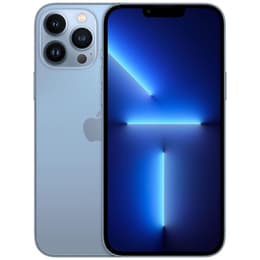
The Google Pixel 8 (2023) and the iPhone 13 Pro Max (2021) are both high-end smartphones, yet they cater to different user preferences with distinct operating systems and design philosophies. While the Pixel 8 emphasizes advanced computational photography and a streamlined Android experience, the iPhone 13 Pro Max focuses on robust performance, a premium build, and extended battery life. This comparison will delve into their practical differences to help users make an informed decision.
Color
Storage
When considering the longevity of a smartphone, factors such as software support, physical durability, and ease of repair play a significant role.
Release Year
Last OS Compatibility
OS
Foldable
The performance of a smartphone is crucial for daily tasks, from casual browsing to demanding applications and gaming. Both devices offer capable hardware, but their approaches to processing power differ.
The display is a primary interface for smartphone interaction, and both models offer high-quality viewing experiences with distinct characteristics.
Resolution
Screen type
Both the Google Pixel 8 and iPhone 13 Pro Max are highly regarded for their camera capabilities, each excelling in different aspects of photography and videography.
Main camera
Front camera
Beyond core features, several practical elements contribute to the overall user experience and daily usability of these smartphones.
Weight
Screen size (inches)
Network
SIM card
Carrier compatibility
Connector
The Google Pixel 8 and iPhone 13 Pro Max offer distinct strengths, appealing to different user priorities. Users frequently praise the Pixel 8 for its innovative AI-powered camera features, such as Best Take and Audio Magic Eraser, which simplify complex photo and video editing. Its commitment to seven years of software updates is also a significant advantage for those seeking long-term device support. However, some users note that its overall performance, while smooth, may not match the raw power of its competitor, and its battery life, though improved, might not be considered class-leading for heavy users.
Conversely, the iPhone 13 Pro Max is consistently lauded for its exceptional battery life, often lasting well over a day, and its powerful performance, which handles demanding tasks with ease. Its camera system is highly regarded for consistent image quality, especially in video recording and low-light photography. Criticisms often revolve around its larger size and weight, the continued use of the Lightning port, and slower charging speeds compared to some Android devices.
Users prioritizing cutting-edge computational photography, a pure Android experience, and extended software longevity may find the Google Pixel 8 well-suited to their needs. Those who value industry-leading performance, superior battery endurance, a larger display for media, and a robust video recording suite may lean towards the iPhone 13 Pro Max. Both devices represent excellent choices, and considering a quality-assured refurbished option can be a sustainable way to acquire either of these capable smartphones.