
Google Pixel 8a • Unlocked vs iPhone 16 Pro Max • Unlocked

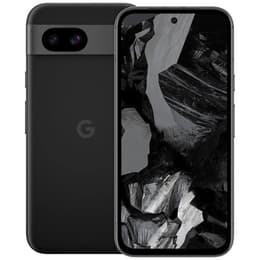
Google Pixel 8a • Unlocked
Starting at

Refurbished price:$229.00

Versus $899.99 new

See options
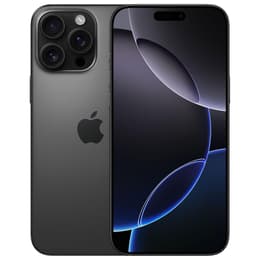
iPhone 16 Pro Max • Unlocked
Starting at

Refurbished price:$759.00

Versus $1,199.00 new

See options

Ratings

The Google Pixel 8a, released in May 2024, and the iPhone 16 Pro Max, launched in September 2024, represent distinct offerings in the smartphone market. While the Pixel 8a focuses on delivering a strong Google Android experience with advanced computational photography, the iPhone 16 Pro Max provides a premium iOS ecosystem with a powerful processor and a versatile camera system. These devices cater to different user preferences, primarily differing in their operating systems and overall hardware capabilities.

Scores

Durability

When considering the long-term usability of a smartphone, software support and physical resilience are key factors. Both devices offer substantial longevity, though with different approaches to updates and build materials.

  • Software Longevity: The Google Pixel 8a is notable for its commitment to seven years of OS and security updates, extending its software support until May 2031. This ensures a prolonged period of new features and security patches. The iPhone 16 Pro Max typically receives major iOS updates for five to six years, with some sources predicting support until 2031, followed by additional years of hardware service availability.
  • Physical Durability: The iPhone 16 Pro Max features a titanium frame and Ceramic Shield glass, contributing to its robust construction and IP68 dust and water resistance, allowing submersion up to 6 meters for 30 minutes. The Pixel 8a utilizes Gorilla Glass 3 for screen protection and has an IP67 rating, offering protection against dust and immersion in up to 1 meter of water for 30 minutes.
  • Practical Lifespan: Users can expect both devices to remain functional and receive critical updates for many years. The Pixel 8a's extended software commitment provides a clear roadmap for its usability, while the iPhone 16 Pro Max's premium build and consistent software updates also ensure a long practical lifespan.

Release Year

2024

2024

Last OS Compatibility

Yes

Yes

Foldable

No

No

Performance

The performance of these two smartphones varies significantly, reflecting their different design philosophies and target user experiences. Both are capable devices, but they excel in different areas of responsiveness and power management.

  • Processing Power: The iPhone 16 Pro Max is equipped with a current-generation Apple processor, delivering exceptional speed and efficiency for demanding applications, intensive gaming, and complex multitasking. The Google Pixel 8a features a Google Tensor processor, which provides smooth performance for everyday tasks, app loading, and Google's AI-driven features.
  • Multitasking and Storage: Both devices come with 8GB of RAM, enabling efficient multitasking and app switching. The iPhone 16 Pro Max offers storage options up to 1TB, utilizing fast NVMe storage, while the Pixel 8a is available with up to 256GB of UFS 3.1 storage.
  • Battery Behavior: The iPhone 16 Pro Max is recognized for its exceptional battery longevity, often lasting over 25 hours in various usage tests, making it suitable for extended periods away from a charger. The Pixel 8a generally provides a full day of use for most users, though some reports indicate potential heating and faster battery drain during heavy, sustained workloads.

Memory (GB)

8 GB

8 GB

Screen quality

The visual experience on these devices is a key differentiator, with both offering vibrant displays tailored to their respective ecosystems, but with distinct characteristics in size, technology, and brightness.

  • Display Technology and Size: The iPhone 16 Pro Max features a larger 6.9-inch LTPO Super Retina XDR OLED display, providing expansive viewing for media consumption and productivity. The Google Pixel 8a has a more compact 6.1-inch OLED display, which is comfortable for one-handed use.
  • Resolution and Clarity: Both phones offer high-resolution displays, with the iPhone 16 Pro Max featuring 1320 x 2868 pixels and the Pixel 8a offering 1080 x 2400 pixels. This results in sharp text and clear images on both devices.
  • Brightness and Smoothness: The iPhone 16 Pro Max's display supports a 120Hz refresh rate and can reach a peak brightness of 2000 nits, ensuring smooth scrolling and excellent visibility in bright outdoor conditions. The Pixel 8a also features a 120Hz refresh rate and a peak brightness of 2000 nits, offering a fluid visual experience and good outdoor readability.

Resolution

1080 x 2400

1320 x 2868

Screen type

OLED

LTPO Super Retina XDR OLED

Audiovisual

Both the Google Pixel 8a and the iPhone 16 Pro Max offer advanced camera capabilities, but they approach photography with different hardware configurations and software philosophies, leading to distinct results.

  • Rear Camera Systems: The iPhone 16 Pro Max boasts a versatile triple-camera setup, including a 48MP wide, a 48MP ultrawide with autofocus, and a 12MP telephoto lens with 5x optical zoom, providing a broad range of photographic options. The Pixel 8a features a dual-camera system with a 64MP wide lens and a 13MP ultrawide lens, relying heavily on Google's computational photography for image enhancement.
  • Photography Performance: The iPhone 16 Pro Max excels in capturing detailed images across various focal lengths, with AI-powered features like Deep Fusion and Photonic Engine enhancing color and detail, even in challenging lighting. The Pixel 8a is praised for its reliable point-and-shoot capabilities, producing true-to-life colors and offering AI editing tools such as Magic Eraser and Photo Unblur.
  • Video Recording and Front Camera: The iPhone 16 Pro Max supports 4K Dolby Vision video recording at up to 120 frames per second, along with cinematic and spatial video features, and a 12MP TrueDepth front camera. The Pixel 8a records 4K video at up to 60 frames per second and includes a 13MP front camera, offering good quality for everyday video and selfies.

Main camera

64 megapixels

48 megapixels

Front camera

13 megapixels

12 megapixels

Miscellaneous

Beyond core performance and display, several practical elements contribute to the overall user experience of these smartphones, from connectivity to physical design.

  • Connectivity and Ports: Both devices support 5G connectivity for fast mobile data. The iPhone 16 Pro Max includes Wi-Fi 7 and Bluetooth 5.3, offering advanced wireless capabilities. The Pixel 8a supports 5G and modern Wi-Fi standards. Both phones feature a USB-C port for charging and data transfer.
  • Biometric Security and Features: The iPhone 16 Pro Max utilizes Face ID for secure facial recognition and includes a LiDAR scanner for enhanced augmented reality experiences and improved low-light focusing. It also features a customizable Action Button. The Pixel 8a offers both fingerprint and face unlock for convenient access.
  • Design and Handling: The iPhone 16 Pro Max, with its 6.9-inch display, is a larger and heavier device at 227g, offering a substantial feel. The Pixel 8a is more compact and lighter at 188g, making it easier for one-handed operation. The iPhone 16 Pro Max features a premium titanium frame, while the Pixel 8a has a plastic back.

Weight

7 oz

7990 oz

Screen size (inches)

6.1

6.9

Network

5G

5G

SIM card

Physical SIM + eSIM

eSIM

Carrier compatibility

Unlocked

Unlocked

Connector

USB-C

USB-C (USB 3)

User sentiment for the Google Pixel 8a often highlights its strong camera performance, particularly its computational photography features, and its long-term software support. Users appreciate its compact size and the clean Android experience. Some common criticisms include reports of the device heating up during intensive use and slower charging speeds compared to some competitors.

The iPhone 16 Pro Max receives praise for its exceptional battery life, powerful performance, and advanced camera system, especially its video capabilities. Users often commend its premium build quality and the seamless integration within the Apple ecosystem. Some users find its large size and weight to be a consideration.

Users prioritizing a compact device with a strong focus on computational photography and extended software updates within the Android ecosystem may find the Google Pixel 8a well-suited to their needs. Conversely, users who value a large, premium display, top-tier performance, a versatile camera system with advanced video features, and industry-leading battery life within the iOS ecosystem will likely lean towards the iPhone 16 Pro Max. Both devices offer compelling experiences, and choosing between them often comes down to individual preferences for operating system, size, and specific feature priorities. For those considering either device, exploring quality-assured refurbished options can provide an eco-friendly alternative.

See all articles

Our recent comparisons