Compare models
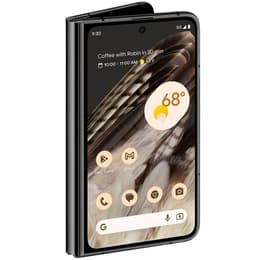
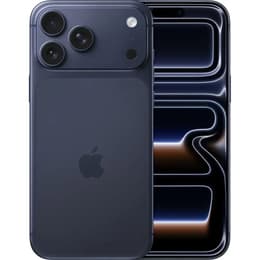
Google Pixel Fold • Unlocked vs iPhone 17 Pro Max • Unlocked
- 1-year warranty
- Free standard shipping
- Free 30-day returns
Differences at a glance
The Google Pixel Fold (2023) and the iPhone 17 Pro Max (2025) represent two distinct approaches to high-end mobile engineering: a book-style folding screen device running Android versus a conventional flagship slate smartphone running iOS. While both cater to users seeking expansive viewing areas and advanced capabilities, they differ fundamentally in form factor, operating system, and hardware philosophy.
Available Models
Color
Storage (GB)
Scores
Durability
When evaluating long-term durability and support, both models approach software updates and physical resilience differently based on their respective release years and manufacturing build.
- Software Longevity: The iPhone 17 Pro Max benefits from an extended software support window typical of recent Apple releases, whereas the Google Pixel Fold operates under a multi-year update schedule covering core system upgrades and security patches.
- Build Resilience: The iPhone 17 Pro Max features rigid unibody materials and durable glass protection, while the Google Pixel Fold utilizes a complex mechanical hinge and a flexible inner screen that requires careful handling during daily multi-year use.
- Practical Lifespan: Both devices offer robust everyday durability, though traditional slate handsets generally experience fewer mechanical wear points over extended ownership periods compared to folding form factors.
Release Year
2023
2025
Last OS Compatibility
Yes
Yes
OS
Android
iOS
Foldable
Yes
No
Performance
Daily speed and responsiveness vary across these devices due to differences in memory allocation, thermal management, and underlying system architectures.
- Multitasking and Memory: Both smartphones come equipped with ample random access memory, allowing seamless switching between demanding productivity applications and background tasks.
- Everyday Responsiveness: The iPhone 17 Pro Max handles resource-intensive mobile gaming and rapid app loading with high thermal efficiency, while the Google Pixel Fold manages split-screen multitasking smoothly across its dual displays despite relying on an earlier-generation processor architecture.
- Storage Configurations: Both models offer multiple high-capacity internal storage tiers, ensuring sufficient space for large media libraries, offline files, and extensive application data.
Screen quality
Display performance is a primary differentiator, contrasting a transforming dual-screen foldable layout with a large, continuous single-panel glass screen.
- Display Technology and Versatility: The Google Pixel Fold provides an outer display for standard interactions and unfolds into a tablet-sized inner organic light-emitting diode screen, whereas the iPhone 17 Pro Max utilizes a large, high-brightness single organic light-emitting diode panel with uniform viewing areas.
- Outdoor Visibility: The iPhone 17 Pro Max delivers exceptionally high peak brightness levels for clear legibility in direct sunlight, while the Pixel Fold's panels perform reliably under standard daylight conditions.
- Smoothness and Refresh Rate: Both devices support high refresh rates up to 120Hz, ensuring fluid scrolling, responsive touch tracking, and smooth animation rendering during daily navigation.
Resolution
1840 x 2208
2868x1320
Screen type
Foldable OLED
Super Retina XDR
Audiovisual
Optics and media capture capabilities differ across both models, balancing versatile multi-lens hardware configurations with distinct image processing pipelines.
- Camera Array Versatility: Both devices feature high-resolution main, ultra-wide, and telephoto lenses that capture detailed everyday photography and handle low-light environments effectively through advanced computational software.
- Video and Audio: The iPhone 17 Pro Max provides studio-grade video recording options and spatial audio capture, while the Google Pixel Fold supports crisp high-definition recording and flexible tabletop framing modes using its unique folding design.
- Media Consumption: Stereo speakers on both models deliver clear audio output for hands-free calls, video playback, and casual gaming sessions.
Main camera
48 megapixels
48 megapixels
Front camera
8 megapixels
18 megapixels
Miscellaneous
Practical daily usability elements such as connectivity standards, physical dimensions, and authentication methods shape how each device fits into routine workflows.
- Connectivity and Ports: Both smartphones support modern fifth-generation cellular networks and fast wireless standards, utilizing a universal USB-C port for wired charging and data transfers.
- Size and Handling: The iPhone 17 Pro Max maintains a traditional wide slate profile with substantial weight, whereas the Google Pixel Fold offers a relatively compact folded shape that transforms into a wider, squared tablet layout when opened.
- Security Sensors: The iPhone 17 Pro Max relies on advanced facial recognition technology, while the Google Pixel Fold incorporates a physical fingerprint sensor integrated into the power button alongside facial authentication.
Weight
7 oz
185 oz
Screen size (inches)
7.6
6.9
Network
5G
5G
SIM card
Physical SIM + eSIM
eSIM
Carrier compatibility
Unlocked
Unlocked
Connector
USB-C
USB-C
What the community thinks
User discussions and community feedback indicate that buyer satisfaction largely depends on personal preference for form factor and operating system ecosystems. Owners of the Google Pixel Fold frequently praise its multitasking versatility and the convenience of a compact outer screen that expands into a larger viewing area, though some users note concerns regarding the weight and the visibility of the crease on the inner display. Conversely, users of the iPhone 17 Pro Max often highlight its reliable battery longevity, exceptional display brightness, and streamlined integration within the iOS ecosystem, while noting the traditional slate layout lacks folding adaptability.
Users prioritizing multitasking flexibility and a transforming tablet-sized screen will find the Google Pixel Fold well-suited to their workflow, while users prioritizing maximum processing headroom, high outdoor screen brightness, and traditional software ecosystems may lean toward the iPhone 17 Pro Max. For shoppers seeking a quality-assured refurbished option, exploring eco-friendly alternatives on Back Market provides a sustainable way to acquire either device with verified performance checks.