Compare models
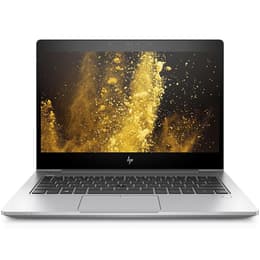
HP EliteBook 830 G6 13" vs HP Pro x360 Fortis G10 11"
- 1-year warranty
- Free standard shipping
- Free 30-day returns
Differences at a glance
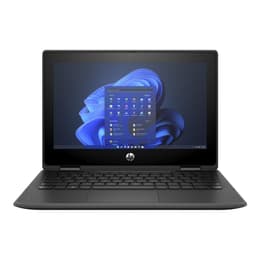
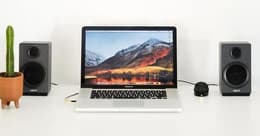
The HP EliteBook 830 G6 13" (2019) and the HP Pro x360 Fortis G10 11" (2022) represent two distinct categories of portable computing designed for different working styles and physical form factors. While the EliteBook series targets traditional mobile professionals needing a refined 13-inch clamshell layout, the Pro x360 Fortis series emphasizes a rugged convertible design with a smaller 11-inch touchscreen suited for versatile learning or field note-taking environments. Both machines run on modern desktop operating system environments, yet they approach physical usability through contrasting screen dimensions, hinge mechanisms, and chassis durability standards.
Available Models
Storage
Processor
Memory
Scores
Durability
When examining hardware longevity and physical resilience, both notebooks offer distinct long-term structural profiles shaped by their release years and intended usage environments.
- Release timeline and support: The HP EliteBook 830 G6 launched earlier, meaning its window for manufacturer firmware updates is closer to completion, whereas the newer HP Pro x360 Fortis G10 extends software and security patch compatibility further into the future.
- Build resilience and repairability: The Fortis model features reinforced rubberized edges and a spill-resistant keyboard tailored to high-wear scenarios, while the EliteBook employs a traditional aluminum chassis designed for standard office longevity and straightforward component servicing.
- Expected practical lifespan: Both units deliver reliable operational longevity for daily productivity tasks, though users prioritizing extended operating system support cycles will find the newer Fortis option well-aligned with long-term deployments.
Release Year
2019
2022
OS
Windows 11
Windows 11
Performance
In terms of daily application responsiveness and hardware execution, these two portables handle routine workloads through different configurations of processor generations and system memory architectures.
- Everyday task handling: Both devices load web browsers, text documents, and productivity suites smoothly, though the newer processor generation inside the Fortis handles background system tasks with slightly higher efficiency.
- Multitasking and storage: System memory configurations vary across specific builds, with both laptops supporting efficient switching between multiple open browser tabs, alongside fast solid-state storage options that ensure rapid system boot times.
- Battery behavior: The larger physical footprint of the 13-inch EliteBook accommodates a battery capacity capable of sustaining standard work sessions, while the more compact Fortis manages power consumption efficiently across its smaller screen space for standard mobile use.
Graphic card
Integrated Graphics
Integrated Graphics
Screen quality
Visual workspace presentation differs significantly between the two models, primarily driven by panel size, aspect ratio, and tactile touch input capabilities.
- Display technology and size: The EliteBook 830 G6 features a traditional 13-inch non-touch screen with sharp clarity for reading extensive documents, whereas the Pro x360 Fortis G10 utilizes a compact 11-inch touchscreen mounted on a 360-degree hinge for tablet and tent configurations.
- Brightness and outdoor use: Both displays offer adequate illumination levels for indoor office or classroom environments, though direct sunlight viewing requires seeking shaded areas on both standard matte and glossy touch panels.
- Viewing experience: Users who prefer a spacious, traditional desktop layout will lean toward the larger 13-inch canvas, while individuals seeking a flexible, interactive display for drawing or casual media viewing will find the convertible 11-inch panel practical.
Resolution
1920 x 1080
1366 x 768
Screen type
LCD
LCD
Audiovisual
Multimedia capabilities, including integrated webcams, microphone arrays, and audio output, reflect the communication-focused design choices of each portable device.
- Camera system capabilities: Both laptops feature standard high-definition webcams positioned above the display for routine video conferencing, supported by digital noise-reduction features for virtual meetings.
- Microphone and audio output: Integrated dual-array microphones isolate voice input effectively during calls, while the onboard stereo speakers provide adequate volume for speech clarity during online discussions rather than immersive media consumption.
- Media consumption experience: Audio delivery remains clear for podcasts and instructional videos on both machines, though users engaging in frequent media playback often benefit from external headphones or desktop speakers.
Miscellaneous
Physical dimensions, connectivity ports, and input peripherals dictate how easily each notebook integrates into mobile daily workflows.
- Port selection: The EliteBook includes a comprehensive array of traditional connections such as full-sized USB ports, HDMI, and a docking connector, while the Fortis focuses on modern USB-C interfaces and essential peripheral inputs.
- Portability and weight: The smaller 11-inch Fortis offers a lighter, highly compact footprint for cramped desks or travel bags, whereas the 13-inch EliteBook balances screen estate with a slim profile that remains easy to carry.
- Security and input: Both devices incorporate reliable keyboard layouts and built-in security features, with select EliteBook configurations adding smart card readers or fingerprint sensors for administrative environments. Choosing a quality-assured refurbished option provides a sustainable choice that extends the active life of these enterprise-grade machines.
Weight
87 oz
4 oz
Screen size
13
11
What the community thinks
User feedback from online communities highlights distinct operational preferences for each laptop. Owners of the HP EliteBook 830 G6 frequently praise its comfortable keyboard, sturdy metal chassis, and broad selection of legacy ports that minimize the need for external adapters. Conversely, users of the HP Pro x360 Fortis G10 note appreciation for its resilient rubberized exterior, flexible hinge design, and compact dimensions that fit easily into smaller bags or tight seating areas. Common discussions surrounding both models often revolve around battery condition over time, making a quality-assured refurbished option an appealing, eco-friendly alternative for buyers seeking certified hardware performance with verified battery health.
When deciding between the two devices, user priorities serve as the primary guide. Users prioritizing a traditional laptop layout with a larger screen workspace, extensive legacy connectivity, and a professional metal finish will find the HP EliteBook 830 G6 well-suited to their daily routine. Meanwhile, users prioritizing a compact footprint, physical damage resistance, touch input, and a versatile 360-degree hinge for interactive tasks will lean toward the HP Pro x360 Fortis G10. Evaluating individual workspace requirements and physical mobility needs ensures a well-aligned selection.