Compare models

HP EliteBook 840 G10 14" vs Lenovo ThinkPad X1 Carbon G11 14"

  • 1-year warranty
  • Free standard shipping
  • Free 30-day returns
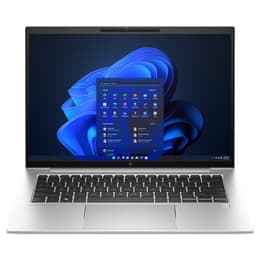
HP EliteBook 840 G10 14"
Starting at

Refurbished price:$1,343.00

Versus $1,299.00 new

See options
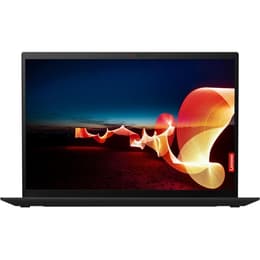
Lenovo ThinkPad X1 Carbon G11 14"
Starting at

Refurbished price:$852.00

Versus $2,417.00 new

See options

Differences at a glance

The HP EliteBook 840 G10 (2023) and the Lenovo ThinkPad X1 Carbon Gen 11 (2023) are both 14-inch business laptops running the Windows operating system. Both machines cater primarily to professionals and students seeking dependable performance, though they differ noticeably in their chassis construction and port layouts.

While both computers share similar processing generations and security features, understanding their practical differences in daily usability helps determine which option fits specific daily routines.

Available Models

Storage

Processor

Memory

Scores

Durability

Both laptops launched in 2023 and utilize modern operating systems with long-term security support timelines, ensuring reliable operation for years of heavy academic or professional use.

    Release timeline and support: Released in the same generation, both devices receive regular driver updates and feature enterprise-grade security modules to safeguard user data over their lifespan.
    Repairability and build durability: The HP model features a modular internal design with user-accessible memory slots, while the Lenovo model prioritizes an ultra-slim footprint with soldered components, influencing long-term upgrade flexibility.

Release Year

2023

2023

OS

Windows 11

Windows 11

Performance

The two laptops handle everyday multitasking, document editing, and web browsing smoothly, though their internal hardware layout yields different configuration flexibilities and battery behaviors.

    Storage and memory handling: Both devices offer fast solid-state storage options for rapid file loading, while the HP model allows for easier RAM expansion through standard slots compared to the soldered memory architecture found in the Lenovo device.
    Battery behavior and daily stamina: Each laptop manages power efficiently during standard office tasks, comfortably lasting through normal working hours, though intensive processing or high display brightness will require midday recharging for both models.

Graphic card

Integrated Graphics

Integrated Graphics

Screen quality

Both machines feature 14-inch display panels designed to reduce eye strain during extended reading and writing sessions, with several resolution and panel technology choices available.

    Clarity and panel types: Users can select from standard anti-glare screens or high-contrast configurations, providing sharp text rendering and wide viewing angles suitable for collaborative work environments.
    Outdoor visibility: Maximum brightness levels vary depending on the chosen configuration, with certain panels offering extra luminance to maintain readability under bright office lights or near windows.

Resolution

1920 x 1200

1920 x 1200

Screen type

IPS

IPS

Audiovisual

Designed heavily around remote collaboration, both laptops incorporate capable webcam setups and audio hardware for daily video calls and media consumption.

    Video conferencing: Integrated high-resolution webcams paired with software-assisted background noise reduction ensure clear video and audio transmission during online meetings.
    Audio output: Built-in multi-speaker arrays deliver clear voice clarity for conference calls alongside adequate volume levels for casual music playback and video streaming.

Miscellaneous

Connectivity and physical dimensions highlight distinct design philosophies between these two enterprise-focused portables.

    Port selection and connectivity: Both models include versatile USB-C connection ports alongside traditional USB connections, while the HP variant retains extra physical space for standard legacy ports without requiring external adapters.
    Dimensions and weight: The Lenovo model emphasizes an exceptionally lightweight carbon-fiber composite chassis for effortless travel, whereas the HP alternative utilizes a slightly heavier metal enclosure focused on structural rigidity.

Weight

49 oz

64 oz

Screen size

14

14

What the community thinks

User feedback for the HP EliteBook 840 G10 frequently highlights its comfortable typing experience, robust port selection, and flexible internal upgrade paths. At the same time, owners often note that it feels slightly heavier to carry around all day. Conversely, users praise the Lenovo ThinkPad X1 Carbon Gen 11 for its remarkably featherlight weight, iconic keyboard tactile feedback, and sleek profile, though some express minor frustrations regarding the lack of user-upgradable memory.

Users prioritizing maximum portability and minimal travel weight may prefer the Lenovo ThinkPad X1 Carbon Gen 11, while users prioritizing physical connectivity flexibility and easier component maintenance will lean toward the HP EliteBook 840 G10. Exploring a quality-assured refurbished option through Back Market can also provide access to these reliable professional laptops as a sustainable choice.
Our recent comparisons