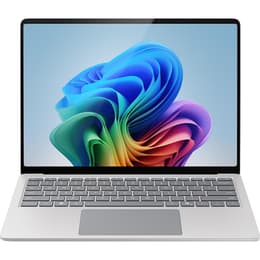

Compare models
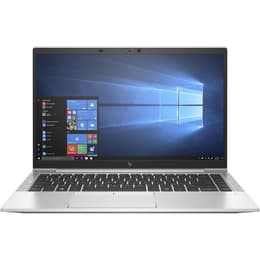
HP EliteBook 840 G7 14" vs Microsoft Surface Pro 9 13"
- 1-year warranty
- Free standard shipping
- Free 30-day returns
Differences at a glance
The HP EliteBook 840 G7 14" (2020) and the Microsoft Surface Pro 9 13" (2022) represent two distinct approaches to portable computing for professionals and students. While the EliteBook follows a traditional clamshell laptop design optimized for typing and lap use, the Surface Pro 9 offers a versatile 2-in-1 tablet form factor with a detachable keyboard. They operate on Windows, but their hardware configurations cater to different daily working styles.
Available Models
Storage (GB)
Processor
Memory (GB)
Scores
Durability
When evaluating long-term utility, both devices offer robust build quality, though their release years and hardware maintenance differ in practical ways.
- Release timeline and support: The Microsoft Surface Pro 9 benefits from a newer release year, aligning with extended software update lifecycles from Microsoft, whereas the HP EliteBook 840 G7 has been on the market longer but continues to receive standard operating system updates.
- Repairability and physical endurance: The EliteBook features a traditional service-friendly chassis allowing component access, while the Surface Pro 9 prioritizes a compact, sealed tablet build that requires specialized care for internal component servicing.
- Expected lifespan: Choosing a quality-assured refurbished option for either model extends device utility while supporting sustainable technology habits through electronic reuse.
Release Year
2020
2022
OS
Windows 11
Windows 11
Performance
Handling daily productivity tasks, heavy spreadsheets, and multitasking depends heavily on how each system manages processing power and energy consumption.
- Everyday multitasking: Both devices manage web browsing, document editing, and video conferencing smoothly, though configuration choices regarding storage capacity and memory dictate how many applications run simultaneously without slowdowns.
- Battery behavior: The EliteBook typically accommodates a full workday of mixed office tasks on a single charge, whereas the Surface Pro 9's compact tablet chassis can result in more frequent charging needs during intensive workloads.
- System responsiveness: Modern solid-state storage architecture ensures fast boot times and quick application loading speeds across both platforms.
Graphic card
Integrated Graphics
Integrated Graphics
Screen quality
Visual workspace presentation differs significantly between the traditional widescreen laptop format and the high-resolution tablet display.
- Display technology: The HP EliteBook 840 G7 utilizes a standard matte or glossy 14-inch panel designed to reduce glare during office work, while the Microsoft Surface Pro 9 features a taller 3:2 pixel-dense glossy touchscreen optimized for digital inking and document viewing.
- Brightness and outdoor visibility: Both screens provide adequate luminance for indoor office environments, though bright outdoor settings require maximum brightness settings on both devices.
- Refresh rate: The Surface Pro 9 offers an optional higher refresh rate configuration for smoother scrolling and pen input responsiveness, whereas the EliteBook maintains a standard refresh rate suited for general productivity.
Resolution
1920 x 1080
1920 x 1200
Screen type
IPS
LED
Audiovisual
Media consumption, virtual meetings, and audio-visual recording capabilities vary based on the integrated hardware design of each machine.
- Camera systems: The Surface Pro 9 includes higher-resolution front and rear cameras suited for scanning documents and casual photography, whereas the EliteBook focuses primarily on a reliable webcam for professional video conferences.
- Audio output: Built-in speakers on both devices deliver clear voice clarity for calls, though media playback lacks deep bass response due to the thin chassis profiles.
- Microphone performance: Integrated array microphones on both laptops utilize background noise reduction to isolate voices effectively during online meetings.
Miscellaneous
Physical dimensions, port availability, and peripheral compatibility shape how each device integrates into mobile workspaces.
- Connectivity and ports: The EliteBook includes a wide array of built-in connections like standard USB-A ports, HDMI, and USB-C without requiring adapters, while the Surface Pro 9 relies primarily on versatile USB-C ports alongside a proprietary charging connector.
- Weight and handling: The Surface Pro 9 provides an ultra-lightweight tablet profile that excels during travel, whereas the EliteBook offers a stable, rigid clamshell frame that rests comfortably on a lap.
- Security sensors: Both models integrate biometric authentication features, including facial recognition and fingerprint options depending on the specific configuration chosen.
Weight
112 oz
1 oz
Screen size
14
13
What the community thinks
User feedback across community forums highlights distinct preferences for each form factor. Owners of the HP EliteBook 840 G7 frequently praise its comfortable keyboard travel, comprehensive port selection, and reliable day-to-day durability in professional settings. Common discussions note that its traditional laptop footprint can feel bulkier compared to modern tablet designs. Conversely, Microsoft Surface Pro 9 users appreciate the flexibility of the detachable keyboard, lightweight portability, and responsive touch screen interface for note-taking. At the same time, users occasionally mention that typing on a lap requires some adjustment due to the kickstand design.
Users prioritizing a traditional lap-friendly typing experience with ample built-in ports may prefer the HP EliteBook 840 G7. Meanwhile, users prioritizing maximum portability, digital pen support, and a versatile tablet layout will lean toward the Microsoft Surface Pro 9. Exploring these models as quality-assured refurbished alternatives provides an eco-friendly path to acquiring reliable technology while reducing electronic waste.