Compare models
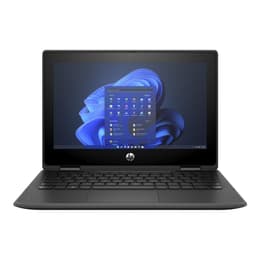
HP Pro x360 Fortis G10 11" vs Microsoft Surface Laptop 4 13"
- 1-year warranty
- Free standard shipping
- Free 30-day returns
Differences at a glance
The HP Pro x360 Fortis G10 11" (2022) and the Microsoft Surface Laptop 4 13" (2021) represent two distinct approaches to portable computing, catering to different user needs in terms of form factor and everyday utility. While the HP model focuses on a rugged, convertible layout built for flexible positioning, the Microsoft device emphasizes a traditional, thin clamshell design with a larger workspace. Both laptops run on the Windows operating system, offering familiar software environments, yet they diverge significantly in physical construction, screen size, and target usability.
Available Models
Storage
Processor
Memory
Scores
Durability
Evaluating durability and longevity involves looking at physical build quality, materials, and ongoing software support timelines provided by the operating system.
- Build and Physical Resilience: The HP model incorporates rugged features such as reinforced rubber trim and a 360-degree hinge designed for frequent reconfiguration. The Microsoft competitor relies on a sleek aluminum or fabric-finished chassis geared toward standard desktop and lap usage.
- Software Longevity: Both computers receive regular system updates and security patches through the Windows platform, ensuring consistent long-term usability. Component repairability varies, with educational-focused models often prioritizing rugged exterior resilience over internal component accessibility.
- Expected Lifespan: Both machines are built to endure years of standard productivity tasks, though physical wear outcomes differ based on whether the device travels in rugged environments or stays in controlled office and home settings.
Release Year
2022
2020
OS
Windows 11
Windows 11
Performance
System performance and responsiveness dictate how smoothly each laptop handles multitasking, document editing, and day-to-day application loading.
- Everyday Speed and Multitasking: Both devices handle standard web browsing, office suites, and streaming media smoothly. Higher configuration tiers on either model provide additional memory capacity to keep multiple demanding applications open simultaneously without noticeable slowdowns.
- Storage and Battery Behavior: Solid-state drive configurations ensure fast device boot times and rapid file transfers. Battery longevity varies under heavy workloads, though both models are engineered to comfortably power through standard work or study sessions away from an electrical outlet.
- System Thermal Management: Efficient internal cooling allows both laptops to maintain stable processing speeds during extended periods of multi-window use or video conferencing.
Graphic card
Integrated Graphics
Integrated Graphics
Screen quality
Display characteristics shape the visual experience, influencing text clarity, color reproduction, and suitability for various lighting environments.
- Display Size and Resolution: The HP features an 11.6-inch screen with standard high-definition resolution, optimized for compact portability and basic tasks. The Microsoft option utilizes a larger 13.5-inch PixelSense display with a higher pixel density, providing a more expansive workspace for multi-window viewing.
- Touch and Interaction: Both displays support touch input, allowing for direct on-screen navigation, though the HP's convertible hinge enables it to function completely flat or in tablet mode.
- Brightness and Clarity: Panel brightness levels on both machines accommodate indoor use and moderate ambient light, making them well-suited for classroom, office, or home environments.
Resolution
1366 x 768
2256 x 1504
Screen type
LCD
IPS
Audiovisual
Audio-visual capabilities encompass webcam clarity, microphone pickup for virtual meetings, and built-in speaker output for media consumption.
- Webcam and Conferencing: Both laptops feature integrated webcams and microphones tailored for video calls and online learning. Certain configurations of the HP model include an optional world-facing secondary camera for flexible project capture.
- Audio Output: Built-in stereo speakers deliver clear vocal reproduction during meetings and adequate sound quality for casual video viewing or listening to podcasts.
- Microphone Performance: Integrated array microphones successfully isolate voice audio from background ambient noise during remote communication.
Miscellaneous
Practical daily usability is influenced by connectivity ports, physical dimensions, and overall weight distribution.
- Port Selection: The HP model offers a versatile array of physical inputs including traditional USB ports, USB-C, HDMI, and an Ethernet jack. The Microsoft device opts for a streamlined selection focusing on USB-C, USB-A, and the proprietary Surface Connect port.
- Portability and Weight: The HP weighs roughly 1.5 kilograms with a thick, protective chassis, whereas the Microsoft laptop weighs around 1.26 kilograms within a slimmer, more streamlined profile.
- Wireless Connectivity: Both laptops incorporate modern Wi-Fi and Bluetooth standards to ensure stable wireless accessories and fast internet connection speeds.
Weight
4 oz
54 oz
Screen size
11
13
What the community thinks
Choosing between these two laptops depends heavily on your physical workspace preferences and daily mobility routines. Users who prioritize a rugged build, flexible convertible angles for collaborative learning, and traditional wired networking ports may find the HP model well-suited to their environment. Conversely, users who prefer a spacious, high-resolution screen, a lightweight traditional laptop layout, and a polished aesthetic often lean toward the Microsoft Surface alternative.
Reviewers and long-term users frequently praise the Microsoft device for its comfortable keyboard and sharp display, while noting that its port selection is more limited. On the other hand, the HP variant receives recognition for its robust physical resilience and hinge versatility, though its screen resolution is more basic. Exploring a quality-assured refurbished option through Back Market can provide access to either of these capable Windows laptops as an eco-friendly, sustainable choice that reduces electronic waste.