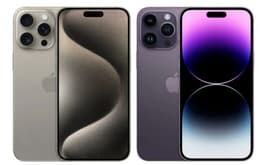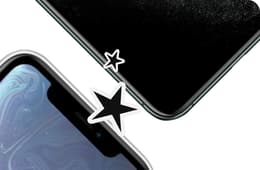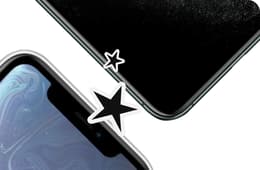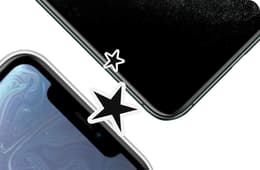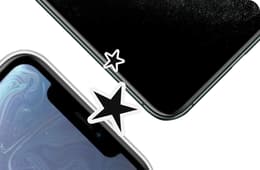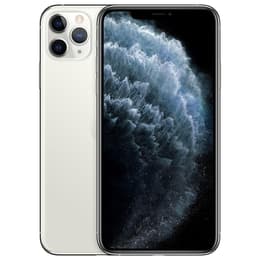
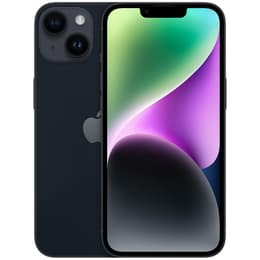

iPhone 11 Pro Max • Unlocked vs iPhone 14 • Locked AT&T

iPhone 11 Pro Max • Unlocked
Starting at

Refurbished price:$214.00

Versus $849.00 new

See options
iPhone 14 • Locked AT&T
Starting at

Refurbished price:$225.72

Versus $629.00 new

See options

Ratings

The iPhone 11 Pro Max, released in September 2019, and the iPhone 14, launched in September 2022, represent different generations within Apple's smartphone lineup. While both devices operate on Apple's iOS platform, the iPhone 14 introduces several advancements in processing power, camera capabilities, and safety features. This comparison aims to highlight the practical differences between these two models to help consumers make an informed decision, especially when considering quality-assured refurbished options.

Scores

Durability

When evaluating the longevity of these devices, several factors come into play, including software support, physical resilience, and ease of maintenance.

  • Software Longevity: The iPhone 11 Pro Max, having been released in 2019, received iOS 13 at launch and is expected to continue receiving major iOS updates for a few more years, likely concluding around iOS 17 or 18. The iPhone 14, released in 2022 with iOS 16, benefits from a longer update cycle, extending its software support further into the future, potentially until iOS 20 or beyond. [4, 23]
  • Physical Durability: Both models feature an IP68 rating for water and dust resistance, though the iPhone 14 offers slightly improved water resistance, capable of submersion up to 6 meters for 30 minutes compared to the 11 Pro Max's 4 meters. [1, 31, 34] The iPhone 14 also incorporates a Ceramic Shield front cover, which provides enhanced drop performance compared to the glass on the 11 Pro Max. [3, 6]
  • Repairability Considerations: The iPhone 11 Pro Max initially received a repairability score of 6 out of 10 from iFixit, indicating a moderate level of ease for repairs. [20] The iPhone 14 initially received a higher score of 7 out of 10 due to its redesigned internal architecture, making certain repairs, like back glass replacement, more accessible. [8] However, this score was later retroactively lowered to 4 out of 10 due to software restrictions that complicate unauthorized repairs and parts pairing. [11, 15, 18, 24]

Release Year

2019

2022

Last OS Compatibility

Yes

Yes

OS

iOS

iOS

Foldable

No

No

Performance

The performance of a smartphone is largely determined by its internal components, impacting everything from app responsiveness to multitasking efficiency and battery endurance.

  • Processing Power: The iPhone 14 is equipped with a newer generation processor, offering a noticeable improvement in overall speed and efficiency compared to the iPhone 11 Pro Max's processor. This translates to faster app loading times, smoother navigation, and more fluid performance in demanding applications and games.
  • Multitasking and Responsiveness: The iPhone 14 features more RAM than the iPhone 11 Pro Max, which contributes to better multitasking capabilities. Users may experience fewer app reloads when switching between multiple applications, leading to a more seamless user experience. [26, 28, 34]
  • Battery Behavior: While the iPhone 11 Pro Max has a larger battery capacity, the iPhone 14's more efficient processor and optimized software often result in comparable or even slightly better real-world battery life for typical daily usage. [9, 10, 25] Users of the iPhone 14 can generally expect the device to last through a full day for most activities. [9]

Memory (GB)

4 GB

6 GB

Screen quality

Both devices offer high-quality displays, but there are distinctions in size, technology, and protective features that influence the viewing experience.

  • Display Technology and Clarity: Both the iPhone 11 Pro Max and the iPhone 14 feature Super Retina XDR OLED displays, providing deep blacks, vibrant colors, and excellent contrast. [2, 3, 23, 34] The pixel density is very similar, ensuring sharp text and clear images on both screens. [2, 3, 23, 34]
  • Screen Size and Brightness: The iPhone 11 Pro Max offers a larger 6.5-inch display, which can be beneficial for media consumption and productivity. [2, 23, 31] The iPhone 14 has a 6.1-inch display. [3, 6, 28, 34] Both models achieve similar peak brightness levels, making them suitable for outdoor visibility, even in bright conditions. [2, 3, 23, 34]
  • Protective Features: The iPhone 14 incorporates Apple's Ceramic Shield front cover, which is designed to offer increased durability and drop resistance compared to the glass used on the iPhone 11 Pro Max. [3, 6]

Resolution

1242 x 2688

1170 x 2532

Screen type

Super Retina XDR OLED

Super Retina XDR OLED

Audiovisual

The camera systems on both iPhones are capable, but the newer iPhone 14 introduces significant enhancements, particularly in computational photography and video features.

  • Rear Camera System: The iPhone 11 Pro Max features a versatile triple-camera system with 12MP Wide, Ultra Wide, and Telephoto lenses, offering 2x optical zoom in and out. [2, 22, 29, 33] It includes Night mode and Deep Fusion for improved low-light and detailed photography. [2, 22] The iPhone 14 has a dual 12MP camera system (Main and Ultra Wide), but its Main camera features a larger sensor, a wider aperture, and sensor-shift optical image stabilization for better low-light performance. [3, 14, 17, 19] It also benefits from the Photonic Engine, which enhances image quality in challenging lighting conditions. [3, 14, 17]
  • Photography Features: The iPhone 14 introduces advanced features like Action mode for smoother video capture during movement and an improved Cinematic mode that supports 4K HDR at 30 frames per second. [1, 3, 14, 19] The iPhone 11 Pro Max offers a dedicated telephoto lens for optical zoom, a feature not present on the standard iPhone 14. [2, 29, 33]
  • Front Camera: Both devices have a 12MP front-facing camera. However, the iPhone 14's front camera includes autofocus and a wider aperture, leading to sharper selfies and improved low-light performance. [1, 3, 14]

Main camera

12 megapixels

12 megapixels

Front camera

12 megapixels

12 megapixels

Miscellaneous

Beyond core specifications, several practical elements differentiate these two iPhone models, impacting daily use and connectivity.

  • Connectivity Standards: A key difference is the iPhone 14's support for 5G cellular networks, offering faster download and upload speeds in areas with 5G coverage, which the iPhone 11 Pro Max lacks, being limited to 4G LTE. [3, 5, 7, 28, 34] Both support Wi-Fi 6 for fast wireless internet. [5, 21]
  • Physical Design and Handling: The iPhone 11 Pro Max is a larger and heavier device, weighing 226 grams with a 6.5-inch screen, which might appeal to users who prefer a substantial feel and maximum screen real estate. [23, 31] The iPhone 14 is lighter at 172 grams and features a more compact 6.1-inch display, making it easier for one-handed use for some individuals. [3, 6, 34]
  • Additional Features: The iPhone 14 includes newer safety features such as Crash Detection and Emergency SOS via Satellite (in supported regions), which are not available on the iPhone 11 Pro Max. [3, 4, 7, 34] For models sold in the US, the iPhone 14 relies solely on eSIM, whereas the iPhone 11 Pro Max supports both physical nano-SIM and eSIM. [3, 4, 34]

Weight

8 oz

6 oz

Screen size (inches)

6.5

6.1

Network

LTE

5G

SIM card

Physical SIM + eSIM

eSIM

Carrier compatibility

Unlocked

AT&T

Connector

Lightning

Lightning

The iPhone 11 Pro Max and iPhone 14 cater to slightly different user priorities, reflecting the technological advancements over their respective release years. Users often praise the iPhone 11 Pro Max for its large display and robust build quality, along with its capable triple-camera system that includes a dedicated telephoto lens. Some users, however, might find its size and weight less convenient for everyday portability. Its 4G-only connectivity is also a point of consideration in areas with widespread 5G.

The iPhone 14 is frequently lauded for its enhanced camera performance, particularly in low light and video stabilization, thanks to features like the Photonic Engine and Action mode. Its lighter design and the inclusion of 5G connectivity are also significant advantages for many. Some users have noted concerns regarding battery degradation over time, though overall daily endurance remains strong for most. [39]

Users prioritizing a larger screen and a dedicated telephoto camera might find the iPhone 11 Pro Max well-suited to their needs, especially if 5G connectivity is not a primary concern. Conversely, those who value the latest camera innovations, faster cellular speeds, a more compact and lighter design, and extended software support will likely lean towards the iPhone 14. Both devices offer a reliable iOS experience, and choosing a quality-assured refurbished option for either model presents an eco-friendly alternative for consumers.


See all articles

Our recent comparisons