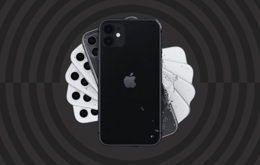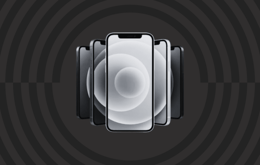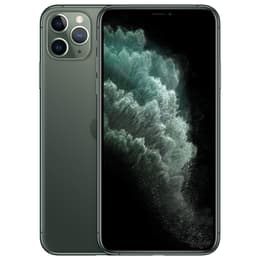
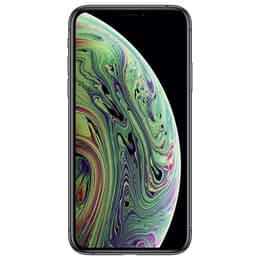

iPhone 11 Pro Max • Unlocked vs iPhone XS • Unlocked

iPhone 11 Pro Max • Unlocked
Starting at

Refurbished price:$214.00

Versus $849.00 new

See options
iPhone XS • Unlocked
Starting at

Refurbished price:$149.00

Versus $459.00 new

See options

Ratings

The iPhone 11 Pro Max, released in September 2019, and the iPhone Xs, launched in September 2018, are both premium smartphones from Apple. While sharing the iOS ecosystem and a similar design language, the 11 Pro Max introduces a more advanced camera system, a larger display, and enhanced battery performance compared to its predecessor. Both devices run on Apple's iOS, offering a consistent user experience and access to a vast app library.

Scores

Durability

The iPhone 11 Pro Max and iPhone Xs, being consecutive generations, offer comparable build quality and software longevity, though the newer model benefits from an extended support window.

  • Release timeline and OS support: The iPhone 11 Pro Max, released in September 2019, is expected to receive software updates for approximately one year longer than the iPhone Xs, which launched in September 2018. This means the 11 Pro Max will benefit from newer iOS features and security patches for a longer duration.
  • Physical resilience: Both models feature a stainless steel frame and glass construction, providing a solid feel. The iPhone 11 Pro Max includes a slightly more robust glass formulation and an improved IP68 rating for water and dust resistance, allowing for submersion at greater depths and for longer periods compared to the iPhone Xs's IP68 rating.
  • Practical lifespan: Users can expect both devices to remain functional for several years, handling everyday tasks effectively. However, the iPhone 11 Pro Max's newer processor and extended software support contribute to a slightly longer practical lifespan for demanding applications and future compatibility.

Release Year

2019

2018

Last OS Compatibility

Yes

Yes

OS

iOS

iOS

Foldable

No

No

Performance

The performance differences between the iPhone 11 Pro Max and iPhone Xs stem primarily from their respective processors and battery capacities, impacting daily usage and demanding tasks.

  • Processing power: The iPhone 11 Pro Max features a newer generation processor, which translates to faster app loading times, smoother multitasking, and more efficient handling of graphics-intensive games and applications. The iPhone Xs, while still capable, may show slight delays in comparison when running the most demanding software.
  • Battery endurance: The iPhone 11 Pro Max is equipped with a significantly larger battery (3969 mAh) providing extended usage times. Users often report that the 11 Pro Max can comfortably last a full day of heavy use, whereas the iPhone Xs, with its 2658 mAh battery, typically requires more frequent charging, especially for users with high usage patterns.
  • Storage and responsiveness: Both models offer similar storage configurations, ensuring ample space for apps and media. The 4GB of RAM in both devices allows for competent multitasking, though the 11 Pro Max's more efficient processor contributes to a slightly more fluid overall system responsiveness.

Memory (GB)

4 GB

4 GB

Screen quality

Both devices feature OLED displays, but the iPhone 11 Pro Max offers a larger viewing area and enhanced brightness capabilities.

  • Display technology and size: The iPhone 11 Pro Max boasts a 6.5-inch Super Retina XDR OLED display, providing a more expansive viewing experience compared to the iPhone Xs's 5.8-inch Super Retina OLED screen. Both displays deliver deep blacks and vibrant colors characteristic of OLED technology.
  • Clarity and brightness: The 11 Pro Max offers a higher typical brightness of 800 nits, with a peak brightness of 1200 nits for HDR content, making it more legible in bright outdoor conditions than the iPhone Xs, which has a typical brightness of 625 nits. Both maintain excellent pixel density for sharp text and images.
  • Viewing experience: While both screens operate at a standard 60Hz refresh rate, the larger size of the 11 Pro Max enhances immersion for video consumption and gaming. The improved brightness on the 11 Pro Max also contributes to a more comfortable viewing experience in varied lighting environments.

Resolution

1242 x 2688

1125 x 2436

Screen type

Super Retina XDR OLED

Super Retina OLED

Audiovisual

The camera systems are a significant point of divergence, with the iPhone 11 Pro Max introducing a versatile triple-lens setup and advanced computational photography features.

  • Rear camera system: The iPhone 11 Pro Max features a triple 12MP camera array, including wide, ultra-wide, and telephoto lenses, offering greater photographic flexibility. The iPhone Xs has a dual 12MP camera system with wide and telephoto lenses. The addition of an ultra-wide lens on the 11 Pro Max allows for capturing broader scenes.
  • Low-light and computational photography: The 11 Pro Max introduced Night Mode, significantly improving low-light photography by capturing brighter and more detailed images in dim conditions. It also features Deep Fusion for enhanced detail and texture in medium-light environments. The iPhone Xs relies on Smart HDR for dynamic range improvements but lacks these advanced low-light capabilities.
  • Front camera and video: The iPhone 11 Pro Max upgrades the front camera to 12MP, offering higher resolution selfies and improved video calls, compared to the iPhone Xs's 7MP front camera. Both devices are capable of recording 4K video at up to 60 frames per second, with the 11 Pro Max offering slightly better video stabilization and dynamic range.

Main camera

12 megapixels

12 megapixels

Front camera

12 megapixels

7 megapixels

Miscellaneous

Beyond core features, several practical elements differentiate the user experience between these two iPhone models.

  • Connectivity standards: The iPhone 11 Pro Max supports Wi-Fi 6, offering faster wireless internet speeds and improved performance in congested network environments compared to the iPhone Xs, which supports Wi-Fi 5. Both devices utilize 4G LTE for cellular data and Bluetooth 5.0 for wireless accessories.
  • Physical design and handling: The iPhone 11 Pro Max is a larger and heavier device (226g) due to its expansive screen and larger battery, which might appeal to users who prefer a more substantial phone for media consumption. The iPhone Xs offers a more compact and lighter form factor (177g), making it easier for one-handed use and pocketability.
  • Biometric security and ports: Both models rely on Face ID for secure facial recognition, providing a convenient method for unlocking the device and authenticating purchases. Both devices also feature Apple's proprietary Lightning port for charging and data transfer, and neither includes a traditional headphone jack.

Weight

8 oz

6 oz

Screen size (inches)

6.5

5.8

Network

LTE

LTE

SIM card

Physical SIM + eSIM

Physical SIM + eSIM

Carrier compatibility

Unlocked

Unlocked

Connector

Lightning

Lightning

Users frequently praise the iPhone 11 Pro Max for its exceptional battery life, robust camera system with the versatile ultra-wide lens and Night Mode, and its large, bright display, making it a strong contender for media consumption and photography enthusiasts. Criticisms often point to its considerable size and weight, which might be less comfortable for users preferring a more compact device. The iPhone Xs is often lauded for its more manageable size and still-capable performance for everyday tasks, with users appreciating its premium build and vibrant OLED screen. Its main criticisms often revolve around its battery life, which can be a limiting factor for heavy users, and its less advanced camera compared to newer models.

Users prioritizing extended battery life, a larger display for media, and a more versatile camera system with advanced low-light capabilities may find the iPhone 11 Pro Max well-suited to their needs. Conversely, users who value a more compact and lighter device that is easier to handle with one hand, while still offering a premium experience for daily tasks, may lean toward the iPhone Xs. Both devices offer a reliable iOS experience, and choosing a quality-assured refurbished option for either model presents an eco-friendly alternative. The decision ultimately depends on individual preferences regarding size, camera features, and battery endurance.

See all articles

Our recent comparisons