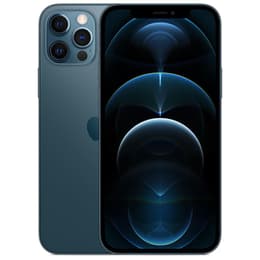
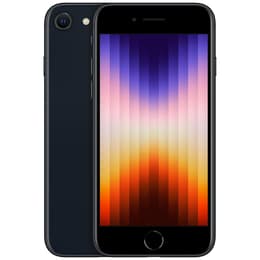

iPhone 12 Pro • Unlocked vs iPhone SE (2022) • Locked AT&T

iPhone 12 Pro • Unlocked
Starting at

Refurbished price:$229.00

Versus $799.00 new

See options
iPhone SE (2022) • Locked AT&T
Starting at

Refurbished price:$102.00

Versus $429.00 new

See options

Ratings

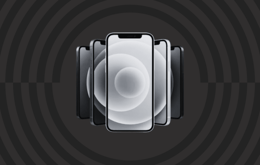
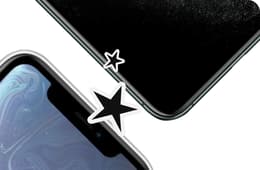
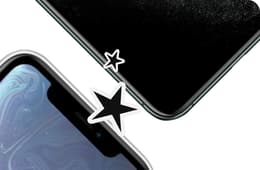
The iPhone 12 Pro, released in October 2020, and the iPhone SE (2022), launched in March 2022, represent distinct approaches within Apple's smartphone lineup. While both devices operate on the iOS ecosystem, they cater to different user preferences through their design, display technology, and camera capabilities. The iPhone 12 Pro offers a more expansive and advanced display with a versatile multi-camera system, whereas the iPhone SE (2022) provides a compact form factor with a more recent, yet single-lens, camera system and a powerful internal processor.

Scores

Durability

When considering the practical lifespan of these devices, their release timelines and software support are key factors. The iPhone SE (2022) benefits from a later release, potentially offering a longer period of software updates compared to the iPhone 12 Pro.

  • Release Timeline: The iPhone 12 Pro was released in October 2020, while the iPhone SE (2022) followed in March 2022. This two-year difference means the iPhone SE (2022) is likely to receive iOS updates for a longer duration, extending its software longevity. [1, 3, 4]
  • Software Longevity: Both devices are known for receiving consistent software updates from Apple, ensuring access to new features and security enhancements for several years. The iPhone SE (2022), being newer, will naturally have its support window extend further into the future. [1, 9]
  • Repairability: The iPhone 12 Pro received a repairability score of 6 out of 10 from iFixit, indicating that many components are modular and accessible, though waterproofing measures can complicate repairs. [11, 12, 32, 36, 41] Information on the iPhone SE (2022)'s repairability suggests a similar approach, with some components being modular.

Release Year

2020

2022

Last OS Compatibility

Yes

Yes

OS

iOS

iOS

Foldable

No

No

Performance

Both smartphones deliver robust performance for everyday tasks, but they differ in their underlying hardware and multitasking capabilities. The iPhone SE (2022) features a newer processor, while the iPhone 12 Pro offers more RAM for demanding applications.

  • Processor Capabilities: The iPhone SE (2022) is equipped with a more recent processor, which translates to efficient handling of current applications and smooth navigation. [4, 8, 17] The iPhone 12 Pro, while featuring an older generation processor, still provides a highly responsive experience for most users and demanding apps. [2, 3, 5]
  • Multitasking and Responsiveness: The iPhone 12 Pro includes 6GB of RAM, which allows for more applications to run simultaneously in the background without needing to reload, contributing to a fluid multitasking experience. [3, 16, 23, 40] The iPhone SE (2022) comes with 4GB of RAM, which is sufficient for general use and efficient for its operating system, though heavy users might notice differences when switching between many active applications. [4, 17, 28, 30]
  • Storage Options: Both devices offer various internal storage configurations. The iPhone 12 Pro starts with 128GB, with options up to 512GB, providing ample space for media and applications. [3, 14] The iPhone SE (2022) is available with 64GB, 128GB, or 256GB of storage, catering to users with different storage needs. [4, 19, 24]

Memory (GB)

6 GB

4 GB

Screen quality

The visual experience on these two devices presents a notable contrast, primarily due to their differing display technologies and physical sizes.

  • Display Technology and Size: The iPhone 12 Pro features a 6.1-inch Super Retina XDR OLED display, known for its deep blacks, vibrant colors, and high contrast ratio. [2, 13, 18] In contrast, the iPhone SE (2022) utilizes a 4.7-inch Retina IPS LCD display, which offers good color accuracy and brightness but does not achieve the same level of contrast or true blacks as an OLED panel. [4, 17, 20]
  • Resolution and Clarity: The iPhone 12 Pro boasts a resolution of 2532x1170 pixels at 460 ppi, resulting in a very sharp and detailed image. [2, 13] The iPhone SE (2022) has a resolution of 1334x750 pixels at 326 ppi, which provides clear visuals for its size, though less pixel-dense than the 12 Pro. [4, 20]
  • Brightness and Viewing Experience: The iPhone 12 Pro offers a typical maximum brightness of 800 nits and can reach up to 1200 nits for HDR content, ensuring excellent visibility even in bright outdoor conditions. [2, 13] The iPhone SE (2022) has a maximum brightness of 625 nits, which is adequate for most environments but may be less visible under direct sunlight. [4, 20]

Resolution

1170 x 2532

750 x 1334

Screen type

Super Retina XDR OLED

Retina IPS LCD

Audiovisual

The camera systems on the iPhone 12 Pro and iPhone SE (2022) offer different capabilities, with the 12 Pro providing a more versatile setup for varied photographic scenarios.

  • Camera System Configuration: The iPhone 12 Pro features a triple 12MP camera system, including Ultra Wide, Wide, and Telephoto lenses, offering a 4x optical zoom range and up to 10x digital zoom. [2, 26, 29] It also includes a LiDAR Scanner for improved low-light autofocus and Night mode portraits. [2, 18, 26] The iPhone SE (2022) has a single 12MP wide camera, which is capable but lacks the versatility of multiple lenses. [4, 17, 20]
  • Photography Performance: Both devices excel in everyday photography, with features like Smart HDR and Deep Fusion enhancing image quality. The iPhone 12 Pro's dedicated Night mode on multiple lenses and its LiDAR Scanner provide an advantage in challenging low-light conditions. [2, 33, 34, 37] The iPhone SE (2022) benefits from computational photography features like Smart HDR 4 and Photographic Styles, delivering strong results from its single lens. [24]
  • Video Recording: The iPhone 12 Pro supports HDR video recording with Dolby Vision up to 60 frames per second, along with 4K video up to 60 fps, offering advanced video capabilities. [2, 18, 34] The iPhone SE (2022) also records 4K video up to 60 fps and includes cinematic video stabilization, providing high-quality video capture. [1, 20]

Main camera

12 megapixels

12 megapixels

Front camera

12 megapixels

7 megapixels

Miscellaneous

Beyond core features, several practical elements differentiate the user experience between these two iPhone models.

  • Connectivity and Ports: Both the iPhone 12 Pro and iPhone SE (2022) support 5G (sub-6 GHz) and Wi-Fi 6 (802.11ax), ensuring fast wireless data speeds. [3, 17, 20, 24] Both devices utilize the Lightning port for charging and data transfer. The iPhone 12 Pro also features MagSafe for magnetic accessories and wireless charging. [3]
  • Biometric Security: The iPhone 12 Pro relies on Face ID for secure authentication and unlocking, utilizing its TrueDepth camera system. [10] The iPhone SE (2022) retains the physical Home button with Touch ID, offering fingerprint-based authentication. [25]
  • Design and Handling: The iPhone 12 Pro features a more modern design with a larger, edge-to-edge display and a stainless steel frame, giving it a more premium feel and a slightly heavier build at 189g. [5, 18, 40] The iPhone SE (2022) maintains the classic iPhone design with thicker bezels and an aluminum frame, making it more compact and lighter at 144g. [17, 19, 22]

Weight

7 oz

3 oz

Screen size (inches)

6.1

4.7

Network

5G

5G

SIM card

Physical SIM + eSIM

Physical SIM + eSIM

Carrier compatibility

Unlocked

AT&T

Connector

Lightning

Lightning

The iPhone 12 Pro and iPhone SE (2022) each offer a compelling set of features, tailored to different user priorities. The iPhone 12 Pro is often praised for its expansive OLED display, versatile triple-camera system with advanced features like LiDAR, and its premium build quality. Users frequently highlight its strong performance for demanding tasks and its ability to capture high-quality photos and videos in various conditions. Some common criticisms have included its battery life, with reports of standby drain, and occasional connectivity issues. [27, 38] The lack of a high refresh rate display was also a point of discussion upon its release. [43]

The iPhone SE (2022) is generally lauded for its powerful, current-generation processor, which ensures smooth performance for all applications. Its compact size and the familiarity of Touch ID are also frequently cited as positive attributes. However, its older design with a smaller LCD screen and a single camera system are often noted as areas where it doesn't match more contemporary devices. Some users might also find the 4GB of RAM to be a potential limitation for future-proofing, though it handles current iOS demands efficiently. [35]

Users prioritizing a larger, more immersive display, advanced photographic capabilities, and a premium design will find the iPhone 12 Pro well-suited to their needs. Its multi-lens camera system and additional RAM make it a strong choice for content creators or those who frequently use demanding applications. Conversely, users who prefer a compact device, appreciate the traditional Home button with Touch ID, and value a powerful processor for everyday tasks will lean toward the iPhone SE (2022). It's an excellent option for those seeking a reliable and efficient smartphone in a familiar form factor.

For those considering either device, exploring quality-assured refurbished options can provide an eco-friendly alternative, offering access to these technologies while supporting sustainable consumption.
See all articles

Our recent comparisons