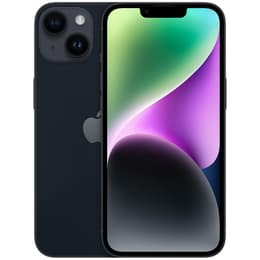
iPhone 12 • Unlocked vs iPhone 14 • Locked AT&T

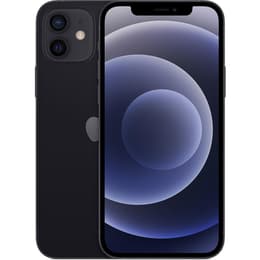
iPhone 12 • Unlocked
Starting at

Refurbished price:$172.00

Versus $629.00 new

See options
iPhone 14 • Locked AT&T
Starting at

Refurbished price:$225.72

Versus $629.00 new

See options

Ratings

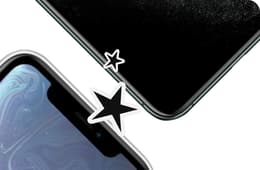
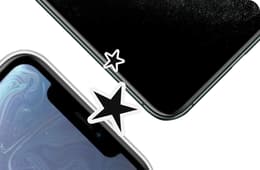
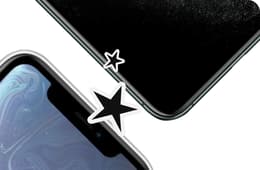
The iPhone 12, released in October 2020, and the iPhone 14, launched in September 2022, represent different generations within Apple's smartphone lineup. While both devices offer a consistent iOS experience, the iPhone 14 introduces advancements in camera technology, internal design, and safety features. This comparison will explore the practical differences between these two models to help users make an informed decision, considering that both are available as quality-assured refurbished options.

Scores

Durability

When considering the longevity of these devices, their release timelines and software support are key factors. The iPhone 14, being a newer model, generally offers a longer period of software updates and security patches compared to the iPhone 12.

  • Release Timeline: The iPhone 12 was introduced in October 2020, while the iPhone 14 followed almost two years later in September 2022. This difference in release date directly impacts the duration of future iOS support, with the iPhone 14 expected to receive updates for a longer period.
  • Software Longevity: Users can anticipate the iPhone 14 to maintain software compatibility and receive new features for at least an additional year or two beyond the iPhone 12, extending its practical lifespan for those who prioritize the latest software experience.
  • Repairability: The iPhone 12 received an initial repairability score of 6 out of 10 from iFixit, indicating that many parts could be replaced. However, the iPhone 14 initially received a higher score due to an internal redesign that made it easier to access components like the back glass. This initial positive assessment for the iPhone 14 was later revised to a lower score of 4 out of 10 by iFixit, due to software limitations and part-pairing procedures that complicate unauthorized repairs.

Release Year

2020

2022

Last OS Compatibility

Yes

Yes

OS

iOS

iOS

Foldable

No

No

Performance

Both the iPhone 12 and iPhone 14 deliver capable performance for everyday tasks, but the newer model benefits from a more advanced internal architecture, leading to smoother operation in demanding scenarios.

  • Overall Responsiveness: The iPhone 14 features a more efficient processor, which translates to slightly faster app loading times and a more fluid user experience, especially when navigating between multiple applications.
  • Multitasking and Demanding Apps: While both devices handle multitasking well, the iPhone 14's enhanced processing power and increased RAM allow it to manage more intensive applications and complex tasks with greater ease, reducing potential slowdowns during heavy usage.
  • Battery Behavior: The iPhone 14 generally offers improved battery life compared to the iPhone 12, providing more usage time on a single charge. The iPhone 12's battery life was noted to be impacted by 5G usage, lasting around 8 hours and 25 minutes on a 5G network in some tests, while the iPhone 14 typically lasts longer, with some tests showing around 9 hours and 28 minutes.

Memory (GB)

4 GB

6 GB

Screen quality

Both smartphones feature high-quality displays, offering vibrant visuals, but the iPhone 14 includes minor enhancements that contribute to a slightly improved viewing experience.

  • Display Technology and Clarity: Both the iPhone 12 and iPhone 14 utilize a 6.1-inch Super Retina XDR OLED display, providing deep blacks, excellent contrast, and sharp 2532 x 1170 pixel resolution at approximately 460 pixels per inch.
  • Brightness Levels: The iPhone 14 offers a slightly higher typical maximum brightness of 800 nits compared to the iPhone 12's 625 nits, making content a bit more visible in bright outdoor conditions, though both reach a peak brightness of 1200 nits for HDR content.
  • Refresh Rate: Both models maintain a standard 60Hz refresh rate, which provides a smooth experience for most users. However, neither device offers the higher refresh rates found in some other smartphones, which can provide an even smoother scrolling and gaming experience.

Resolution

1170 x 2532

1170 x 2532

Screen type

Super Retina XDR OLED

Super Retina XDR OLED

Audiovisual

The camera systems on both the iPhone 12 and iPhone 14 are capable of capturing high-quality photos and videos, but the iPhone 14 introduces several advancements for improved image processing and low-light performance.

  • Photography Performance: The iPhone 14 features an upgraded main camera with a larger sensor and a wider aperture (f/1.5 compared to iPhone 12's f/1.6), allowing it to capture more light and produce better results in challenging lighting conditions. It also benefits from the Photonic Engine, which enhances mid-to-low light performance across all cameras.
  • Video Recording Capabilities: Both phones support 4K Dolby Vision HDR video recording. The iPhone 14 introduces Action mode for smoother video capture during movement and an improved Cinematic mode, offering more creative control over depth of field in videos.
  • Front Camera and Audio: The iPhone 14's front-facing camera includes autofocus for clearer selfies and video calls, a feature not present on the iPhone 12. Both devices offer good microphone quality for calls and recordings, and deliver clear speaker output for media consumption.

Main camera

12 megapixels

12 megapixels

Front camera

12 megapixels

12 megapixels

Miscellaneous

Beyond core features, several practical elements differentiate the iPhone 12 and iPhone 14, impacting daily usability and connectivity.

  • Connectivity and Ports: Both models support 5G connectivity and Wi-Fi 6. The iPhone 14 features Bluetooth 5.3, a slight upgrade from the iPhone 12's Bluetooth 5.0, offering minor improvements in wireless accessory connectivity. Both continue to use the Lightning port for charging and data transfer.
  • Sensors and Security: Both devices include Face ID for secure facial recognition. The iPhone 14 introduces new safety features such as Crash Detection, which can automatically alert emergency services in the event of a severe car crash, and Emergency SOS via Satellite, allowing users to contact emergency services outside of cellular and Wi-Fi coverage.
  • Build and Handling: Both phones feature a Ceramic Shield front cover for enhanced durability and an IP68 rating for water and dust resistance. The dimensions and weight are very similar, offering a comparable in-hand feel, though the iPhone 14 has a new internal design for improved thermal management.

Weight

7 oz

6 oz

Screen size (inches)

6.1

6.1

Network

5G

5G

SIM card

Physical SIM + eSIM

eSIM

Carrier compatibility

Unlocked

AT&T

Connector

Lightning

Lightning

The iPhone 12 and iPhone 14 both offer a robust smartphone experience, but cater to slightly different user priorities. The iPhone 12 is often praised for its enduring performance and solid camera capabilities, still delivering a reliable experience for everyday use. Users frequently highlight its sleek design and the introduction of 5G as significant advantages at its release. Some common criticisms, however, often point to its battery life, particularly when heavily utilizing 5G connectivity.

The iPhone 14, on the other hand, receives commendation for its enhanced camera system, particularly its improved low-light performance and new video features like Action mode. Its slightly better battery life and the inclusion of advanced safety features like Crash Detection and Emergency SOS via Satellite are also frequently lauded by users. While its display remains at 60Hz, a point of occasional criticism, its overall performance and new features are generally well-received.

Users prioritizing the latest camera technology, improved battery longevity, and cutting-edge safety features will find the iPhone 14 well-suited to their needs. Its extended software support also makes it a more future-proof choice. Conversely, users seeking a capable and reliable iPhone for general use, who may not require the absolute latest advancements in photography or safety, might find the iPhone 12 to be a suitable option. Both models are available as quality-assured refurbished options, providing an eco-friendly alternative for consumers.
See all articles

Our recent comparisons