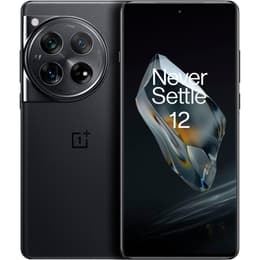
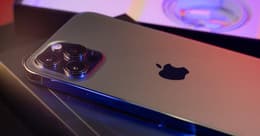
iPhone 12 • Unlocked vs OnePlus 12 • Unlocked

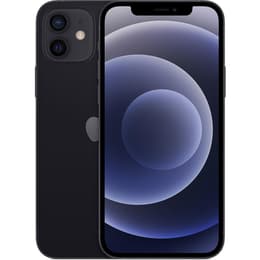
iPhone 12 • Unlocked
Starting at

Refurbished price:$172.96

Versus $629.00 new

See options
OnePlus 12 • Unlocked
Starting at

Refurbished price:$746.99

Versus $1,200.00 new

See options

Ratings

The iPhone 12, released in October 2020, and the OnePlus 12, launched globally in January 2024, represent different generations and operating system ecosystems in the smartphone market. While the iPhone 12 runs on Apple's iOS, the OnePlus 12 operates on Android, specifically OxygenOS. The primary differentiators between these two devices lie in their release timelines, which naturally lead to significant advancements in performance, camera technology, and display capabilities in the newer OnePlus model.

Scores

Durability

When considering the practical lifespan of these devices, their respective release dates and software support policies play a crucial role.

  • Release Timeline: The iPhone 12 was introduced in October 2020, making it a device from an earlier generation. The OnePlus 12, on the other hand, arrived much later, with its global launch in January 2024.
  • Software Longevity: Apple typically provides iOS updates for its devices for approximately 5-6 years from their release. The iPhone 12, having launched with iOS 14, is expected to receive updates up to iOS 19 or even iOS 26, extending its software support well into the future. The OnePlus 12, running Android 14 with OxygenOS 14 at launch, generally receives around 4 major Android OS updates and 5 years of security updates, offering a solid, though potentially shorter, support window compared to the iPhone.
  • Durability and Repairability: Both devices feature robust build materials. The iPhone 12 incorporates a Ceramic Shield front cover and an IP68 rating for water and dust resistance, indicating strong protection against environmental elements. The OnePlus 12 uses Gorilla Glass Victus 2 for its display and has an IP65 rating for dust and water resistance, offering good protection, though slightly less water immersion capability than the iPhone 12. The iPhone 12 received an iFixit repairability score of 6 out of 10, with some modular components but challenges due to enhanced waterproofing.

Release Year

2020

2023

Last OS Compatibility

Yes

Yes

OS

iOS

Android

Foldable

No

No

Performance

The performance capabilities of the iPhone 12 and OnePlus 12 reflect the technological advancements over their respective release periods.

  • Processing Power: The iPhone 12 is equipped with a capable processor that handles everyday applications, multitasking, and moderate gaming smoothly. The OnePlus 12, featuring a much newer generation processor, delivers significantly enhanced performance, making it exceptionally responsive for demanding applications, intensive gaming, and complex multitasking scenarios.
  • Memory and Storage: The iPhone 12 typically comes with 4GB of RAM and storage options up to 256GB. The OnePlus 12 offers substantially more RAM, with configurations ranging from 12GB to 24GB, and larger storage options up to 1TB, utilizing faster UFS 4.0 storage technology. This difference means the OnePlus 12 can keep more applications open simultaneously without slowdowns and offers faster data access.
  • Battery Behavior: The iPhone 12 has a battery designed to provide a full day of typical use, with a capacity of 2815 mAh. The OnePlus 12 features a larger 5400 mAh battery, which, combined with its efficient processor and adaptive display technology, generally translates to extended usage times and less frequent charging for most users.

Memory (GB)

4 GB

16 GB

Screen quality

The visual experience on both devices is delivered through high-quality displays, though with notable differences in technology and specifications.

  • Display Technology and Resolution: The iPhone 12 features a 6.1-inch Super Retina XDR OLED display with a resolution of 2532x1170 pixels, offering deep blacks and vibrant colors. The OnePlus 12 boasts a larger 6.82-inch LTPO AMOLED display with a higher 3168x1440 pixel (QHD+) resolution, providing a sharper and more expansive viewing area.
  • Brightness and Refresh Rate: The iPhone 12's display has a typical brightness of 625 nits and can reach 1200 nits for HDR content, with a standard 60Hz refresh rate. The OnePlus 12 offers significantly higher brightness, reaching 1600 nits typically and up to 4500 nits peak, ensuring excellent visibility even in bright outdoor conditions. Its adaptive refresh rate ranges from 1Hz to 120Hz, providing smoother scrolling and more fluid animations while conserving power.
  • Viewing Experience: Both phones offer excellent color reproduction due to their OLED panels. The OnePlus 12's larger size, higher resolution, and adaptive refresh rate contribute to a more immersive and responsive viewing experience, particularly for media consumption and gaming.

Resolution

1170 x 2532

1440 x 3168

Screen type

Super Retina XDR OLED

LTPO AMOLED

Audiovisual

The camera systems on the iPhone 12 and OnePlus 12 offer distinct approaches to photography and videography.

  • Rear Camera Systems: The iPhone 12 features a dual 12MP camera system, comprising a wide and an ultrawide lens, known for its consistent image processing and reliable performance in various lighting conditions, including Night mode. The OnePlus 12, developed in partnership with Hasselblad, sports a more versatile triple-camera setup: a 50MP main sensor, a 48MP ultrawide lens, and a 64MP periscope telephoto lens with 3x optical zoom. This configuration provides greater flexibility for different photographic styles, including detailed zoomed-in shots.
  • Low-Light and Video Performance: Both devices offer good low-light performance, with the iPhone 12 utilizing Night mode and Deep Fusion for improved detail. The OnePlus 12's larger sensors and advanced computational photography, including Hasselblad color calibration, contribute to strong low-light capabilities and color accuracy. For video, the iPhone 12 supports 4K Dolby Vision HDR recording up to 30 frames per second. The OnePlus 12 can record up to 8K video at 24 frames per second and 4K at 30/60 frames per second, offering higher resolution video capture.
  • Front Camera and Audio: The iPhone 12 has a 12MP front-facing camera. The OnePlus 12 features a higher-resolution 32MP front camera. Both devices provide quality audio for calls and media, with the OnePlus 12 featuring dual stereo speakers and Dolby Atmos support for an immersive sound experience.

Main camera

12 megapixels

50 megapixels

Front camera

12 megapixels

32 megapixels

Miscellaneous

Beyond core performance and display, several practical elements differentiate the iPhone 12 and OnePlus 12.

  • Connectivity and Ports: Both phones support 5G connectivity. The iPhone 12 uses Wi-Fi 6 and Bluetooth 5.0, and features Apple's proprietary Lightning port. The newer OnePlus 12 supports the more advanced Wi-Fi 7 and Bluetooth 5.4 standards, along with a versatile USB-C 3.2 port for faster data transfer and charging. The OnePlus 12 also includes an IR blaster, allowing it to control various household electronics.
  • Biometrics and Sensors: The iPhone 12 relies on Face ID for secure facial recognition. The OnePlus 12 incorporates an in-display optical fingerprint sensor for biometric authentication, alongside face unlock. Both devices include standard sensors like accelerometers, gyroscopes, and compasses.
  • Design and Handling: The iPhone 12 has a compact design, measuring 146.7 x 71.5 x 7.4 mm and weighing 164g, making it comfortable for one-handed use. It features flat edges and an aluminum frame. The OnePlus 12 is a larger and heavier device at 164.3 x 75.8 x 9.15 mm and 220g, offering a more expansive screen but requiring a two-handed grip for many users. It features a glass front and back with an aluminum frame.

Weight

7 oz

8 oz

Screen size (inches)

6.1

6.82

Network

5G

5G

SIM card

Physical SIM + eSIM

Physical SIM

Carrier compatibility

Unlocked

Unlocked

Connector

Lightning

USB-C

The iPhone 12 and OnePlus 12 cater to different user preferences, largely due to their generational gap and distinct operating systems. Users often praise the iPhone 12 for its consistent performance, robust software ecosystem, and compact design, which many find ideal for everyday handling. Its camera system is frequently lauded for its reliability and ease of use, producing high-quality images without extensive adjustments. Criticisms sometimes point to its 60Hz display refresh rate, which is lower than many contemporary Android devices, and its battery life, which for heavy users might require mid-day charging.

The OnePlus 12, being a much newer device, receives acclaim for its cutting-edge performance, vibrant and high-refresh-rate display, and rapid charging capabilities. Users appreciate its versatile camera system, particularly the telephoto lens, and the extended battery life that often lasts well beyond a single day. Some common feedback includes its larger size and weight, which might not appeal to those preferring a more compact phone.

Users prioritizing a compact form factor, a long-term software update commitment, and a streamlined user experience within the Apple ecosystem may find the iPhone 12 well-suited to their needs. Conversely, individuals who value the latest in display technology, superior processing power for demanding tasks, a versatile camera setup with optical zoom, and faster charging will likely lean towards the OnePlus 12. Both devices, whether new or as quality-assured refurbished options, offer distinct advantages for different user profiles, enabling informed and sustainable choices.

See all articles

Our recent comparisons