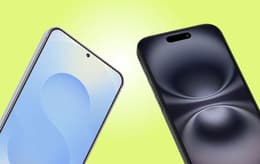
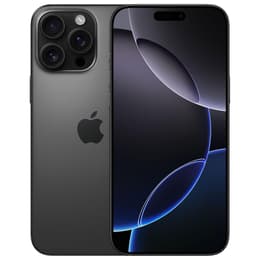

iPhone 14 • Locked AT&T vs iPhone 16 Pro Max • Unlocked

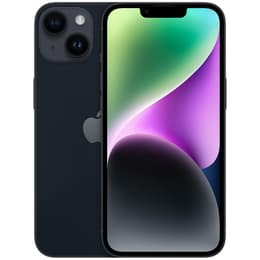
iPhone 14 • Locked AT&T
Starting at

Refurbished price:$225.72

Versus $629.00 new

See options
iPhone 16 Pro Max • Unlocked
Starting at

Refurbished price:$759.00

Versus $1,199.00 new

See options

Ratings

The iPhone 14, released in September 2022, and the iPhone 16 Pro Max, launched in September 2024, represent different tiers and generations within Apple's smartphone lineup. While both operate on Apple's iOS ecosystem, the iPhone 16 Pro Max, as a newer and 'Pro Max' model, introduces substantial advancements in display technology, camera capabilities, and processing power. This comparison will explore the practical differences between these two devices to help users make an informed decision based on their specific needs.

Scores

Durability

When considering the longevity of these devices, several factors come into play, including their release timelines, software support, and physical resilience.

  • Release Timeline and Software Support: The iPhone 14 was released in September 2022, while the iPhone 16 Pro Max followed in September 2024. This two-year difference means the iPhone 16 Pro Max will likely receive major iOS updates for a longer period, extending its software lifespan by approximately two years compared to the iPhone 14. The iPhone 14 launched with iOS 16, and the iPhone 16 Pro Max shipped with iOS 18.
  • Physical Durability: Both devices feature Apple's Ceramic Shield front cover and are rated IP68 for water and dust resistance, indicating robust protection against everyday elements. The iPhone 14 utilizes an aerospace-grade aluminum frame, while the iPhone 16 Pro Max incorporates a titanium design, which is known for its strength and lighter weight.
  • Repairability Considerations: The iPhone 14 initially received a favorable repairability assessment due to its internal design, but this score was later adjusted downwards due to Apple's part-pairing requirements for repairs. While specific repairability scores for the iPhone 16 Pro Max are not as widely detailed, Apple's general approach to authorized repairs suggests similar considerations for newer models.

Release Year

2022

2024

Last OS Compatibility

Yes

Yes

Foldable

No

No

Performance

The performance capabilities of these two iPhones show a notable generational leap, impacting everything from daily tasks to demanding applications.

  • Processing Power: The iPhone 14 is equipped with the A15 Bionic chip, featuring a 6-core CPU and a 5-core GPU. The iPhone 16 Pro Max, on the other hand, is powered by the A18 Pro chip, which includes a 6-core CPU, a 6-core GPU, and an enhanced 16-core Neural Engine. This newer chip in the iPhone 16 Pro Max provides significantly faster processing and graphics rendering, particularly beneficial for complex computations and advanced AI features.
  • Multitasking and Responsiveness: Users will experience smooth operation and quick app loading on both devices. However, the iPhone 16 Pro Max offers more performance headroom, ensuring that demanding applications, intensive gaming, and heavy multitasking run with greater fluidity and efficiency. The increased power also contributes to a more responsive overall system experience, especially with future software updates and more resource-intensive apps.
  • Storage Options: The iPhone 14 is available with storage capacities up to 512GB. The iPhone 16 Pro Max offers higher maximum storage options, extending up to 1TB, catering to users who require extensive space for high-resolution media, large applications, and numerous files.

Memory (GB)

6 GB

8 GB

Screen quality

The visual experience differs significantly between these two models, primarily due to advancements in display technology and size.

  • Display Technology and Size: The iPhone 14 features a 6.1-inch Super Retina XDR OLED display with a resolution of 2532 x 1170 pixels at 460 ppi. The iPhone 16 Pro Max boasts a larger 6.9-inch Super Retina XDR OLED display with a resolution of 2868 x 1320 pixels at 460 ppi. The larger screen on the Pro Max provides a more expansive viewing area for media consumption and productivity.
  • Refresh Rate and Brightness: The iPhone 14 has a standard 60Hz refresh rate. In contrast, the iPhone 16 Pro Max includes ProMotion technology, offering an adaptive refresh rate up to 120Hz, resulting in smoother scrolling and more fluid animations. Both displays offer vibrant colors and deep blacks, typical of OLED technology. The iPhone 16 Pro Max also features an Always-On display and higher peak brightness levels for improved outdoor visibility.
  • Clarity and Viewing Experience: Both phones offer excellent clarity with similar pixel densities. However, the iPhone 16 Pro Max's larger size and higher refresh rate contribute to a more immersive and dynamic viewing experience, particularly for gaming and high-motion video content.

Resolution

1170 x 2532

1320 x 2868

Screen type

Super Retina XDR OLED

LTPO Super Retina XDR OLED

Audiovisual

The camera systems on these iPhones reflect their different market positions and generational improvements, with the Pro Max model offering more advanced photographic and videographic capabilities.

  • Rear Camera System: The iPhone 14 features a dual-camera system with a 12MP Main camera (f/1.5) and a 12MP Ultra Wide camera (f/2.4). It includes features like Photonic Engine for improved low-light performance, Cinematic mode, and Action mode. The iPhone 16 Pro Max sports a triple Pro camera system, including a 48MP Fusion Main camera (f/1.78), a 48MP Ultra Wide camera (f/2.2), and a 12MP 5x Telephoto camera with a tetraprism design. This setup provides greater versatility, including enhanced optical zoom and significantly improved detail capture.
  • Low-Light and Video Performance: The iPhone 16 Pro Max's larger sensors and advanced image processing, including its 48MP Ultra Wide lens, offer superior low-light photography compared to the iPhone 14. For video, the iPhone 16 Pro Max supports advanced features like ProRes video recording up to 4K at 120fps with external recording and Log video, alongside spatial video capture, catering to professional content creation. Both models offer 4K video recording, but the Pro Max provides more advanced options.
  • Front Camera and Additional Features: Both devices feature a 12MP TrueDepth front camera, with the iPhone 14 having an f/1.9 aperture and autofocus. The iPhone 16 Pro Max also includes a 12MP front camera with autofocus and similar aperture, further enhanced by the newer processing capabilities. The iPhone 16 Pro Max also introduces a new Camera Control button for quick access to camera functions.

Main camera

12 megapixels

48 megapixels

Front camera

12 megapixels

12 megapixels

Miscellaneous

Beyond core specifications, several practical elements differentiate the user experience between these two iPhone models.

  • Connectivity and Ports: Both devices support 5G cellular connectivity. The iPhone 14 uses Wi-Fi 6 and Bluetooth 5.3, and features a Lightning port for charging and data transfer. The iPhone 16 Pro Max upgrades to Wi-Fi 7 and Bluetooth 5.3, and notably transitions to a USB-C port, offering faster data transfer speeds and broader compatibility with accessories.
  • Physical Design and Handling: The iPhone 14 measures 146.7 x 71.5 x 7.8 mm and weighs 172 grams. The iPhone 16 Pro Max is larger and heavier, with dimensions of 163 x 77.6 x 8.25 mm and a weight of 227 grams. The iPhone 16 Pro Max's titanium frame contributes to its premium feel and durability. The larger size of the Pro Max might appeal to users who prefer more screen real estate, while the iPhone 14 offers a more compact and lighter form factor.
  • Battery Life: The iPhone 14 has a 3279 mAh battery, generally providing a full day of use for most users. The iPhone 16 Pro Max features a larger 4685 mAh battery, offering extended usage times, with Apple claiming up to 33 hours of video playback. This makes the Pro Max particularly suitable for heavy users or those who need longer periods away from a charger.

Weight

6 oz

7990 oz

Screen size (inches)

6.1

6.9

Network

5G

5G

SIM card

eSIM

eSIM

Carrier compatibility

AT&T

Unlocked

Connector

Lightning

USB-C (USB 3)

The iPhone 14 and iPhone 16 Pro Max cater to different user expectations and priorities, largely due to the generational gap and their respective positions in Apple's product hierarchy. The iPhone 14, while still a capable device, is praised for its balanced performance and improved repairability (initially, before software limitations were noted). Users often find its battery life sufficient for daily use, and its camera system delivers quality photos and videos for general purposes. However, some users might find its 60Hz display less fluid compared to newer models, and its processing power, while robust, is not at the cutting edge.

The iPhone 16 Pro Max, on the other hand, receives acclaim for its expansive and fluid 120Hz ProMotion display, significantly more powerful processor, and highly advanced camera system with enhanced zoom capabilities and professional video features. Its extended battery life is a frequent highlight for power users. Criticisms, if any, often revolve around its larger size and weight, which might not suit all users seeking a more compact device. The introduction of the USB-C port is generally well-received for its versatility.

Users prioritizing a more compact device with solid everyday performance and a reliable camera for general use may find the iPhone 14 well-suited to their needs. It remains a strong option for those seeking a quality-assured refurbished iPhone, offering an eco-friendly alternative. Conversely, users who demand the latest technology, a larger and more immersive display, professional-grade camera features, and extended battery life will likely lean towards the iPhone 16 Pro Max. This device is ideal for content creators, mobile gamers, and professionals who require maximum performance and screen real estate. Both devices, especially when considering refurbished options, provide excellent pathways to Apple's ecosystem, allowing consumers to make sustainable choices that align with their individual requirements.


See all articles

Our recent comparisons