iPhone 14 Plus • Locked T-Mobile vs iPhone 16 • Unlocked

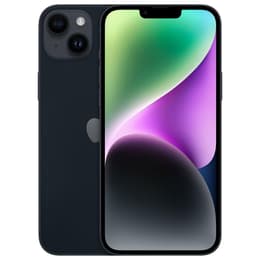
iPhone 14 Plus • Locked T-Mobile
Starting at

Refurbished price:$344.23

Versus $699.00 new

See options
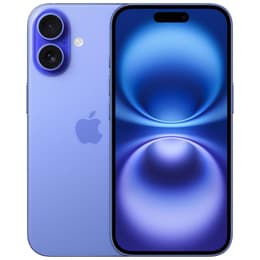
iPhone 16 • Unlocked
Starting at

Refurbished price:$516.00

Versus $729.00 new

See options

Ratings

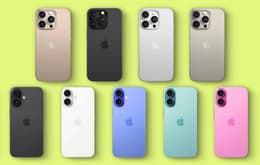
The iPhone 14 Plus, released in October 2022, and the anticipated iPhone 16, expected in September 2026, represent different generations within Apple's smartphone lineup. While both devices operate on Apple's iOS ecosystem, the iPhone 16 is expected to introduce significant advancements in processing power, camera capabilities, and connectivity standards, building upon the established foundation of the iPhone 14 Plus.

Scores

Durability

When considering the longevity of these devices, several factors come into play, primarily their release timelines and software support.

  • Release Timeline: The iPhone 14 Plus launched in October 2022, making it a device that has been available for some time. The iPhone 16 is expected to be released in September 2026, positioning it as a much newer device.
  • OS Support: Apple typically provides 5-6 years of major iOS updates for its devices. The iPhone 14 Plus, having launched with iOS 16, is expected to continue receiving updates for several more years. The iPhone 16, anticipated to launch with iOS 18, will benefit from a longer period of software support, extending its functional lifespan further into the future.
  • Durability Features: Both models feature a Ceramic Shield front cover and IP68 water and dust resistance, offering a similar level of protection against everyday elements. The iPhone 16 may introduce minor material or design refinements, but the core durability standards are expected to remain consistent.

Release Year

2022

2024

Last OS Compatibility

Yes

Yes

Foldable

No

No

Performance

The performance of a smartphone is largely dictated by its internal processing unit and memory, influencing how smoothly applications run and how efficiently tasks are handled.

  • Processor Capabilities: The iPhone 14 Plus is powered by the A15 Bionic chip, which includes a 6-core CPU and a 5-core GPU. This processor delivers responsive performance for daily applications, multitasking, and graphically demanding games. The iPhone 16 is expected to feature a newer A18 Bionic chip, which will likely offer substantial improvements in overall processing speed and graphical rendering, particularly with an upgraded Neural Engine designed for enhanced artificial intelligence and machine learning tasks.
  • Multitasking and Responsiveness: The iPhone 14 Plus comes with 6GB of RAM, contributing to smooth multitasking. The iPhone 16 is rumored to increase its RAM to 8GB for the standard models, which would further enhance its ability to manage multiple applications simultaneously and maintain responsiveness, especially with more demanding software.
  • Storage Options: Both devices offer various internal storage configurations, with the iPhone 14 Plus available in 128GB, 256GB, and 512GB options. While the iPhone 16 is expected to offer similar tiers, there are rumors that minimum storage capacities might increase for newer models.

Memory (GB)

6 GB

8 GB

Screen quality

The display is a primary interface for user interaction, and both iPhones offer a high-quality visual experience, though with expected generational improvements.

  • Display Technology and Size: The iPhone 14 Plus features a 6.7-inch Super Retina XDR OLED display, providing deep blacks and vibrant colors. The iPhone 16 Plus is also expected to maintain a 6.7-inch display size, with the standard iPhone 16 at 6.1 inches.
  • Resolution and Brightness: The iPhone 14 Plus offers a resolution of 2778x1284 pixels at 458 ppi, with a typical brightness of 800 nits and a peak HDR brightness of 1200 nits. The iPhone 16 is rumored to feature brighter OLED panels and potentially slimmer bezels, which could enhance the viewing experience, especially in bright outdoor conditions.
  • Refresh Rate: The iPhone 14 Plus has a standard 60Hz refresh rate. While the iPhone 16 Pro models are expected to feature higher refresh rates, the standard iPhone 16 and 16 Plus are rumored to retain a 60Hz refresh rate.

Resolution

1284 x 2778

1179 x 2556

Screen type

Super Retina XDR OLED

Super Retina XDR OLED

Audiovisual

Camera systems are a key differentiator for smartphones, and while the iPhone 14 Plus offers capable photography, the iPhone 16 is expected to bring notable enhancements.

  • Rear Camera System: The iPhone 14 Plus is equipped with a dual 12MP camera system, comprising a main wide lens (f/1.5 with sensor-shift OIS) and an ultra-wide lens (f/2.4 with a 120° field of view). It supports features like Photonic Engine for improved low-light performance, Cinematic mode for video, and Action mode for stabilized video. The iPhone 16 and 16 Plus are rumored to feature a new vertical camera arrangement, which is not just an aesthetic change but also enables spatial video recording. The main camera is expected to be a 48MP 'Fusion lens' with an f/1.6 aperture, and the ultra-wide camera is rumored to be upgraded to 12MP with an f/2.2 aperture, improving low-light capture and adding macro photography support.
  • Front Camera: Both devices feature a 12MP TrueDepth front camera, with the iPhone 14 Plus having an f/1.9 aperture and autofocus. The iPhone 16's front camera is also expected to offer similar or improved capabilities, maintaining high-quality selfies and video calls.
  • Video Recording: The iPhone 14 Plus supports 4K video recording at various frame rates, including Cinematic mode up to 4K HDR at 30fps and Action mode up to 2.8K at 60fps. The iPhone 16 is expected to continue these capabilities, with the new vertical camera layout enabling spatial video recording for immersive viewing experiences.

Main camera

12 megapixels

48 megapixels

Front camera

12 megapixels

12 megapixels

Miscellaneous

Beyond core performance and display, various practical features contribute to the overall user experience and device utility.

  • Connectivity: The iPhone 14 Plus supports 5G cellular connectivity, Wi-Fi 6 (802.11ax), and Bluetooth 5.3. The iPhone 16 is anticipated to upgrade to newer standards, with rumors suggesting Wi-Fi 7 for faster wireless speeds and potentially an improved 5G modem. Bluetooth 5.4 or newer versions are also expected.
  • Ports and Sensors: The iPhone 14 Plus utilizes a Lightning port for charging and data transfer. It includes Face ID for secure authentication and an Ultra Wideband chip for spatial awareness. The iPhone 16 is expected to transition to a USB-C port, aligning with newer industry standards. It will retain Face ID and is rumored to introduce a new capacitive 'Capture Button' across all models, offering dedicated camera controls.
  • Design and Build: The iPhone 14 Plus features a glass front and back with an aluminum frame, weighing 203 grams. The iPhone 16 is expected to maintain a similar design language, with minor adjustments to dimensions and weight.

Weight

7 oz

6000 oz

Screen size (inches)

6.7

6.1

Network

5G

5G

SIM card

eSIM

eSIM

Carrier compatibility

T-Mobile

Unlocked

Connector

Lightning

USB-C (USB 2)

The iPhone 14 Plus and the upcoming iPhone 16 cater to users with varying priorities, reflecting the natural progression of smartphone technology over several years. The iPhone 14 Plus is praised for its robust battery life, with users often reporting it can last through a full day of heavy use. Its large display and capable dual-camera system also receive positive feedback for everyday photography and media consumption. Some users, however, have noted that after a year or so, battery health can show typical degradation, and heavy app usage can consume significant power.

The iPhone 16, while still based on rumors and expectations, is anticipated to offer substantial upgrades. Consensus points to a more powerful processor, enhanced camera capabilities including spatial video recording, and newer connectivity standards. The rumored increase in RAM and the introduction of a dedicated Capture Button are also expected to improve user experience. Potential criticisms might arise if the standard models retain a 60Hz display refresh rate, which some users might find less fluid compared to higher refresh rate displays available on other devices.

Users prioritizing a proven device with excellent battery endurance and a large display for media and general use will find the iPhone 14 Plus well-suited to their needs. It remains a reliable option for those seeking a quality smartphone experience without the latest generational advancements. Conversely, users who prioritize cutting-edge performance, advanced camera features, future-proof connectivity, and the longest possible software support will likely lean towards the iPhone 16. Its expected improvements in processing power and camera technology make it appealing for those who demand the latest innovations.

For consumers looking for an eco-friendly alternative, considering a quality-assured refurbished option for either model can provide a sustainable choice while still delivering a premium smartphone experience.


See all articles

Our recent comparisons