Compare models
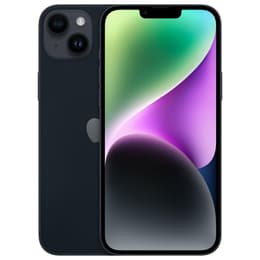
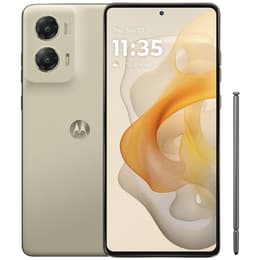
iPhone 14 Plus • Unlocked vs Motorola Moto G Stylus 5G (2024) • Unlocked
- 1-year warranty
- Free standard shipping
- Free 30-day returns
Differences at a glance
The iPhone 14 Plus (2022) and the Motorola Moto G Stylus 5G (2024) are large-screen smartphones designed to provide expansive viewing spaces and dependable day-to-day functionality. While both devices feature roomy 6.7-inch displays, they cater to different ecosystems and user preferences through distinct operating systems, build materials, and integrated features. The iPhone 14 Plus operates on Apple's streamlined iOS platform, whereas the Motorola device runs on Android and incorporates a physical built-in stylus for productivity.
Available Models
Color
Storage (GB)
Scores
Durability
When examining hardware longevity and software support, these two devices follow different update schedules and build philosophies.
- Software Support: The iPhone 14 Plus typically receives long-term operating system updates over a multi-year span, whereas the Motorola Moto G Stylus 5G (2024) features a more limited Android version update window.
- Build and Repair: The iPhone combines aluminum and reinforced glass panels with structured water resistance, while the Motorola utilizes a textured vegan leather backing and a dedicated silo for its writing instrument.
- Expected Lifespan: Both models are built to withstand standard daily use, though the iPhone's extended software update timeline often appeals to users seeking multi-year platform continuity.
Release Year
2022
2024
Last OS Compatibility
Yes
Yes
OS
iOS
Android
Foldable
No
No
Performance
Underneath the surface, daily operation is shaped by distinct internal configurations and battery management systems.
- Multitasking and Speed: Both devices handle everyday tasks, web browsing, and switching between common applications smoothly, though heavy gaming and intensive background rendering execute with varying thermal efficiency depending on the processor architecture.
- Battery Behavior: The Motorola model features a high-capacity 5,000 mAh battery that easily sustains long sessions of media playback, while the iPhone 14 Plus relies on optimized power management to deliver a full day of heavy use on a single charge.
- Storage Configurations: Storage capacities vary by model tier, with options starting at baseline levels and extending upward to accommodate large media libraries and application data.
Screen quality
Visual output and display construction differ significantly in technology and interactive handling.
- Display Technology: The iPhone 14 Plus uses a Super Retina XDR OLED panel with high pixel density, while the Motorola features a pOLED screen optimized for vibrant media consumption.
- Brightness and Outdoors: Both screens reach sufficient brightness levels for comfortable outdoor visibility under direct sunlight, adjusting dynamically to ambient lighting conditions.
- Interaction: The Motorola screen accommodates precision inputs from its integrated stylus for sketching and note-taking, whereas the iPhone display focuses on responsive touch navigation and haptic feedback.
Resolution
1284 x 2778
1080 x 2400
Screen type
Super Retina XDR OLED
P-OLED
Audiovisual
Media capture and audio output capabilities address different creative and everyday recording needs.
- Camera Systems: The iPhone 14 Plus employs a dual-lens rear setup utilizing computational photography for balanced low-light shots and stable video recording, whereas the Motorola includes a main sensor paired with optical image stabilization and an ultra-wide lens.
- Video and Audio: Video capture on both models delivers clear resolution for social sharing or personal archives, supported by built-in microphones and stereo speakers suitable for hands-free calls and casual media viewing.
- Selfie Performance: Front-facing cameras on both devices provide reliable detail for video conferencing and self-portraits, utilizing software enhancements to adjust exposure automatically.
Main camera
12 megapixels
50 megapixels
Front camera
12 megapixels
32 megapixels
Miscellaneous
Practical daily usability elements dictate how each smartphone integrates into travel and connectivity routines.
- Connectivity: Both phones support reliable 5G cellular networks, modern Wi-Fi standards, and Bluetooth for pairing with wireless accessories.
- Physical Ports: The iPhone utilizes a proprietary port structure along with wireless charging capabilities, whereas the Motorola features a standard physical connector alongside a headphone jack and expandable storage via a memory card slot.
- Dimensions and Handling: Despite sharing identical screen diagonals, variations in weight, corner curvature, and back panel textures influence how securely each device rests in the hand.
Weight
7 oz
7 oz
Width
3.07 in
2.94 in
Height
6.33 in
6.4 in
Depth
0.31 in
0.33 in
Screen size (inches)
6.7
6.7
Network
5G
5G
SIM card
eSIM
Physical SIM
Carrier compatibility
Unlocked
Unlocked
Connector
Lightning
USB-C
What the community thinks
User feedback across community platforms highlights distinct preferences for each device. Users frequently praise the iPhone 14 Plus for its reliable battery longevity, vibrant large screen, and smooth integration within the broader iOS ecosystem. Conversely, owners of the Motorola Moto G Stylus 5G (2024) frequently highlight the convenience of the built-in writing tool, dependable battery capacity, and expandable storage options as major daily benefits. Common criticisms for the iPhone center on its reliance on a legacy port style, while the Motorola model receives occasional notes regarding more modest camera performance in challenging lighting conditions.
Users prioritizing long-term software support and streamlined ecosystem syncing may prefer the iPhone 14 Plus, while users prioritizing physical note-taking flexibility and expandable storage will find the Motorola Moto G Stylus 5G (2024) well-suited to their needs. For those exploring sustainable purchasing routes, choosing a quality-assured refurbished option provides an eco-friendly alternative that extends device life cycles without compromising on performance. Ultimately, the right choice depends on whether your daily routine leans toward iOS productivity or Android customization paired with tactile accessories.