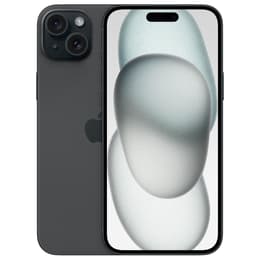
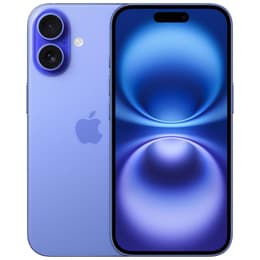

iPhone 15 Plus • Unlocked vs iPhone 16 • Unlocked

iPhone 15 Plus • Unlocked
Starting at

Refurbished price:$394.00

Versus $829.00 new

See options
iPhone 16 • Unlocked
Starting at

Refurbished price:$516.00

Versus $729.00 new

See options

Ratings

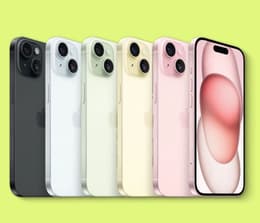
The iPhone 15 Plus, released in September 2023, and the iPhone 16, launched in September 2024, represent two consecutive generations of Apple's larger-screen standard smartphone offerings. While both devices share the iOS operating system and a familiar design language, the iPhone 16 introduces a newer processor, enhanced camera capabilities, and additional physical controls that differentiate it from its predecessor.

Scores

Durability

When considering the long-term usability of these devices, their release timelines and software support are key factors. The iPhone 16, being a year newer, benefits from an extended period of software updates and security patches compared to the iPhone 15 Plus.

  • Software Longevity: The iPhone 15 Plus launched with iOS 17 and is compatible with iOS 18 and iOS 26, typically receiving 5-6 years of major OS updates from its September 2023 release. The iPhone 16, released in September 2024 with iOS 18, is expected to receive software support for approximately one year longer, extending its practical lifespan for users who prioritize the latest features and security.
  • Repairability: Both models feature a durable design with a Ceramic Shield front and an aluminum frame, contributing to their resistance against everyday wear and tear. The iPhone 16 may offer slightly improved repairability for battery replacement due to a different adhesive used in its construction.
  • Expected Lifespan: Users can expect both devices to perform reliably for several years, with the iPhone 16 offering a marginal advantage in terms of future-proofing due to its later release and newer internal components.

Release Year

2023

2024

Last OS Compatibility

Yes

Yes

Foldable

No

No

Performance

The performance of a smartphone is largely dictated by its internal processing power and memory, impacting everything from app responsiveness to multitasking efficiency. Both the iPhone 15 Plus and iPhone 16 deliver smooth experiences, but the newer model incorporates advancements.

  • Processing Power: The iPhone 15 Plus is equipped with the A16 Bionic chip, which provides robust performance for demanding applications, gaming, and seamless multitasking. The iPhone 16 features the newer A18 chip, offering further improvements in CPU and GPU speeds, leading to a more responsive overall system and better handling of future software demands, including advanced AI features.
  • Multitasking and Responsiveness: The iPhone 15 Plus comes with 6GB of RAM, which is sufficient for most daily tasks and app switching. The iPhone 16 upgrades to 8GB of RAM, providing more headroom for intensive multitasking and ensuring smoother operation with multiple applications open simultaneously.
  • Storage Options: Both devices offer a range of storage capacities, typically including 128GB, 256GB, and 512GB, allowing users to choose based on their individual storage needs for apps, photos, and videos.

Memory (GB)

6 GB

8 GB

Screen quality

The visual experience on a smartphone is heavily influenced by its display technology, resolution, and brightness. Both the iPhone 15 Plus and iPhone 16 offer vibrant and clear displays, though with some shared characteristics.

  • Display Technology and Clarity: Both the iPhone 15 Plus and the iPhone 16 feature a Super Retina XDR OLED display, providing deep blacks, high contrast, and vibrant colors for an immersive viewing experience. The resolution on both models is sharp, with approximately 460 pixels per inch, ensuring text and images appear clear.
  • Brightness and Outdoor Visibility: Both devices offer excellent brightness levels, with a typical maximum brightness of 1000 nits, peaking at 1600 nits for HDR content and up to 2000 nits for outdoor use, making them highly visible even in bright sunlight.
  • Refresh Rate and Smoothness: Both the iPhone 15 Plus and the iPhone 16 feature a standard 60Hz refresh rate. This provides a smooth experience for general navigation and video playback, though it does not offer the adaptive high refresh rates found in some other devices.

Resolution

1290 x 2796

1179 x 2556

Screen type

Super Retina XDR OLED

Super Retina XDR OLED

Audiovisual

The camera systems on both the iPhone 15 Plus and iPhone 16 are designed to capture high-quality photos and videos, with the newer model introducing refinements and a notable physical change.

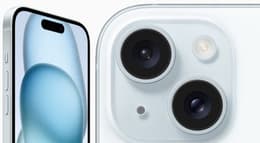
  • Main Camera System: The iPhone 15 Plus features a dual-camera system with a 48MP main sensor and a 12MP ultra-wide lens, capable of capturing detailed photos and offering a 2x telephoto option through sensor cropping. The iPhone 16 also includes a 48MP main camera and a 12MP ultra-wide lens, with the ultra-wide gaining autofocus and a slightly wider aperture for improved low-light performance. A key visual difference is the vertical alignment of the rear cameras on the iPhone 16, a departure from the diagonal layout of its predecessor.
  • Photography Features: Both phones benefit from advanced computational photography features like Photonic Engine, Smart HDR, and Night mode, enhancing image quality across various lighting conditions. The iPhone 16 also introduces a new Capture Button, providing a dedicated physical control for photography and video recording.
  • Video Recording and Audio: Both devices support high-quality video recording, including 4K at various frame rates, and offer features like Cinematic mode. The microphone quality on both is suitable for clear calls and recordings, and they provide stereo speaker output for media consumption.

Main camera

48 megapixels

48 megapixels

Front camera

12 megapixels

12 megapixels

Miscellaneous

Beyond core specifications, several practical elements contribute to the overall user experience, including connectivity, physical design, and additional features.

  • Connectivity and Ports: The iPhone 15 Plus supports Wi-Fi 6 and Bluetooth 5.3, along with 5G cellular connectivity. It features a USB-C port for charging and data transfer, though with USB 2.0 speeds. The iPhone 16 upgrades to Wi-Fi 7, offering faster wireless speeds, and maintains Bluetooth 5.3 (or potentially 5.4). It also uses a USB-C port.
  • Physical Controls and Sensors: The iPhone 15 Plus utilizes a traditional mute switch. The iPhone 16, however, incorporates the Action Button, previously exclusive to Pro models, which is a customizable physical button. Additionally, the iPhone 16 introduces a new Capture Button for camera control. Both devices rely on Face ID for secure authentication.
  • Design and Handling: The iPhone 15 Plus has dimensions of 160.9 x 77.8 x 7.8 mm and weighs 201 grams. The iPhone 16 (standard model) is slightly smaller and lighter at 147.6 x 71.6 x 7.8 mm and 170 grams, while the iPhone 16 Plus maintains similar dimensions to the 15 Plus. Both feature a durable aluminum frame and glass back.

Weight

201 oz

6000 oz

Screen size (inches)

6.7

6.1

Network

5G

5G

SIM card

eSIM

eSIM

Carrier compatibility

Unlocked

Unlocked

Connector

USB-C (USB 2)

USB-C (USB 2)

User feedback for the iPhone 15 Plus frequently highlights its exceptional battery life and large, vibrant display as significant advantages, making it a strong choice for media consumption and extended use. Users also appreciate the inclusion of the Dynamic Island and the capable 48MP main camera, which offers good detail and a 2x telephoto option. Some common criticisms include the 60Hz refresh rate and the USB 2.0 data transfer speeds of its USB-C port.

For the iPhone 16, initial user impressions often praise its improved performance thanks to the newer A18 chip and the increased 8GB of RAM, which contributes to a smoother overall experience and better support for new AI features. The addition of the Action Button and the new Capture Button are generally well-received for offering more physical control and convenience. The camera system, with its vertical alignment and enhanced ultra-wide lens, also receives positive remarks for producing natural-looking photos. However, the continued use of a 60Hz display is a point of contention for some users.

Users prioritizing a larger display and excellent battery endurance for daily tasks and media consumption may find the iPhone 15 Plus well-suited to their needs. Those who value the latest processing power, extended software longevity, improved multitasking capabilities, and the convenience of additional physical controls, particularly for photography, may lean toward the iPhone 16. Both devices offer a quality-assured refurbished option, providing a sustainable choice for consumers.

See all articles

Our recent comparisons