
Compare models
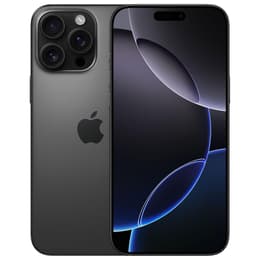
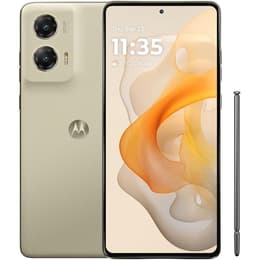
iPhone 16 Pro Max • Unlocked vs Motorola Moto G Stylus 5G (2024) • Unlocked
- 1-year warranty
- Free standard shipping
- Free 30-day returns
Differences at a glance
The iPhone 16 Pro Max (2024) and the Motorola Moto G Stylus 5G (2024) represent two distinct approaches to the modern smartphone market. The iPhone 16 Pro Max operates on iOS as a flagship device built for intensive multimedia workflows, while the Motorola Moto G Stylus 5G runs on Android, focusing on integrated productivity tools and media versatility. While both cater to users needing large screens and modern connectivity, they serve entirely different functional requirements and user preferences.
Available Models
Color
Storage (GB)
Scores
Durability
Long-term usability varies notably between these two releases due to differences in software support lifecycles and hardware construction.
- Software Support Duration: The iPhone 16 Pro Max benefits from an extended multi-year software update schedule typical of Apple flagship hardware, whereas the Motorola Moto G Stylus 5G receives a more limited window of major operating system updates.
- Build and Repairability: The iPhone 16 Pro Max utilizes a titanium frame with advanced front glass protection designed for structural resilience, while the Motorola model features a textured vegan leather back finish that handles daily handling comfortably without a case.
- Expected Lifespan: Users seeking prolonged software relevance over many years will find the iPhone model well-aligned with extended use, whereas the Motorola device serves standard upgrade cycles effectively.
Release Year
2024
2024
Foldable
No
No
Performance
Internal hardware configurations deliver distinct day-to-day responsiveness and multitasking capabilities tailored to different user workloads.
- App Loading and Multitasking: The iPhone 16 Pro Max handles heavy gaming and demanding rendering software smoothly with advanced thermal management, while the Motorola Moto G Stylus 5G manages everyday messaging, web browsing, and casual applications reliably.
- Storage and Expansion: The iPhone model offers fixed high-capacity storage tiers starting from 256GB, whereas the Motorola device provides built-in storage paired with a dedicated microSD card slot for expandable media storage.
- Battery Behavior: Both devices comfortably navigate a standard day of mixed use, though battery endurance under heavy processing demands differs based on background efficiency and capacity management.
Screen quality
Display configurations on both smartphones offer bright, expansive viewing areas optimized for media consumption and text readability.
- Display Technology: The iPhone 16 Pro Max features a vibrant OLED screen with adaptive refresh rates scaling up to 120Hz for fluid scrolling, matching the smooth 120Hz refresh rate found on the Motorola Moto G Stylus 5G's pOLED panel.
- Brightness and Clarity: Both screens maintain clear visibility under bright outdoor sunlight, though the iPhone achieves a higher peak brightness threshold for specialized high-dynamic-range content viewing.
- Screen Real Estate: The iPhone offers a slightly larger display canvas with narrow borders, while the Motorola integrates a built-in physical stylus directly into the chassis for precise note-taking and sketching on screen.
Resolution
1320 x 2868
1080 x 2400
Screen type
LTPO Super Retina XDR OLED
P-OLED
Audiovisual
Optics and audio systems cater to varying priorities, ranging from professional video production to casual snapshot sharing.
- Camera Capabilities: The iPhone 16 Pro Max equips a versatile multi-lens array featuring advanced telephoto zoom and high-resolution ultra-wide options, whereas the Motorola Moto G Stylus 5G relies on a dependable main sensor with optical image stabilization alongside a wide-angle lens and macro capabilities.
- Video and Audio Output: The iPhone supports high-frame-rate cinematic video recording formats and studio-quality microphones, while the Motorola provides stereo speakers tuned with spatial audio enhancement alongside the convenience of a traditional 3.5mm headphone jack.
- Media Consumption: Both devices deliver clear audio output for calls and media playback, though the iPhone leans toward professional content creation tools.
Miscellaneous
Physical design choices and connectivity standards shape how each device fits into everyday routines and accessories.
- Connectivity Standards: Both models support fast 5G cellular networks, modern Wi-Fi protocols, and near-field communication for contactless payments.
- Physical Ports: The iPhone 16 Pro Max utilizes a reversible USB-C connector for charging and data transfer, while the Motorola retains both a USB-C port and a physical headphone jack for wired audio accessories.
- Handling and Form Factor: The iPhone features a heavier titanium build profile, whereas the Motorola is lighter with an ergonomic curved profile designed for comfortable one-handed use.
Weight
185 oz
1 oz
Screen size (inches)
6.9
6.7
Network
5G
5G
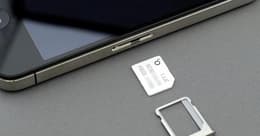
SIM card
eSIM
Physical SIM + eSIM
Carrier compatibility
Unlocked
Unlocked
Connector
USB-C (USB 3)
USB-C + Jack 3.5mm
What the community thinks
Choosing between the iPhone 16 Pro Max and the Motorola Moto G Stylus 5G (2024) depends entirely on individual workflow priorities and preferred software environments. Users prioritizing a physical stylus for handwritten notes, expandable storage flexibility, and the inclusion of a headphone jack will find the Motorola device well-suited to their daily routines. Conversely, users requiring long-term software update longevity, advanced video production optics, and high-performance processing headroom lean naturally toward the Apple flagship. Factual differences in build, operating system ecosystem, and accessory support dictate which option fits a given lifestyle best. For those exploring sustainable purchasing routes, choosing a quality-assured refurbished option provides an eco-friendly alternative that extends device life cycles without compromising on performance standards.