iPhone 8 • Unlocked vs iPhone X • Unlocked

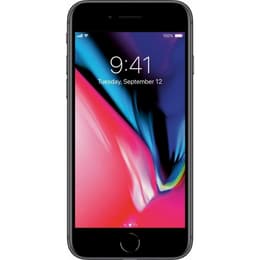
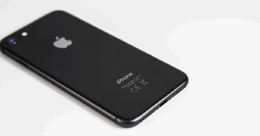
iPhone 8 • Unlocked
iPhone 8 • Unlocked
Starting at

Refurbished price:$85.00

Versus $189.00 new

See options
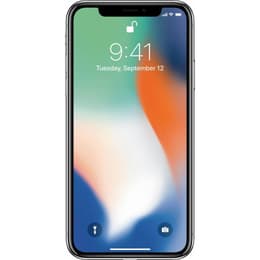
iPhone X • Unlocked
iPhone X • Unlocked
Starting at

Refurbished price:$131.00

Versus $449.00 new

See options

Ratings

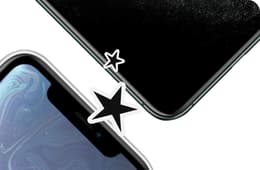
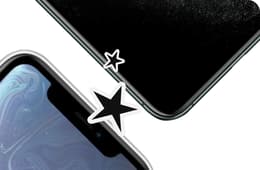
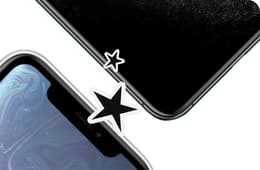
The iPhone 8 and iPhone X, both released in 2017, represent distinct approaches to Apple's smartphone design and technology. While the iPhone 8 maintained the classic iPhone aesthetic with a physical home button, the iPhone X introduced a radical redesign with an edge-to-edge display and facial recognition. Both devices run on the iOS operating system, offering a consistent software experience, but they diverge significantly in their user interaction and display technologies.

Scores

Durability

When considering the practical lifespan of these devices, several factors come into play, including their release timeline, software support, and physical resilience.

  • Release Timeline and Software Support: Both the iPhone 8 and iPhone X were released in 2017, with the iPhone 8 launching in September and the iPhone X following in November. Both models received major iOS updates up to iOS 16.7.15, released in March 2026, indicating a similar software longevity expectation.
  • Repairability: The iPhone 8 received a repairability score of 6 out of 10 from iFixit, with the screen and battery being relatively straightforward to replace. However, the glass back was noted as difficult to replace due to strong adhesive. The iPhone X also scored 6 out of 10, with its display and battery being considered repairable without affecting the Face ID hardware.
  • Expected Practical Lifespan: Users can expect both devices to continue functioning for everyday tasks, though the lack of future major iOS updates means they will eventually miss out on new software features and security enhancements. The physical durability, particularly the glass back on both models, means careful handling is advisable.

Release Year

2017

2017

Last OS Compatibility

No

No

OS

iOS

iOS

Foldable

No

No

Performance

Both the iPhone 8 and iPhone X share the same core processing power, but differences in RAM and display technology can subtly influence their real-world performance for various tasks.

  • Processor Capabilities: Both devices are powered by the A11 Bionic chip, which provides smooth performance for everyday applications, multitasking, and gaming. This chip was designed to handle demanding tasks efficiently.
  • RAM and Multitasking: The iPhone 8 comes with 2GB of RAM, while the iPhone X features 3GB of RAM. This additional RAM in the iPhone X can allow for more applications to remain open in the background without needing to reload, potentially offering a slightly smoother multitasking experience for heavy users.
  • Storage Options: Both models were available with 64GB and 256GB storage capacities, providing ample space for apps, photos, and videos for most users. The iPhone 8 also had a 128GB option.

Memory

2 GB

3 GB

Screen quality

The display is one of the most significant differentiators between the iPhone 8 and iPhone X, impacting visual experience and overall device interaction.

  • Display Technology and Clarity: The iPhone 8 features a 4.7-inch Retina HD LCD display with a resolution of 1334x750 pixels, resulting in a pixel density of 326 ppi. In contrast, the iPhone X introduced a 5.8-inch Super Retina HD OLED display with a higher resolution of 2436x1125 pixels and a pixel density of 458 ppi. The OLED technology in the iPhone X provides deeper blacks and a significantly higher contrast ratio (1,000,000:1) compared to the iPhone 8's LCD (1,400:1).
  • Brightness and Color: Both displays offer True Tone technology, which adjusts the white balance to match ambient light for a more natural viewing experience. Both also support wide color (P3) and have a typical maximum brightness of 625 nits, ensuring good visibility in various lighting conditions.
  • Viewing Experience: The iPhone X's larger, edge-to-edge OLED screen provides a more immersive viewing experience, especially for media consumption, despite the device being only marginally larger than the iPhone 8.

Resolution

750 x 1334

1125 x 2436

Screen type

Retina IPS LCD

Super Retina OLED

Audiovisual

The camera systems on the iPhone 8 and iPhone X offer different capabilities, particularly in terms of hardware and advanced features.

  • Rear Camera System: The iPhone 8 features a single 12-megapixel wide-angle camera with an f/1.8 aperture and optical image stabilization. The iPhone X, however, boasts a dual 12-megapixel rear camera system, including a wide-angle lens (f/1.8) and a telephoto lens (f/2.4), both with optical image stabilization. This telephoto lens enables 2x optical zoom and enhances Portrait Mode capabilities.
  • Photography Performance: Both phones capture clear photos in good lighting. The iPhone X's dual camera system provides more versatility, particularly for zoomed shots and portraits with depth effects, especially in challenging lighting conditions. Both can record 4K video at up to 60 frames per second.
  • Front Camera and Features: Both devices have a 7-megapixel front-facing camera with an f/2.2 aperture. The iPhone X's TrueDepth camera system, however, enables advanced features like Portrait Mode selfies and Animoji, which are not available on the iPhone 8.

Main camera

12 megapixels

12 megapixels

Front camera

7 megapixels

7 megapixels

Miscellaneous

Beyond the core components, several practical elements distinguish the iPhone 8 and iPhone X, influencing daily usability and handling.

  • Biometric Security and Navigation: The iPhone 8 retains the familiar physical home button with Touch ID for fingerprint authentication and navigation. The iPhone X eliminates the home button, relying instead on Face ID for secure facial recognition and gesture-based navigation.
  • Design and Materials: Both phones feature glass backs for wireless charging and are rated IP67 for water and dust resistance. The iPhone 8 has an aluminum frame, while the iPhone X uses a more premium stainless steel frame. The iPhone X's design is characterized by its nearly bezel-less front, while the iPhone 8 maintains traditional bezels.
  • Dimensions and Handling: The iPhone 8 is more compact and lighter, measuring 138.4 x 67.3 x 7.3 mm and weighing 148 grams. The iPhone X is slightly larger and heavier at 143.6 x 70.9 x 7.7 mm and 174 grams, but it accommodates a significantly larger screen within its footprint.

Weight

5 oz

6 oz

Screen size (inches)

4.7

5.8

Network

LTE

LTE

SIM card

Physical SIM

Physical SIM

Carrier compatibility

Unlocked

Unlocked

Connector

Lightning

Lightning

The iPhone 8 and iPhone X, while sharing a release year and core processor, cater to different user preferences through their distinct designs and feature sets. Users often praise the iPhone 8 for its familiar form factor, including the physical home button and Touch ID, which many find intuitive and reliable. Its more traditional design is also frequently cited as being more resilient to accidental drops compared to the iPhone X's expansive glass front.

Conversely, the iPhone X is lauded for its groundbreaking edge-to-edge OLED display, offering a more immersive visual experience with vibrant colors and deep blacks. Its Face ID system and gesture-based navigation were forward-thinking features that defined future iPhone designs. Users appreciate the advanced camera capabilities, particularly the dual rear lenses and Portrait Mode on the front camera. Some users, however, initially found the transition to gesture navigation and the notch design to be a learning curve.

Users prioritizing a classic iPhone experience with a physical home button, a compact size, and potentially greater drop durability may find the iPhone 8 well-suited to their needs. Those who value a modern, immersive display, advanced camera features, and facial recognition technology, and are comfortable with gesture navigation, will likely lean towards the iPhone X. Both devices offer solid performance for everyday tasks thanks to their shared processor. For those seeking a sustainable choice, both models are available as quality-assured refurbished options, extending their lifespan and reducing electronic waste.

See all articles

Our recent comparisons