
iPhone 14 Plus • Unlocked vs iPhone 15 Pro Max • Unlocked

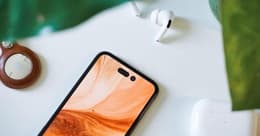
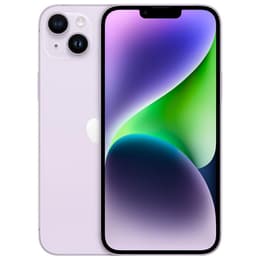
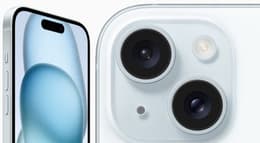
iPhone 14 Plus • Unlocked
Starting at

Refurbished price:$288.84

Versus $729.00 new

See options
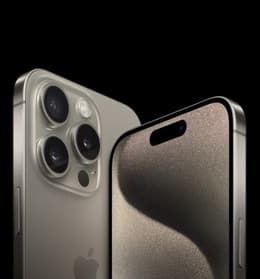
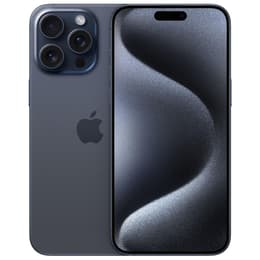
iPhone 15 Pro Max • Unlocked
Starting at

Refurbished price:$552.00

Versus $1,199.00 new

See options

Ratings

The iPhone 14 Plus, released in October 2022, and the iPhone 15 Pro Max, launched in September 2023, are both large-screen smartphones from Apple. While the iPhone 14 Plus focuses on delivering a substantial display and extended battery life in a more accessible package, the iPhone 15 Pro Max represents Apple's premium offering with advanced camera capabilities, a more powerful processor, and a refined design. Both devices run on Apple's iOS, ensuring a consistent software experience, though the 15 Pro Max launched with a newer version.

Scores

Durability

When considering the long-term usability of these devices, several factors come into play, including their release timelines, software support, and physical durability.

  • Release Timeline and Software Support: The iPhone 14 Plus, released in October 2022, launched with iOS 16. The iPhone 15 Pro Max, released in September 2023, launched with iOS 17. Apple typically provides 5-7 years of major iOS updates for its iPhones, with security updates extending even further. This means the iPhone 15 Pro Max is expected to receive major software updates for approximately one year longer than the iPhone 14 Plus, potentially until 2030 or 2031 for the 15 Pro Max, compared to 2029 for the 14 Plus.
  • Physical Durability and Materials: Both models feature Ceramic Shield front covers and are rated IP68 for dust and water resistance. The iPhone 14 Plus uses an aluminum frame, while the iPhone 15 Pro Max incorporates a titanium frame, which contributes to a lighter feel for its size.
  • Repairability: Initial assessments gave the iPhone 15 Pro Max a lower repairability score (4 out of 10) compared to its predecessor, partly due to the difficulty of battery removal. However, subsequent updates and software changes have reportedly improved the repairability score for iPhone 15 models to 7 out of 10, allowing for easier part calibration. The iPhone 14 Plus was noted for being easier and cheaper to repair than the 14 Pro Max at its release.

Release Year

2022

2023

Last OS Compatibility

Yes

Yes

OS

iOS

iOS

Foldable

No

No

Performance

The performance of these two iPhones differs primarily due to their internal processing components and RAM configurations.

  • Processing Power: The iPhone 14 Plus is equipped with a powerful processor that handles everyday applications and multitasking smoothly. It provides a responsive experience for general use, including web browsing, social media, and most mobile games. The iPhone 15 Pro Max features a newer, more advanced processor. This translates to faster app loading times, smoother transitions, and enhanced capabilities for demanding tasks such as high-fidelity gaming, professional video editing, and complex computational photography.
  • Multitasking and Responsiveness: The iPhone 14 Plus comes with 6GB of RAM, which is sufficient for managing multiple applications simultaneously without significant slowdowns. The iPhone 15 Pro Max includes 8GB of RAM, offering additional headroom for intensive multitasking and ensuring that more applications can remain active in the background, contributing to an even more fluid user experience, particularly for power users.
  • Storage Options: Both devices offer various internal storage configurations. The iPhone 14 Plus is available with 128GB, 256GB, or 512GB of storage. The iPhone 15 Pro Max starts at 256GB and goes up to 512GB or 1TB, catering to users who require more space for apps, photos, and videos.

Memory

6 GB

8 GB

Screen quality

Both devices offer large, vibrant displays, but there are notable differences in their underlying technology and capabilities.

  • Display Technology and Refresh Rate: The iPhone 14 Plus features a 6.7-inch Super Retina XDR OLED display with a standard 60Hz refresh rate. This provides good clarity and color reproduction for most content. The iPhone 15 Pro Max also has a 6.7-inch Super Retina XDR OLED display, but it incorporates ProMotion technology, offering an adaptive refresh rate that can go up to 120Hz. This results in noticeably smoother scrolling, more fluid animations, and a more responsive feel, especially during gaming or fast-paced content consumption.
  • Brightness and Clarity: Both screens deliver excellent clarity and vibrant colors. The iPhone 14 Plus offers a peak brightness of 1200 nits for HDR content. The iPhone 15 Pro Max, however, can reach a higher peak brightness of 2000 nits, making it more visible in bright outdoor conditions and enhancing the viewing experience for HDR content.
  • Screen Features: A key distinction is the presence of the Dynamic Island on the iPhone 15 Pro Max, which replaces the traditional notch found on the iPhone 14 Plus. The Dynamic Island integrates alerts, notifications, and ongoing background activities into an interactive area at the top of the display.

Resolution

1284 x 2778

1290 x 2796

Screen type

Super Retina XDR OLED

LTPO Super Retina XDR OLED

Audiovisual

The camera systems on these two iPhones cater to different levels of photography and videography needs.

  • Rear Camera System: The iPhone 14 Plus features a dual-camera system with a 12MP main wide-angle lens and a 12MP ultra-wide-angle lens. It is capable of capturing detailed photos in good lighting and offers decent performance in low-light conditions. The iPhone 15 Pro Max boasts a more advanced triple-camera system, including a 48MP main sensor, a 12MP ultra-wide lens, and a 12MP telephoto lens with 5x optical zoom. This telephoto lens provides significantly greater zoom capabilities and versatility for capturing distant subjects or detailed portraits.
  • Photography Performance: The 15 Pro Max's larger main sensor and advanced image processing contribute to superior low-light performance, capturing more detail and better dynamic range compared to the 14 Plus. The 48MP main camera on the 15 Pro Max also allows for more flexibility in cropping and editing images while retaining quality.
  • Video Recording and Features: Both phones support 4K video recording at various frame rates. The iPhone 15 Pro Max offers additional professional video features, such as ProRes video recording and the ability to record spatial video for compatible viewing devices. Its improved stabilization and overall sensor capabilities also contribute to higher quality video capture.
  • Audio and Speakers: Both models provide stereo speaker output for media consumption and clear microphone quality for calls and recordings.

Main camera

12 megapixels

48 megapixels

Front camera

12 megapixels

12 megapixels

Miscellaneous

Beyond the core features, several practical elements differentiate the iPhone 14 Plus and iPhone 15 Pro Max.

  • Connectivity and Ports: Both devices support 5G cellular connectivity and modern Wi-Fi standards. A significant difference lies in their charging and data ports. The iPhone 14 Plus uses Apple's proprietary Lightning port. The iPhone 15 Pro Max, however, transitions to a USB-C port, which offers faster data transfer speeds (USB 3) and broader compatibility with accessories and chargers.
  • Biometric Security: Both models utilize Face ID for secure facial recognition, enabling secure unlocking and authentication for payments and apps.
  • Physical Characteristics: The iPhone 14 Plus measures 160.8 x 78.1 x 7.8 mm and weighs 203 grams. The iPhone 15 Pro Max is slightly more compact in height and width at 159.9 x 76.7 x 8.25 mm, but it is slightly thicker and heavier at 221 grams. Despite being heavier, the titanium frame of the 15 Pro Max can make it feel lighter in hand compared to previous Pro Max models.
  • Additional Features: The iPhone 15 Pro Max introduces a customizable Action Button, replacing the traditional mute switch, which can be programmed for various functions like launching the camera, voice recorder, or accessibility features.

Weight

7 oz

221 oz

Screen size (inches)

6.7

6.7

Network

5G

5G

SIM card

eSIM

eSIM

Carrier compatibility

Unlocked

Unlocked

Connector

Lightning

USB-C (USB 3)

The iPhone 14 Plus and iPhone 15 Pro Max cater to users with distinct priorities. User feedback for the iPhone 14 Plus frequently highlights its exceptional battery life as a major advantage, often lasting two days for moderate users. Its large display is also praised for media consumption and general use. Criticisms often point to its 60Hz display and the use of a previous-generation processor, which some users felt limited its 'newness' compared to the Pro models of its generation.

The iPhone 15 Pro Max receives consistent praise for its powerful performance, versatile camera system with significant optical zoom, and the introduction of the USB-C port. Users appreciate the smoother experience provided by the 120Hz ProMotion display and the interactive Dynamic Island. Some common concerns have included initial reports of overheating (largely addressed by software updates) and its higher weight compared to the 14 Plus, though the titanium frame makes it lighter than its direct predecessor.

Users prioritizing a large screen and outstanding battery longevity for everyday tasks will find the iPhone 14 Plus well-suited to their needs. It offers a reliable and robust smartphone experience without the premium features of the Pro line. Conversely, users who demand the latest in mobile photography, top-tier processing power for demanding applications and gaming, and the benefits of a high refresh rate display and USB-C connectivity will lean towards the iPhone 15 Pro Max. Both devices offer a quality experience, and choosing between them often comes down to whether advanced features and cutting-edge performance outweigh the more straightforward, battery-focused approach of the 14 Plus. For those seeking an eco-friendly and quality-assured alternative, both models are available as refurbished options.

See all articles

Our recent comparisons