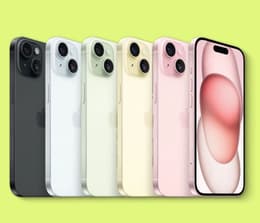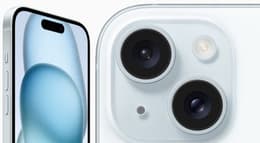
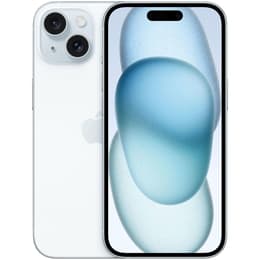

iPhone 14 • Locked AT&T vs iPhone 15 • Locked T-Mobile

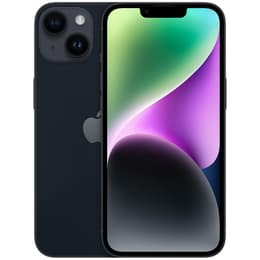
iPhone 14 • Locked AT&T
Starting at

Refurbished price:$206.00

Versus $629.00 new

See options
iPhone 15 • Locked T-Mobile
Starting at

Refurbished price:$379.00

Versus $699.00 new

See options

Ratings

The iPhone 14, released in September 2022, and the iPhone 15, launched in September 2023, represent consecutive generations within Apple's standard smartphone lineup. While both devices operate on Apple's iOS platform and share a similar form factor, the iPhone 15 introduces several notable enhancements, including an updated processor, a more advanced camera system, and a modernized charging port. These differences aim to refine the user experience and offer improved capabilities for everyday tasks.

Scores

Durability

When considering the long-term usability of a smartphone, factors such as software support, physical resilience, and overall expected lifespan are important. Both the iPhone 14 and iPhone 15 are built with durability in mind, featuring robust materials and water resistance.

  • Release Timeline and OS Support: The iPhone 14 was released in September 2022, while the iPhone 15 followed in September 2023. This means the iPhone 15 will likely receive software updates for approximately one year longer than its predecessor, extending its functional lifespan. Users can generally expect around 5-6 years of major iOS updates from Apple for these models.
  • Physical Durability: Both models feature a Ceramic Shield front cover, designed to offer enhanced drop performance. The iPhone 15 introduces a color-infused glass back and slightly contoured edges, which some users find more comfortable to hold. Both devices maintain an IP68 rating for dust and water resistance, allowing submersion up to 6 meters for 30 minutes.
  • Repairability: While both phones are designed with internal components that require specialized tools for repair, the iPhone 15's internal design has been noted to potentially offer slightly improved repairability for certain components compared to previous generations. The replaceable back glass on the iPhone 15 may also make some repairs easier and less costly.

Release Year

2022

2023

Last OS Compatibility

Yes

Yes

OS

iOS

iOS

Foldable

No

No

Performance

The performance of a smartphone significantly impacts daily usage, from launching applications to handling demanding tasks. Both the iPhone 14 and iPhone 15 deliver smooth experiences, but the newer model incorporates a more capable processing unit.

  • Processor Capabilities: The iPhone 14 is powered by the A15 Bionic chip, which was also found in the iPhone 13 Pro models. The iPhone 15, however, features the A16 Bionic chip, previously seen in the iPhone 14 Pro models. This newer chip in the iPhone 15 provides faster CPU and GPU speeds, leading to a more responsive overall experience.
  • Real-World Responsiveness: For everyday activities like web browsing, social media, and general app usage, both phones offer fluid performance. However, the iPhone 15's more advanced processor allows for quicker app loading times, smoother transitions, and more efficient handling of graphically intensive games or complex photo and video editing tasks. Users engaging in heavy multitasking or running demanding applications will likely notice the performance gains on the iPhone 15.
  • Battery Behavior: The iPhone 14 has a 3279 mAh battery, while the iPhone 15 has a slightly larger 3349 mAh battery. Both models are generally capable of lasting a full day with typical usage, offering up to 20 hours of video playback. Some real-world tests indicate the iPhone 15 can offer slightly longer screen-on time due to the more efficient A16 Bionic chip, though results can vary based on usage patterns. The iPhone 15 also introduces new battery health features, allowing users to set a charging limit to prolong battery longevity.

Memory (GB)

6 GB

6 GB

Screen quality

The display is a primary interface for any smartphone, and both the iPhone 14 and iPhone 15 offer high-quality viewing experiences, though the newer model brings some notable advancements.

  • Display Technology and Resolution: Both devices feature a 6.1-inch Super Retina XDR OLED display, providing deep blacks and vibrant colors. The iPhone 14 has a resolution of 2532 x 1170 pixels, while the iPhone 15 has a slightly higher resolution of 2556 x 1179 pixels, resulting in a similar pixel density of approximately 460 pixels per inch.
  • Brightness Levels: A significant upgrade on the iPhone 15 is its enhanced brightness. It offers a typical maximum brightness of 1000 nits, a peak HDR brightness of 1600 nits, and an impressive peak outdoor brightness of 2000 nits. In contrast, the iPhone 14 has a typical maximum brightness of 800 nits and a peak HDR brightness of 1200 nits. This higher brightness on the iPhone 15 improves visibility in bright outdoor conditions.
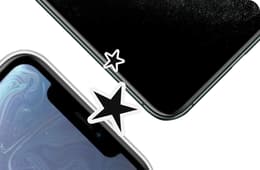
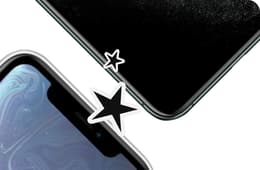
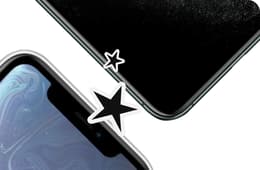
  • Design and User Interface: The iPhone 14 features a traditional notch at the top of its display. The iPhone 15, however, adopts the Dynamic Island, a pill-shaped cutout that dynamically expands and contracts to display alerts, notifications, and ongoing background activities. This feature provides a more modern and interactive user interface. Both phones maintain a standard 60Hz refresh rate.

Resolution

1170 x 2532

1179 x 2556

Screen type

Super Retina XDR OLED

Super Retina XDR OLED

Audiovisual

Camera capabilities are a key consideration for many users, and the iPhone 15 brings substantial improvements to its imaging system compared to the iPhone 14.

  • Main Camera System: The iPhone 14 features a dual-camera system with a 12-megapixel main wide lens and a 12-megapixel ultra-wide lens. The iPhone 15 significantly upgrades this with a 48-megapixel main wide sensor and a 12-megapixel ultra-wide lens. The larger sensor and higher megapixel count on the iPhone 15 allow for capturing more detail and improved performance in various lighting conditions.
  • Zoom and Photography Features: The 48-megapixel main camera on the iPhone 15 enables 2x optical-quality telephoto zoom by cropping into the high-resolution sensor, offering more versatile framing options without significant loss of quality. The iPhone 14 relies on digital zoom for anything beyond its native focal lengths. Both phones include features like Night mode, Deep Fusion, and Photographic Styles. The iPhone 15 also benefits from enhanced computational photography, leading to improved image clarity and color accuracy, particularly in low-light environments.
  • Video Recording and Front Camera: Both models support 4K video recording at up to 60 frames per second. The iPhone 15 enhances Cinematic Mode to support 4K resolution at 30 frames per second. Both devices feature a 12-megapixel front-facing camera for selfies and video calls, offering similar performance in this regard.

Main camera

12 megapixels

48 megapixels

Front camera

12 megapixels

12 megapixels

Miscellaneous

Beyond the core specifications, several practical elements contribute to the overall user experience and differentiate these two iPhone models.

  • Connectivity and Ports: Both the iPhone 14 and iPhone 15 support 5G connectivity and the latest Wi-Fi standards for fast wireless internet. A notable change is the charging port: the iPhone 14 uses Apple's proprietary Lightning port, while the iPhone 15 adopts the universal USB-C port. This transition on the iPhone 15 allows for greater compatibility with a wider range of accessories and chargers.
  • Design and Handling: The iPhone 14 features a flat-edged aluminum frame. The iPhone 15 retains an aluminum frame but introduces slightly contoured edges and a color-infused glass back, which can make the device feel more comfortable to hold. The weight difference is minimal, with the iPhone 15 being slightly lighter at 171 grams compared to the iPhone 14's 172 grams.
  • Sensors and Other Features: Both phones include Face ID for secure authentication. The iPhone 14 introduced Emergency SOS via satellite, a feature also present in the iPhone 15. The iPhone 15 also brings the Dynamic Island to the standard model, which was previously exclusive to the Pro lineup.

Weight

6 oz

171 oz

Screen size (inches)

6.1

6.1

Network

5G

5G

SIM card

eSIM

eSIM

Carrier compatibility

AT&T

T-Mobile

Connector

Lightning

USB-C (USB 2)

User sentiment often highlights the iPhone 15 as a significant upgrade over the iPhone 14, particularly due to the inclusion of the Dynamic Island, the more powerful A16 Bionic chip, and the versatile 48-megapixel main camera. Many users appreciate the switch to USB-C for its universal compatibility and faster charging capabilities. Common praise for the iPhone 15 also includes its improved screen brightness and the refined design with contoured edges, which some find more comfortable.

Conversely, some users of the iPhone 14 still find it to be a highly capable device for everyday use, especially if their needs don't demand the latest features. Criticisms of the iPhone 14 often centered on its similarity to the iPhone 13, with some feeling it lacked substantial innovation at its release. While the iPhone 15 offers clear advancements, some discussions suggest that the battery life, while good, might not always show a dramatic improvement over the iPhone 14 in all scenarios.

Users prioritizing the latest camera technology, a more interactive display experience with the Dynamic Island, and the convenience of USB-C connectivity will find the iPhone 15 well-suited to their needs. It offers a more future-ready experience with its newer processor and extended software support timeline. For individuals seeking a reliable and high-performing smartphone for general use, and who may not require the absolute newest features, the iPhone 14 remains a strong contender. Both devices offer a quality experience, and choosing a quality-assured refurbished option for either model can be an eco-friendly alternative for consumers.


See all articles

Our recent comparisons