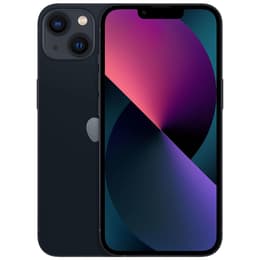
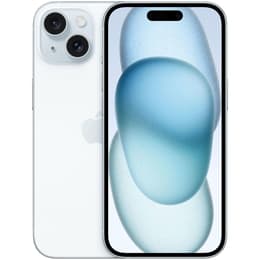

iPhone 13 • Unlocked vs iPhone 15 • Locked T-Mobile

iPhone 13 • Unlocked
Starting at

Refurbished price:$218.00

Versus $629.00 new

See options
iPhone 15 • Locked T-Mobile
Starting at

Refurbished price:$379.00

Versus $699.00 new

See options

Ratings

The iPhone 13, released in September 2021, and the iPhone 15, launched in September 2023, represent two distinct generations of Apple's standard smartphone line. While both devices operate on Apple's iOS ecosystem and share a similar form factor, the iPhone 15 introduces notable advancements in camera technology, display features, and connectivity, setting it apart from its predecessor.

Scores

Durability

When considering the longevity of these devices, several factors come into play, including software support, physical durability, and ease of repair.

  • Release Timeline: The iPhone 13 was released in September 2021, while the iPhone 15 followed two years later in September 2023. This two-year difference means the iPhone 15 will generally receive software updates for a longer period, extending its functional lifespan. [1, 14, 15]
  • Software Longevity: Both models run on the same iOS platform, ensuring a consistent user experience. However, the iPhone 15, being newer, is expected to receive major iOS updates for approximately one to two years longer than the iPhone 13, offering extended access to new features and security enhancements. [14, 15]
  • Repairability: The iPhone 13 initially received a repairability score of 5.5 out of 10 from iFixit, which later improved to 6 out of 10 with a software update addressing Face ID repair issues. [6, 7, 10, 17, 23] The iPhone 15, on the other hand, has a higher repairability score of 7 out of 10, indicating a more modular design that facilitates easier component replacement. [3, 31] This suggests that the iPhone 15 may be more straightforward to maintain and repair over its lifespan.

Release Year

2021

2023

Last OS Compatibility

Yes

Yes

OS

iOS

iOS

Foldable

No

No

Performance

The performance of a smartphone is crucial for daily tasks, from browsing and social media to demanding applications and gaming. Both the iPhone 13 and iPhone 15 offer robust performance, though the newer model brings enhancements.

  • Processing Power: The iPhone 13 is powered by a capable processor that handles everyday applications and multitasking smoothly. The iPhone 15 features a newer, more advanced processor, which provides a noticeable boost in overall speed and efficiency. This translates to faster app loading times and a more responsive experience, particularly with graphically intensive games and complex applications. [1, 5, 13, 32]
  • Multitasking and Responsiveness: The iPhone 15 includes 6GB of RAM, an increase from the 4GB found in the iPhone 13. [5, 8, 13, 16] This additional memory allows the iPhone 15 to manage more applications simultaneously without needing to reload them, contributing to a smoother multitasking experience. Users who frequently switch between multiple apps or keep many tabs open will likely appreciate this improvement.
  • Battery Behavior: The iPhone 13 generally offers reliable all-day battery life for typical usage. The iPhone 15, with its slightly larger battery capacity and more efficient processor, provides a modest improvement in battery endurance. [1, 2, 4, 35, 41] Apple claims the iPhone 15 can offer an extra hour of video playback or five additional hours of audio playback compared to the iPhone 13. [1, 2] For heavy users, this extended uptime on the iPhone 15 can be a practical advantage.

Memory (GB)

4 GB

6 GB

Screen quality

The display is a primary interface for smartphone interaction, and both the iPhone 13 and iPhone 15 feature high-quality screens, with the iPhone 15 introducing some key upgrades.

  • Display Technology and Clarity: Both devices feature 6.1-inch Super Retina XDR OLED displays, offering vibrant colors, deep blacks, and excellent contrast. [1, 2, 27] The resolution is very similar, providing sharp and clear visuals for text, images, and videos. [1, 2]
  • Brightness Levels: A significant difference lies in brightness. The iPhone 13 has a peak brightness of 1200 nits, which is ample for most indoor and outdoor conditions. The iPhone 15, however, can reach up to 2000 nits of peak brightness, making it considerably easier to view content clearly in bright sunlight or challenging outdoor lighting environments. [1, 2, 26]
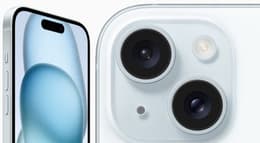
  • Design and Interaction: The iPhone 13 features a traditional notch at the top of its display, housing the front camera and Face ID sensors. The iPhone 15 replaces this with the Dynamic Island, a pill-shaped cutout that dynamically expands and contracts to display alerts, notifications, and ongoing background activities, offering a more integrated and interactive user experience. [2, 5, 26]

Resolution

1170 x 2532

1179 x 2556

Screen type

Super Retina XDR OLED

Super Retina XDR OLED

Audiovisual

Camera capabilities are a major consideration for many users, and the iPhone 15 brings substantial advancements over the iPhone 13's already capable system.

  • Main Camera System: The iPhone 13 features a dual-camera system with a 12-megapixel main sensor and a 12-megapixel ultra-wide sensor. [1] The iPhone 15 significantly upgrades the main camera to a 48-megapixel sensor, paired with a 12-megapixel ultra-wide lens. [1, 8, 13, 22, 27] This higher megapixel count on the iPhone 15 allows for more detailed photos, especially in good lighting, and enables a 2x optical zoom option through sensor cropping, which the iPhone 13 lacks. [1, 13, 22, 30]
  • Low-Light and Photography Features: The iPhone 15 offers improved low-light performance compared to the iPhone 13, capturing richer detail and less grain in challenging lighting conditions. [22, 30] It also benefits from Apple's Photonic Engine and Smart HDR 5, which enhance image processing for better dynamic range and color accuracy, compared to the iPhone 13's Smart HDR 4. [22, 28]
  • Video Recording and Front Camera: Both phones offer high-quality video recording, including 4K at 60 frames per second. The iPhone 15 introduces Action Mode for smoother, stabilized video capture, which is not available on the iPhone 13. [22, 28] The front-facing cameras on both are 12-megapixel, but the iPhone 15's has a slightly wider aperture, allowing it to capture more light for improved selfies, especially in dimmer settings. [22]

Main camera

12 megapixels

48 megapixels

Front camera

12 megapixels

12 megapixels

Miscellaneous

Beyond the core features, several practical elements differentiate the iPhone 13 and iPhone 15, impacting daily usability and connectivity.

  • Connectivity and Ports: A key distinction is the charging port. The iPhone 13 uses Apple's proprietary Lightning port, while the iPhone 15 adopts the universal USB-C standard. [2, 5, 13, 25, 34] This change on the iPhone 15 offers broader compatibility with accessories and potentially faster data transfer speeds, although wired charging speeds remain similar for both models. [2, 4, 34] Both devices support 5G cellular connectivity and Wi-Fi 6, but the iPhone 15 features Bluetooth 5.3, a newer standard than the iPhone 13's Bluetooth 5.0, offering improved efficiency and connection stability. [5, 8, 27, 36]
  • Build Materials and Handling: The iPhone 13 features a flat-edged design with an aluminum frame and a glossy glass back. The iPhone 15 retains the aluminum frame but introduces subtly contoured edges and a color-infused matte glass back, which some users find offers a more comfortable grip and is less prone to fingerprints. [1, 25, 28] Both phones carry an IP68 rating for dust and water resistance. [1, 8]
  • Weight and Dimensions: The physical dimensions of both phones are very similar, with the iPhone 15 being marginally taller, wider, and thicker, but also slightly lighter at 171 grams compared to the iPhone 13's 174 grams. [1, 26] These differences are minor and unlikely to significantly impact handling for most users.

Weight

6 oz

171 oz

Screen size (inches)

6.1

6.1

Network

5G

5G

SIM card

Physical SIM + eSIM

eSIM

Carrier compatibility

Unlocked

T-Mobile

Connector

Lightning

USB-C (USB 2)

User feedback on platforms like Reddit indicates that the iPhone 13 is still widely regarded as a capable and reliable device, offering excellent performance and camera quality for its generation. [29, 33, 39] Many users praise its enduring speed and solid battery life. [29, 38] However, common concerns for the iPhone 13 revolve around its eventual end of software support and the Lightning port, which is becoming less common in the broader tech landscape. [39, 40]

The iPhone 15 is frequently lauded for its significant camera upgrades, particularly the 48-megapixel main sensor and 2x optical zoom, as well as the introduction of the Dynamic Island for a more modern and interactive display. [29, 33, 39] The switch to USB-C is also a highly appreciated feature for its convenience and universal compatibility. [29, 33, 38] Some users, however, note that while the iPhone 15 offers improvements, the overall performance jump from the iPhone 13 might not feel revolutionary for everyday tasks, and some have reported similar battery life experiences. [1, 4, 29, 33, 39]

Users prioritizing the latest camera technology, a more interactive display experience with the Dynamic Island, and the convenience of USB-C connectivity will find the iPhone 15 well-suited to their needs. Its longer software support timeline also makes it a compelling choice for those seeking to keep their device for many years. Conversely, users who are content with strong performance for daily tasks, a capable camera system, and prefer a more traditional notch design might find the iPhone 13 to be a practical option. Both devices offer a quality-assured refurbished option, providing an eco-friendly alternative for consumers.
See all articles

Our recent comparisons