Compare models
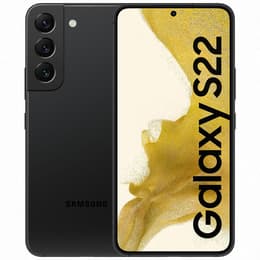
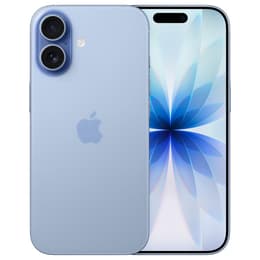
Galaxy S22 5G • Unlocked vs iPhone 17 • Unlocked
- 1-year warranty
- Free standard shipping
- Free 30-day returns
Differences at a glance
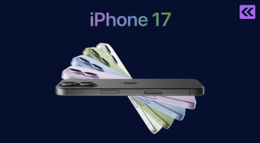
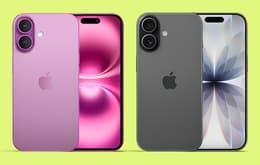
The Samsung Galaxy S22 5G (2022) and the Apple iPhone 17 (2025) represent different generations and ecosystems in the smartphone market, offering distinct approaches to everyday mobile technology. While the Galaxy S22 runs on Android with Samsung's One UI, the iPhone 17 operates on Apple's iOS platform. These devices vary significantly in release year, processing capability, and hardware layout, making them suited for users with contrasting ecosystem preferences and functional needs.
Available Models
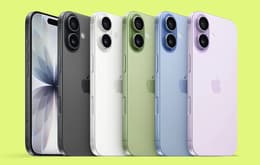
Color
Storage (GB)
Scores
Durability
When evaluating hardware longevity and software support, both devices handle routine updates differently based on their respective release schedules and manufacturer policies.
- Software Support: The iPhone 17 benefits from a later release year, ensuring extended operating system upgrades and security patches over time compared to the earlier-generation Galaxy S22.
- Build Resilience: Both models incorporate durable glass and aluminum or armor-aluminum framing with IP68 water and dust resistance, helping them withstand daily wear and tear.
- Lifespan Outlook: Users choosing a quality-assured refurbished option can extend the operational life of these devices while reducing electronic waste through sustainable purchasing habits.
Release Year
2022
2025
Last OS Compatibility
Yes
Yes
OS
Android
iOS
Foldable
No
No
Performance
System responsiveness and daily multitasking capabilities vary across both models, reflecting their generational gaps in hardware design and memory allocation.
- App Multitasking: The iPhone 17 features increased RAM capacity and efficient processing architecture that handle demanding applications and rapid switching smoothly.
- Processing Power: The Galaxy S22 relies on an earlier-generation flagship processor that manages standard web browsing, messaging, and casual media consumption effectively, though heavy gaming may cause warmth over extended periods.
- Battery Behavior: The iPhone 17 typically delivers longer endurance during heavy video playback and mixed usage, whereas the Galaxy S22's smaller battery capacity often requires a midday recharge for intensive users.
Screen quality
Visual clarity and display performance differ noticeably in refresh rate technology, outdoor brightness peaks, and panel dimensions.
- Display Technology: Both models utilize vibrant OLED panels that deliver deep blacks and high contrast ratios, though the iPhone 17 incorporates a slightly larger 6.3-inch screen with advanced adaptive refresh rates.
- Outdoor Legibility: The iPhone 17 reaches higher peak outdoor brightness levels, making on-screen text easier to read under direct sunlight.
- Smoothness: Both devices offer fluid scrolling and responsive touch interaction, with adaptive scaling that adjusts smoothness based on the active content.
Resolution
1080 x 2340
2622x1206
Screen type
Dynamic AMOLED 2X
Super Retina XDR
Audiovisual
Optics and multimedia configurations provide versatile recording options for everyday photography, video creation, and audio output.
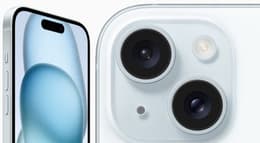
- Camera Hardware: The Galaxy S22 includes a dedicated telephoto lens for optical zoom framing, while the iPhone 17 utilizes high-resolution primary and ultra-wide sensors with digital crop capabilities.
- Video and Low Light: Both platforms excel at capturing balanced low-light images and stable video recording, though processing styles differ between Samsung's vivid color tuning and Apple's natural tone reproduction.
- Media Consumption: Stereo speakers on both units deliver clear audio output for hands-free calls, podcasts, and casual video streaming.
Main camera
50 megapixels
48 megapixels
Front camera
10 megapixels
18 megapixels
Miscellaneous
Practical daily usability elements such as connectivity, physical dimensions, and biometric security shape how each device fits into routine handling.
- Physical Design: The Galaxy S22 provides a notably compact and lightweight form factor for single-handed use, while the iPhone 17 offers a slightly taller profile with modern flat edges.
- Connectivity: The iPhone 17 supports advanced wireless standards including Wi-Fi 7 and updated Bluetooth protocols, alongside a universal USB-C port.
- Biometrics: Security is handled via facial recognition on the Apple device and an in-display ultrasonic fingerprint sensor on the Samsung model.
Weight
6 oz
185 oz
Screen size (inches)
6.1
6.3
Network
5G
5G
SIM card
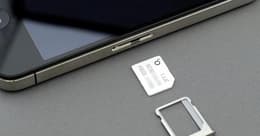
Physical SIM + eSIM
eSIM
Carrier compatibility
Unlocked
Unlocked
What the community thinks
User feedback from online communities highlights distinct community perspectives for both smartphones. Galaxy S22 owners frequently praise its compact physical footprint, comfortable ergonomics, and reliable daily performance for basic tasks. However, some users note that battery endurance under heavy usage can be limiting. Conversely, iPhone 17 users frequently commend its extended battery longevity, bright outdoor display, and rapid system responsiveness, though some mention that transitioning between operating systems requires an adjustment period.
Users prioritizing a pocket-friendly form factor and integration with the Android ecosystem may prefer the Galaxy S22. Meanwhile, users prioritizing maximum battery endurance, a larger high-refresh display, and long-term software support may lean toward the iPhone 17. Selecting either model as a quality-assured refurbished option provides a sustainable, eco-friendly alternative that aligns personal technology needs with environmental responsibility.