Compare models

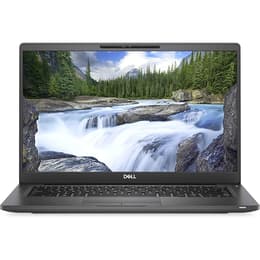
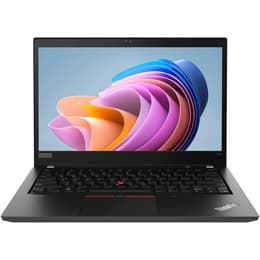
Dell Latitude 7400 14" vs Lenovo ThinkPad T14 G1 14"

  • 1-year warranty
  • Free standard shipping
  • Free 30-day returns
Dell Latitude 7400 14"
Starting at

Refurbished price:$276.00

Versus $609.99 new

See options
Lenovo ThinkPad T14 G1 14"
Starting at

Refurbished price:$374.00

Versus $485.98 new

See options

Differences at a glance

The Dell Latitude 7400 14" (released in 2019) and the Lenovo ThinkPad T14 Gen 1 14" (released in 2020) are business-class laptops designed for productivity, reliability, and everyday professional tasks. While both feature 14-inch form factors and run on Windows operating systems, they differ in their generation timelines and physical design approaches. Choosing between them depends on whether users prioritize compact chassis engineering or traditional enterprise connectivity and keyboard layout.

Available Models

Storage (GB)

Processor

Memory (GB)

Scores

Durability

When examining longevity and update support, both business notebooks benefit from corporate driver availability and compatibility with modern operating systems, though their release years introduce slight differences in total active lifespan.

  • Release timeline and support: The Lenovo ThinkPad T14 Gen 1 launched one year after the Dell Latitude 7400, extending driver support and firmware updates slightly further into the decade.
  • Repairability and build: Both models offer modular internal layouts with accessible components, making professional maintenance and component replacements straightforward for long-term use.
  • Practical lifespan: Users can expect reliable multi-year performance from either machine, particularly when choosing a quality-assured refurbished option that extends device utility sustainably.

Release Year

2019

2020

OS

Windows 11

Windows 11

Performance

Both laptops handle standard office suites, web browsing, and multitasking efficiently, though their hardware configurations and thermal behaviors shape day-to-day responsiveness under heavier workloads.

  • Storage and multitasking: Both devices support high-speed solid-state drives and sufficient memory configurations to keep multiple applications running concurrently without noticeable system stutter.
  • Everyday responsiveness: Apps load quickly and system transitions remain smooth during standard web navigation, document editing, and video conferencing tasks.
  • Battery behavior: The Dell Latitude 7400 utilizes a power-efficient chassis design, whereas the Lenovo ThinkPad T14 Gen 1 offers consistent battery delivery that easily accommodates a standard workday of mixed tasks.

Graphic card

Integrated Graphics

Integrated Graphics

Screen quality

Display performance across both 14-inch notebooks focuses on visual clarity, readability, and comfort during extended reading and spreadsheet management sessions.

  • Display technology: Both laptops feature clear panels with matte finishes that successfully minimize distracting reflections from overhead office lighting or bright windows.
  • Resolution and clarity: Standard configurations provide crisp text rendering and sharp details suitable for professional documents, research, and media playback.
  • Brightness and viewing: Adequate brightness levels ensure content remains legible in diverse indoor environments, though heavy outdoor use may require shunning direct sunlight.

Resolution

1920 x 1080

1920 x 1080

Audiovisual

Multimedia capabilities in these enterprise machines prioritize clear communication during remote meetings alongside balanced sound output for daily media consumption.

  • Camera and video: Integrated webcams deliver adequate picture quality for virtual meetings and video calls under standard indoor lighting conditions.
  • Microphone performance: Built-in multi-array microphones capture voice input clearly, reducing background office noise to keep speech intelligible during conversations.
  • Speaker output: Down-firing and keyboard-adjacent speaker placements provide balanced audio for conference calls, podcasts, and casual video streaming.

Miscellaneous

Physical design, port selections, and handling characteristics represent major points of divergence between these two enterprise-grade portable computers.

  • Connectivity and ports: The Lenovo ThinkPad T14 Gen 1 includes a native Ethernet port alongside USB-C and traditional USB connections, while the Dell Latitude 7400 leans into a slimmer profile relying on modern universal ports and optional adapters.
  • Input experience: The ThinkPad features a signature tactile keyboard layout with a center TrackPoint, whereas the Latitude offers a flatter, low-profile typing deck geared toward traditional typing styles.
  • Dimensions and handling: The Dell Latitude 7400 presents a slightly more tapered, compact aluminum profile, while the Lenovo ThinkPad T14 Gen 1 utilizes a rugged, utilitarian chassis built for durability.

Weight

68 oz

4 oz

Screen size

14

14

What the community thinks

Community discussions and user forums frequently highlight the Dell Latitude 7400 for its sleek build quality, refined aesthetic, and comfortable portability for traveling professionals. Common praise centers on its sturdy metal chassis and reliable day-to-day efficiency. At the same time, users often note that its port selection is more streamlined, requiring adapters for legacy accessories. Conversely, the Lenovo ThinkPad T14 Gen 1 receives widespread praise for its legendary keyboard tactile feedback, robust port array including full-sized HDMI and Ethernet, and sturdy enterprise-grade construction. Criticisms for the ThinkPad occasionally mention its slightly heavier footprint compared to ultra-slim alternatives.

Users prioritizing a slimmer physical profile and traditional metal styling may prefer the Dell Latitude 7400, while users prioritizing extensive built-in ports and a distinct mechanical typing feel will likely lean toward the Lenovo ThinkPad T14 Gen 1. Both laptops offer reliable performance for students, remote workers, and office professionals alike. For those seeking an eco-friendly alternative, opting for a quality-assured refurbished laptop provides a sustainable way to acquire either device without compromising on operational dependability.


Our recent comparisons