Compare models
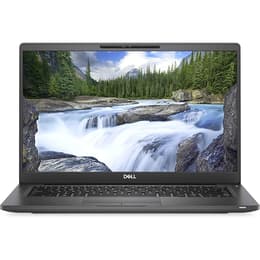
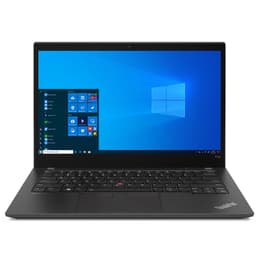
Dell Latitude 7400 14" vs Lenovo ThinkPad T14 G2 14"
- 1-year warranty
- Free standard shipping
- Free 30-day returns
Differences at a glance
The Dell Latitude 7400 (2019) and the Lenovo ThinkPad T14 Gen 2 (2021) are 14-inch professional laptops designed for productivity, business environments, and everyday mobile computing. While both devices offer robust builds and reliable operating system support through Windows, they represent different generations of engineering and hardware efficiency. The primary differences lie in their release timelines, internal processing architecture, and keyboard design philosophies, which influence how each machine handles daily tasks and long-term user workflows.
Available Models
Storage (GB)
Processor
Memory (GB)
Scores
Durability
When evaluating the longevity and maintenance aspects of these two 14-inch laptops, release years and software update horizons play a significant role in determining ongoing usability.
- Release timeline and software support: The Lenovo ThinkPad T14 Gen 2 launched two years after the Dell Latitude 7400, granting it a longer window for official firmware updates and extended compatibility with modern operating system requirements.
- Repairability and physical durability: Both business-class lines adhere to rigorous build standards, but the ThinkPad structure offers straightforward component access for upgrades, whereas the Latitude utilizes a more tightly integrated chassis layout.
- Practical lifespan expectations: Users can expect both machines to handle standard office workloads reliably for several years, though the newer processor generation in the Lenovo model provides an extra margin for future software demands. Choosing a quality-assured refurbished option from Back Market extends the operational lifecycle of either device while supporting sustainable technology choices.
Release Year
2019
2020
Last Os Compatibility
Yes
Yes
OS
Windows 11
Windows 11
Performance
The internal hardware configurations of these laptops translate into distinct capabilities when managing storage, memory, and everyday multitasking demands.
- Storage and memory capacities: Both laptops support fast solid-state storage configurations and configurable random-access memory, allowing users to switch between document editing and web research without noticeable system slowdowns.
- Everyday responsiveness: The newer processor inside the Lenovo model handles demanding web applications, background synchronization, and heavy spreadsheet calculations with smoother thermal efficiency, while the Dell model manages standard office software reliably.
- Multitasking behavior: System responsiveness remains steady on both devices during routine tasks, though heavy multi-app workflows benefit from the generationally advanced processing architecture found in the newer machine.
Graphic card
Integrated Graphics
Integrated Graphics
Screen quality
Display configurations on both 14-inch laptops prioritize clarity and comfortable viewing angles for extended work sessions, though panel technologies differ.
- Display technology and clarity: Both models utilize high-definition panel options with crisp text rendering and anti-glare coatings, reducing eye strain during long hours of document review.
- Brightness and outdoor usability: Maximum brightness levels on both devices allow for comfortable indoor use, though working directly under bright lighting or outdoors may require adjusting screen angles to minimize reflections.
- Visual workspace: The 14-inch form factor provides ample screen real estate for side-by-side window snapping, making both devices well-suited for research, writing, and administrative tasks.
Resolution
1920 x 1080
3840 x 2160
Screen type
IPS
LCD
Camera
Audiovisual
Virtual communication and media consumption capabilities vary slightly between these two professional machines based on their integrated hardware components.
- Webcam and video calling: Both laptops feature integrated webcams adequate for standard video conferences, paired with microphone arrays that capture clear voice audio during virtual meetings.
- Speaker output and media: Integrated stereo speakers deliver clear dialogue for podcasts and calls, though external headphones or speakers are recommended for immersive media consumption or music listening.
- Recording performance: Video and audio input hardware on both models meets the baseline requirements for remote collaboration without specialized external equipment.
Miscellaneous
Physical dimensions, port selections, and input peripherals define the day-to-day tactile experience of using these productivity laptops.
- Connectivity and ports: Both models include comprehensive port selections, featuring multiple USB connections, video outputs, and reliable wireless networking standards for office and travel environments.
- Input peripherals: The Lenovo model incorporates its signature tactile keyboard layout and trackpoint navigation, whereas the Dell model features a quiet, low-profile keyboard alongside a spacious glass trackpad.
- Portability and build: Both laptops maintain a balanced weight distribution and durable chassis design, making them easy to slip into a backpack for commuting or remote work. A sustainable, professionally tested refurbished model provides an eco-friendly alternative for conscious buyers.
Weight
68 oz
56 oz
Screen size
14
14
What the community thinks
Users seeking a reliable daily driver often weigh the distinct traits of these two 14-inch machines based on community feedback and practical testing. Owners of the Dell Latitude 7400 frequently praise its sturdy physical construction, professional aesthetic, and comfortable trackpad. On the other hand, users of the Lenovo ThinkPad T14 Gen 2 often highlight the satisfying typing experience, robust port selection, and responsive system performance as major advantages for daily productivity. Common discussions note that while the Dell model offers a sleek frame, its older hardware generation limits its long-term future readiness compared to its Lenovo counterpart.
Users prioritizing an exceptional keyboard experience and extended software longevity may prefer the Lenovo ThinkPad T14 Gen 2, while users focusing on a streamlined professional chassis and reliable everyday office performance may lean toward the Dell Latitude 7400. Reviewing these practical differences helps match each laptop to specific daily workflows. Ultimately, both devices serve as dependable tools for productivity, and selecting either model provides a functional computing experience tailored to individual user preferences.