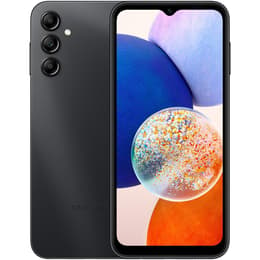


Galaxy A14 5G • Locked T-Mobile vs Google Pixel 9 • Unlocked

Galaxy A14 5G • Locked T-Mobile
Starting at

Refurbished price:$102.95

Versus $249.99 new

See options
Google Pixel 9 • Unlocked
Starting at

Refurbished price:$379.00

Versus $799.00 new

See options

Ratings

The Samsung Galaxy A14 5G, released in January 2023, and the Google Pixel 9, launched in August 2024, represent distinct approaches to the smartphone experience. While the Galaxy A14 5G focuses on delivering essential features and 5G connectivity, the Pixel 9 emphasizes advanced computational capabilities, a premium camera system, and extended software support. Both devices operate on the Android platform, but they cater to different user priorities through their hardware and software philosophies.

Scores

Durability

When considering the long-term usability of a smartphone, factors like software support, physical resilience, and ease of repair are key. These two devices offer different propositions in these areas.

  • Software Longevity: The Google Pixel 9 stands out with an impressive commitment to software updates, promising seven years of OS and security updates from its release in August 2024. This means users can expect official support well into the next decade. In contrast, the Samsung Galaxy A14 5G, released in January 2023, typically receives two major Android OS updates and four years of security updates, offering a solid but shorter support window.
  • Physical Durability: The Pixel 9 incorporates Gorilla Glass Victus 2 on both its front and back, along with an IP68 rating for dust and water resistance, suggesting a higher level of protection against daily wear and environmental exposure. The Galaxy A14 5G features a glass front, often Gorilla Glass 5, and a plastic back and frame, which can be more resistant to shattering from drops but lacks an official IP rating for water and dust protection.
  • Repairability Considerations: While specific repairability scores can vary, devices with plastic builds like the Galaxy A14 5G can sometimes be simpler to repair due to less complex internal structures and more accessible components. Premium devices like the Pixel 9, with their advanced materials and tighter tolerances, may present more challenges for repairs.

Release Year

2023

2024

Last OS Compatibility

Yes

Yes

OS

Android

Android

Foldable

No

No

Performance

The performance of a smartphone is crucial for daily tasks, app usage, and overall responsiveness. These two models offer different levels of processing power and memory configurations.

  • Everyday Responsiveness: The Google Pixel 9 is equipped with Google's Tensor G4 processor, designed to handle demanding applications, complex AI tasks, and multitasking with fluidity. Users can expect quick app loading, smooth transitions, and efficient performance even with intensive usage. The Galaxy A14 5G, powered by a MediaTek Dimensity 700 processor, provides reliable performance for common activities such as web browsing, social media, and video streaming. While capable for daily use, it may exhibit slight delays with heavier applications or extensive multitasking.
  • Multitasking and Storage: The Pixel 9 typically comes with 12GB of RAM, providing ample capacity for running multiple applications simultaneously without significant slowdowns. It offers internal storage options of 128GB or 256GB. The Galaxy A14 5G is available with 4GB or 6GB of RAM, which is suitable for general use but may require more frequent app management for heavy multitaskers. It offers 64GB or 128GB of internal storage, with the added benefit of expandable storage via a microSD card slot.
  • Battery Behavior: Both devices feature large battery capacities. The Galaxy A14 5G has a 5000 mAh battery, often providing up to two days of use for moderate users. The Pixel 9 includes a 4700 mAh battery, which, combined with its efficient processor and software optimizations, is designed to offer substantial battery life, with users reporting it can comfortably last a full day.

Memory (GB)

4 GB

12 GB

Screen quality

The display is a primary interface for any smartphone, influencing everything from media consumption to daily interactions. The Galaxy A14 5G and Pixel 9 offer distinct screen technologies and viewing experiences.

  • Display Technology and Clarity: The Google Pixel 9 features a 6.3-inch OLED display, known for its deep blacks, high contrast, and vibrant color reproduction. Its FHD+ resolution (1080x2424 pixels) and 422 pixels per inch (ppi) ensure sharp and detailed visuals. The Samsung Galaxy A14 5G comes with a 6.6-inch PLS LCD panel, offering a large viewing area and a clear FHD+ resolution (1080 x 2408 pixels). While LCD technology provides good colors, it typically doesn't match the contrast levels of OLED.
  • Smoothness and Brightness: The Pixel 9's display supports a variable refresh rate from 60Hz up to 120Hz, providing a smooth scrolling and gaming experience, and can reach high peak brightness levels for excellent outdoor visibility. The Galaxy A14 5G also offers a 90Hz refresh rate, which enhances the fluidity of on-screen motion compared to standard 60Hz displays. However, its brightness levels, while decent, may make outdoor viewing more challenging in direct sunlight.
  • Screen Size and Protection: The Galaxy A14 5G offers a slightly larger screen at 6.6 inches, which can be beneficial for media consumption and productivity. The Pixel 9's 6.3-inch display provides a more compact form factor. The Pixel 9 benefits from Gorilla Glass Victus 2 for enhanced scratch and drop resistance, while the Galaxy A14 5G typically uses Gorilla Glass 5.

Resolution

1080 x 2408

1080 x 2424

Screen type

PLS LCD

OLED

Audiovisual

Camera capabilities are a significant differentiator for modern smartphones, and these two devices approach photography with varying strengths.

  • Rear Camera Systems: The Google Pixel 9 features a dual-camera setup on the rear, including a 50MP main sensor with optical and electronic image stabilization and a 48MP ultrawide sensor with a wide field of view and autofocus. This combination, coupled with Google's computational photography, excels in capturing detailed images with accurate colors and impressive low-light performance. The Samsung Galaxy A14 5G offers a triple-camera system with a 50MP main sensor, complemented by 2MP macro and 2MP depth sensors. This setup is capable of capturing good everyday photos in well-lit conditions, with the main sensor providing solid detail.
  • Front Camera and Video: For selfies and video calls, the Pixel 9 includes a 10.5MP front camera with autofocus, designed to produce clear and sharp self-portraits. It supports 4K video recording at up to 60 frames per second. The Galaxy A14 5G has a 13MP front camera, which is suitable for general selfie needs. Its video recording capabilities are generally focused on standard high-definition quality.
  • Computational Photography and Features: The Pixel 9 leverages its advanced processor for a suite of AI-powered camera features, such as Night Sight for enhanced low-light photos, and innovative editing tools like 'Add Me' and 'Pixel Screenshots' for creative image manipulation. While the Galaxy A14 5G offers basic camera modes, it does not include the same level of advanced computational photography features.

Main camera

50 megapixels

50 megapixels

Front camera

13 megapixels

10.5 megapixels

Miscellaneous

Beyond core specifications, several practical elements contribute to the overall user experience, from connectivity to physical design.

  • Connectivity and Ports: Both devices support 5G connectivity, enabling faster mobile data speeds. The Pixel 9 is expected to feature advanced Wi-Fi standards (likely Wi-Fi 6E or 7) and also introduces Emergency Satellite SOS capabilities, providing an additional layer of safety in remote areas. The Galaxy A14 5G supports Wi-Fi 5 (802.11ac). Both utilize a USB-C port for charging and data transfer. The Galaxy A14 5G retains a 3.5mm headphone jack, a feature absent on the Pixel 9.
  • Biometric Security and Design: The Pixel 9 incorporates an ultrasonic in-display fingerprint sensor, offering a modern and convenient unlocking method, alongside face unlock. Its design features a premium build with Gorilla Glass Victus 2 and an aluminum frame, and a distinctive pill-shaped camera bar. The Galaxy A14 5G uses a side-mounted fingerprint sensor integrated into the power button. Its construction is primarily plastic, contributing to a lighter feel and potentially better grip, with a textured back.
  • Dimensions and Handling: The Pixel 9 is more compact and lighter, measuring 152.8 x 72 x 8.5 mm and weighing 198g, making it easier for one-handed use. The Galaxy A14 5G is a larger and slightly heavier device at 167.7 x 78 x 9.1 mm and 202g, offering a more expansive screen but requiring a two-handed approach for some users.

Weight

7 oz

7 oz

Screen size (inches)

6.6

6.3

Network

5G

5G

SIM card

Physical SIM

Physical SIM + eSIM

Carrier compatibility

T-Mobile

Unlocked

Choosing between the Samsung Galaxy A14 5G and the Google Pixel 9 involves weighing different priorities. User feedback for the Galaxy A14 5G often praises its long battery life, large display, and reliable performance for everyday tasks, making it a practical choice for those seeking core smartphone functionalities without advanced features. Some users note that its camera performance is solid for its segment but not exceptional in challenging conditions, and the lack of an official IP rating is a common point of consideration.

The Google Pixel 9, on the other hand, receives high marks for its advanced camera capabilities, particularly its computational photography and low-light performance, with users appreciating the consistent quality of its images. Its extended software support and robust AI features are also frequently highlighted as significant advantages. Some user discussions mention that while the camera is excellent, the base Pixel 9 lacks a telephoto lens found in Pro models, and its overall performance, while good, might not always match the absolute top-tier flagships in raw benchmarks.

Users prioritizing a long-lasting device with extensive software support, advanced camera features, and a premium, compact design will find the Google Pixel 9 well-suited to their needs. Its focus on AI-driven experiences and computational photography makes it ideal for those who value smart features and high-quality imaging. Conversely, users who prioritize a larger screen, expandable storage, a headphone jack, and dependable performance for essential tasks will likely lean toward the Samsung Galaxy A14 5G. It serves as a robust option for those seeking a straightforward and reliable smartphone experience. Both devices are available as quality-assured refurbished options, providing an eco-friendly alternative for consumers looking to make informed and sustainable choices.
See all articles

Our recent comparisons