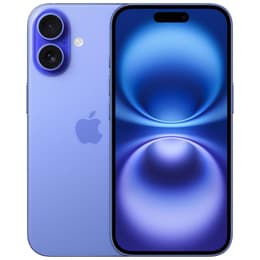

Galaxy A14 5G • Unlocked vs iPhone 16 • Unlocked

Galaxy A14 5G • Unlocked
Starting at

Refurbished price:$100.00

Versus $249.99 new

See options
iPhone 16 • Unlocked
Starting at

Refurbished price:$516.00

Versus $729.00 new

See options

Ratings

The Samsung Galaxy A14 5G, released in January 2023, and the iPhone 16, launched in late 2024, represent distinct approaches to smartphone design and functionality. While the Galaxy A14 5G operates on the Android platform, offering a user-friendly interface with extensive customization, the iPhone 16 runs on Apple's iOS, known for its integrated ecosystem and streamlined experience. Key differentiators include their operating systems, display technologies, and overall performance capabilities, catering to different user preferences.

Scores

Durability

When considering the long-term usability of these devices, several factors contribute to their expected lifespan, including software support, physical durability, and repairability.

  • Software Longevity: The Samsung Galaxy A14 5G launched with Android 13 and is expected to receive two years of OS updates and four years of security updates, extending its software support into 2027 for OS and 2029 for security. The iPhone 16, running on iOS, typically receives five to six years of major iOS updates from its release, suggesting software support well into the late 2020s. [5]
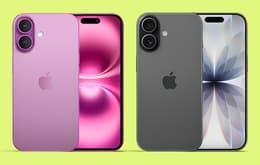
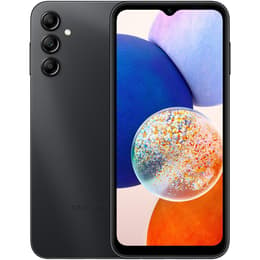
  • Physical Durability: The Galaxy A14 5G features a plastic frame and back, with a glass front, offering a practical build. The iPhone 16 incorporates an aluminum design with a Ceramic Shield front and a color-infused glass back, providing enhanced resistance against drops and scratches. Both devices are designed to withstand daily use, though the iPhone 16 carries an IP68 rating for water and dust resistance, offering more protection against environmental elements. [1, 5, 30]
  • Repairability: While specific repairability scores can vary, Apple generally designs its devices with a focus on component integration, which can sometimes make repairs more complex. Samsung's A-series phones often feature a more modular design, potentially simplifying certain repairs. Both devices, however, benefit from the availability of quality-assured refurbished options, providing a sustainable choice for extending their lifecycle.

Release Year

2023

2024

Last OS Compatibility

Yes

Yes

Foldable

No

No

Performance

The performance of a smartphone is crucial for daily tasks, app usage, and overall responsiveness, with both devices offering different levels of capability.

  • Processing Power: The Galaxy A14 5G is powered by an octa-core processor, such as the Exynos 1330 or MediaTek Dimensity 700, which provides smooth performance for everyday applications and light multitasking. [5, 7] The iPhone 16 features Apple's A18 chip, which includes a 6-core CPU, a 5-core GPU, and a 16-core Neural Engine, delivering robust performance for demanding applications, advanced gaming, and efficient AI-driven tasks. [30]
  • Multitasking and Storage: The Galaxy A14 5G is available with 4GB, 6GB, or 8GB of RAM, allowing for competent multitasking, and offers 64GB or 128GB of internal storage, expandable via a microSD card up to 1TB. [4, 5, 8] The iPhone 16 is expected to come with 8GB of RAM, facilitating seamless transitions between numerous open applications, and offers storage options of 128GB, 256GB, or 512GB, without expandable storage. [2, 6, 21]
  • Battery Behavior: The Galaxy A14 5G is equipped with a 5000 mAh battery, providing ample power for extended use throughout the day, with 15W wired charging. [7, 8] The iPhone 16 features a 3561 mAh battery, which, combined with its efficient processor and iOS optimizations, is designed to offer significant battery endurance, with the iPhone 15 model providing around 11 hours of video playback. [3, 10, 14, 21]

Memory (GB)

4 GB

8 GB

Screen quality

The display is a primary interface for smartphone interaction, and these two models offer distinct visual experiences.

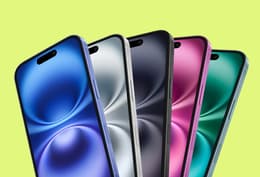
  • Display Technology and Resolution: The Galaxy A14 5G features a 6.6-inch PLS LCD display with a resolution of 1080x2408 pixels, providing clear visuals for browsing and media consumption. [4, 5, 8] The iPhone 16 boasts a 6.1-inch Super Retina XDR OLED display with a resolution of 2556x1179 pixels at 460 ppi, offering deep blacks, vibrant colors, and sharp detail. [1, 30]
  • Brightness and Refresh Rate: The Galaxy A14 5G's display has a 90Hz refresh rate, contributing to smoother scrolling and a more fluid user experience. [4, 5, 8] The iPhone 16's OLED display offers a typical maximum brightness of 1000 nits and a peak outdoor brightness of 2000 nits, ensuring excellent visibility even in bright conditions. The base iPhone 16 model maintains a 60Hz refresh rate. [1, 30]
  • Viewing Experience: The larger screen of the Galaxy A14 5G provides an expansive canvas for content, while the iPhone 16's OLED technology and higher pixel density deliver a more refined and immersive visual experience, enhanced by features like the Dynamic Island. [1, 30]

Resolution

1080 x 2408

1179 x 2556

Screen type

PLS LCD

Super Retina XDR OLED

Audiovisual

For many users, the camera system is a critical component, and both devices offer capabilities for capturing photos and videos.

  • Rear Camera System: The Galaxy A14 5G includes a triple rear camera setup with a 50 MP main sensor, a 2 MP macro lens, and a 2 MP depth sensor, suitable for everyday photography and close-up shots. [4, 5, 9] The iPhone 16 features an advanced dual-camera system, including a 48 MP main camera with sensor-shift optical image stabilization and a 12 MP ultra-wide lens. The 48 MP main sensor also enables a 2x telephoto option. [30]
  • Photography Features: The Galaxy A14 5G supports standard photography modes and 1080p video recording at 30fps. [5, 9] The iPhone 16's camera system benefits from computational photography features like Photonic Engine, Deep Fusion, and Smart HDR 5, enhancing image quality across various lighting conditions. It also offers 4K video recording at up to 60fps, Cinematic Mode, and Action Mode. [2, 6, 30]
  • Front Camera and Audio: Both devices feature capable front-facing cameras for selfies and video calls; the Galaxy A14 5G has a 13 MP front camera, while the iPhone 16 has a 12 MP TrueDepth camera with advanced features like Face ID. [4, 5, 30] For audio, the iPhone 16 typically offers a more refined speaker output and microphone quality for calls and recordings, consistent with Apple's focus on multimedia experiences.

Main camera

50 megapixels

48 megapixels

Front camera

13 megapixels

12 megapixels

Miscellaneous

Beyond core features, several practical elements contribute to the overall user experience and device utility.

  • Connectivity and Ports: Both devices support 5G connectivity for fast mobile data. The Galaxy A14 5G includes Wi-Fi 5 and Bluetooth 5.2, along with a USB-C 2.0 port and a 3.5mm headphone jack. [8, 9, 29] The iPhone 16 supports Wi-Fi 6E and Bluetooth 5.3, featuring a USB-C port that offers USB 2.0 speeds for data transfer on the base model. [1, 6, 18, 27, 30]
  • Biometric Security: The Galaxy A14 5G utilizes a side-mounted fingerprint sensor for secure unlocking and authentication. [8, 9] The iPhone 16 relies on Face ID, Apple's facial recognition system, for biometric security. [6]
  • Design and Handling: The Galaxy A14 5G measures 167.7 x 78 x 9.1 mm and weighs 202g, offering a substantial feel in hand. [5, 29] The iPhone 16 is more compact at 147.6 x 71.6 x 7.8 mm and lighter at 170g, making it easier for one-handed use. [2, 6, 30] Both devices feature durable materials, with the iPhone 16 incorporating recycled aluminum in its enclosure and other recycled elements. [2, 22, 33]

Weight

7 oz

6000 oz

Screen size (inches)

6.6

6.1

Network

5G

5G

SIM card

Physical SIM

eSIM

Carrier compatibility

Unlocked

Unlocked

The Samsung Galaxy A14 5G and the iPhone 16 cater to different segments of the smartphone market, each with its own set of strengths. Users often praise the Galaxy A14 5G for its large display, long-lasting battery, and the inclusion of a headphone jack and expandable storage, which are practical benefits for many. Criticisms sometimes point to its LCD display technology and less powerful processor compared to higher-end devices. [4, 7, 8]

The iPhone 16, on the other hand, is frequently lauded for its powerful processor, advanced camera capabilities, and the seamless integration within the Apple ecosystem. Its OLED display and robust build quality are also common points of appreciation. Some users might find the lack of expandable storage or a headphone jack to be a limitation. [1, 2, 30]

Users prioritizing a larger screen, extensive battery life, and the flexibility of expandable storage and a headphone jack may find the Samsung Galaxy A14 5G well-suited to their needs. This device is often a good fit for students or individuals who consume a lot of media and require practical features without needing the absolute latest in processing power. Conversely, users who value a highly responsive operating system, advanced photographic and videographic capabilities, and a compact, premium design will likely lean towards the iPhone 16. Its strong performance and long-term software support make it appealing to professionals and those deeply invested in the Apple ecosystem.

Both devices are available as quality-assured refurbished options, offering an eco-friendly alternative for consumers looking to make a sustainable choice.

See all articles

Our recent comparisons