
iPhones
Compare models
Differences at a glance
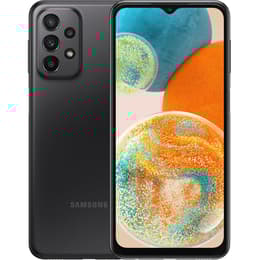
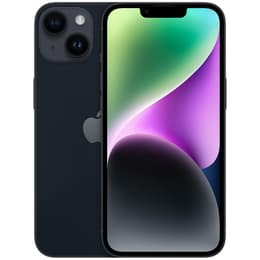
The Samsung Galaxy A23 5G and the Apple iPhone 14 are two distinct smartphones released in 2022, offering different operating systems and user experiences. The Galaxy A23 5G, launched in August 2022, operates on Android, while the iPhone 14, released in September 2022, runs on iOS. These devices cater to varying user preferences, with the Galaxy A23 5G emphasizing a larger display and expandable storage, and the iPhone 14 focusing on a streamlined ecosystem and advanced camera features.
Color
Storage (GB)
When considering the long-term usability of these devices, their release timelines and software support play a significant role. The iPhone 14 generally benefits from a longer period of software updates compared to many Android devices, potentially extending its functional lifespan for users who prioritize the latest features and security patches.
Release Year
Last OS Compatibility
OS
Foldable
The performance of a smartphone is crucial for daily tasks, from navigating applications to handling demanding multimedia. Both devices offer capable performance for their respective ecosystems, though they approach it with different hardware philosophies.
The display is a primary interface for any smartphone, and the quality of the screen significantly impacts the user's visual experience, from viewing content to interacting with applications.
Resolution
Screen type
For many users, the camera system is a key differentiator, influencing how they capture and share moments. Both devices offer capable camera setups, but with different strengths and features.
Main camera
Front camera
Beyond core features, several practical elements contribute to the overall user experience, from how a device connects to its physical design and handling.
Weight
Screen size (inches)
Network
SIM card
Carrier compatibility
The Samsung Galaxy A23 5G and the iPhone 14 offer distinct propositions for smartphone users. User feedback for the iPhone 14 often praises its consistent performance, high-quality camera system, and the seamless integration within the Apple ecosystem. Many appreciate its display clarity and the reliability of iOS. Some common criticisms from users include the continued use of the Lightning port and the 60 Hz refresh rate, which some find less fluid compared to higher refresh rate displays on other devices.
For the Galaxy A23 5G, users frequently highlight its large, smooth 120 Hz display, long-lasting battery, and the flexibility of expandable storage as significant advantages. The inclusion of a 3.5mm headphone jack is also a positive for many. While generally well-received for its segment, some users might find its overall performance less refined compared to higher-tier devices, and the camera performance, while versatile, may not match the low-light capabilities of more premium phones.
Users prioritizing a smooth, long-supported software experience with a strong emphasis on camera performance and a compact, premium build may find the iPhone 14 well-suited to their needs. Its robust ecosystem and consistent updates offer a predictable and integrated experience. Conversely, users who value a larger, high-refresh-rate display, extensive battery life, the flexibility of expandable storage, and the Android operating system's customization options might lean towards the Galaxy A23 5G. This device is particularly appealing for those who consume a lot of media or require ample storage for files and photos.
Both devices represent solid choices within their respective categories. For those seeking an eco-friendly alternative, considering a quality-assured refurbished option for either model can provide access to these features while supporting sustainable consumption.