Compare models
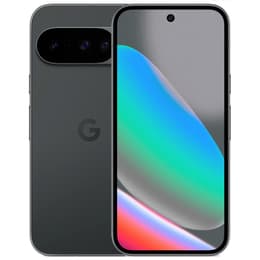
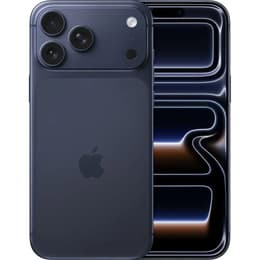
Google Pixel 10 • Unlocked vs iPhone 17 Pro Max • Unlocked
- 1-year warranty
- Free standard shipping
- Free 30-day returns
Differences at a glance
The Google Pixel 10 (2025) and the Apple iPhone 17 Pro Max (2025) represent two different approaches to the modern flagship smartphone. While both devices offer high-end capabilities, they cater to distinct ecosystems and hardware preferences. The Google Pixel 10 runs on Android with a focus on integrated software features, whereas the iPhone 17 Pro Max operates on iOS within a larger-format design.
Available Models
Color
Storage
Scores
Durability
Both smartphones are built with modern longevity in mind, though they approach software support and physical durability through different ecosystems.
- Software Support: The Google Pixel 10 provides long-term operating system updates for several years, while the iPhone 17 Pro Max typically receives extended software updates aligned with Apple's traditional multi-year lifecycle.
- Build and Repairability: Both models utilize robust outer materials and high dust and water resistance ratings, though repair availability and modular component replacement differ between the Android and iOS ecosystems.
Release Year
2025
2025
OS
Android
iOS
Foldable
No
No
Performance
Everyday operation and multitasking capabilities differ based on internal hardware optimization and memory configuration across both platforms.
- Multitasking and Responsiveness: Both devices handle intensive applications, demanding games, and split-screen or background tasks smoothly, backed by ample system memory.
- Battery Behavior: The iPhone 17 Pro Max features a very large battery capacity designed to last through extensive daily use, while the Google Pixel 10 utilizes a similarly efficient power profile suited for standard to heavy daily routines.
Screen quality
Visual output and display dimensions vary notably, offering different viewing experiences for media consumption and daily navigation.
- Display Technology: The iPhone 17 Pro Max features a large, expansive OLED screen with high peak brightness and a smooth high refresh rate, while the Google Pixel 10 offers a more compact OLED display with high clarity and matching fluid refresh performance.
- Outdoor Visibility: Both panels maintain clear legibility under bright ambient lighting conditions thanks to high maximum brightness capabilities.
Resolution
1080x2424
2868x1320
Screen type
OLED
Super Retina XDR
Audiovisual
Imaging hardware and audio output cater well to content creation, everyday photography, and media playback.
- Camera Systems: The iPhone 17 Pro Max includes a versatile triple-lens array with high-resolution sensors and advanced optical zoom capabilities, while the Google Pixel 10 provides a reliable multi-lens setup backed by computational photography tools.
- Media and Sound: Both smartphones deliver rich stereo speaker output and clear microphone performance for calls and video recording.
Main camera
Advanced Triple Rear
48 megapixels
Front camera
10.5-megapixel Dual PD selfie camera with autofocus
18 megapixels
Miscellaneous
Physical handling and connectivity features shape the day-to-day ergonomic experience of each device.
- Size and Weight: The iPhone 17 Pro Max is a notably heavier and larger-format device, whereas the Google Pixel 10 offers a more compact form factor that is easier to handle with one hand.
- Connectivity and Ports: Both models support current-generation wireless standards and utilize standard USB-C physical connectors for charging and data transfer.
Weight
7 oz
185 oz
Screen size (inches)
6.3
6.9
Network
LTE
5G
SIM card
eSIM
eSIM
Carrier compatibility
Unlocked
Unlocked
Connector
USB-C
USB-C
What the community thinks
User feedback indicates that the Google Pixel 10 is widely praised for its clean interface, comfortable handling, and reliable everyday photography tools, though some users note that its zoom capabilities are more modest than larger ultra-flagship counterparts. Conversely, the iPhone 17 Pro Max receives strong praise for its expansive display, exceptional battery longevity, and powerful video recording quality, though users frequently mention its heavier physical footprint and larger size as considerations for one-handed use.
Users prioritizing a more compact physical footprint, streamlined software navigation, and balanced everyday utility may prefer the Google Pixel 10, while users prioritizing maximum screen workspace, extended battery stamina, and advanced camera zoom features will lean toward the iPhone 17 Pro Max. For those seeking a quality-assured refurbished option, Back Market provides these devices as sustainable choices that reduce electronic waste without compromising on performance standards.