
Compare models
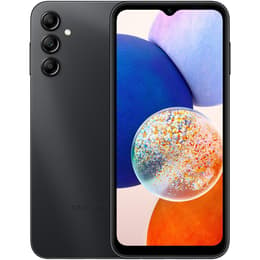
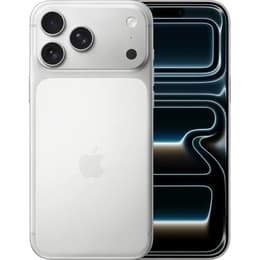
Galaxy A14 5G • Unlocked vs iPhone 17 Pro Max • Unlocked
- 1-year warranty
- Free standard shipping
- Free 30-day returns
Differences at a glance
The Samsung Galaxy A14 5G (2023) and the Apple iPhone 17 Pro Max (2025) represent entirely different tiers and eras of mobile technology. While the Galaxy A14 5G runs on the Android operating system and focuses on everyday core essentials, the iPhone 17 Pro Max utilizes Apple's iOS ecosystem and delivers advanced processing and materials. These two devices cater to distinctly different user expectations, device lifecycles, and functional requirements.
Available Models
Color
Storage (GB)
Scores
Durability
When examining longevity and hardware endurance, these models occupy very different points in the smartphone landscape.
- Release timeline and support: The Galaxy A14 5G launched in early 2023 with standard multi-year security patching, whereas the iPhone 17 Pro Max debuted in late 2025 with support for Apple's extended software update schedule.
- Build durability: The iPhone 17 Pro Max incorporates advanced Ceramic Shield glass protection on both front and back alongside an aluminum unibody design, while the Galaxy A14 5G utilizes a straightforward plastic frame and back construction.
- Practical lifespan: Users seeking long-term system updates and high-tier material resilience will find the newer Apple device tailored to extended usage horizons, whereas the Samsung model suits shorter, steady use cycles.
Release Year
2023
2025
Last OS Compatibility
Yes
Yes
OS
Android
iOS
Foldable
No
No
Performance
Daily execution and speed capabilities vary significantly based on internal hardware configurations.
- Storage configurations: The Galaxy A14 5G offers baseline storage capacities with expandable micro-SD support, while the iPhone 17 Pro Max provides large fixed internal storage tiers designed for massive local media libraries.
- Multitasking and responsiveness: The iPhone 17 Pro Max handles demanding applications, high-end mobile gaming, and complex background tasks smoothly due to its current-generation processor and ample RAM. In contrast, the Galaxy A14 5G manages standard web browsing, messaging, and lighter apps reliably.
- Battery behavior: Both devices feature large battery capacities capable of lasting through regular daily use, though the iPhone incorporates advanced power efficiency for intensive tasks.
Screen quality
Visual output and display technologies create divergent viewing experiences.
- Display technology: The iPhone 17 Pro Max features a vibrant OLED display with deep blacks, high contrast, and a smooth adaptive refresh rate. The Galaxy A14 5G utilizes an LCD panel with a fixed 90Hz refresh rate for basic scrolling clarity.
- Brightness and outdoor visibility: The iPhone model achieves high peak outdoor brightness levels for clear visibility under direct sunlight, whereas the Samsung display requires manual adjustments in bright environments.
- Screen dimensions: The iPhone 17 Pro Max offers a larger 6.9-inch viewing canvas, compared to the Galaxy A14 5G's 6.6-inch screen, impacting overall device footprint and media consumption.
Resolution
1080 x 2408
2868x1320
Screen type
PLS LCD
Super Retina XDR
Audiovisual
Optics and media playback hardware reflect the distinct design targets of each phone.
- Camera systems: The iPhone 17 Pro Max equips a versatile triple 48-megapixel setup supporting extensive optical zoom ranges and advanced professional video formats. The Galaxy A14 5G features a simpler 50-megapixel main sensor alongside basic auxiliary lenses for casual snapshots.
- Low-light and video capture: The iPhone delivers detailed low-light photography and stable video recording, while the Galaxy handles daylight casual photography adequately.
- Audio output: Stereo speakers on the iPhone provide robust sound output for media playback, whereas the Samsung model relies on a single-speaker setup suitable for basic calls and notifications.
Main camera
50 megapixels
48 megapixels
Front camera
13 megapixels
18 megapixels
Miscellaneous
Physical handling and connectivity features shape the day-to-day user experience.
- Port types and connectivity: The iPhone 17 Pro Max utilizes a versatile USB-C connection alongside modern 5G and Wi-Fi standards, while the Galaxy A14 5G also features USB-C and 5G connectivity alongside a traditional headphone jack.
- Biometrics: Apple relies on face recognition security, while Samsung uses a side-mounted fingerprint scanner integrated into the power button.
- Weight and handling: Weighing 233 grams, the larger iPhone model has a heavy, substantial feel in the hand, whereas the lighter plastic build of the 202-gram Galaxy A14 5G offers a different tactile feel during extended single-handed use.
Weight
7 oz
185 oz
Screen size (inches)
6.6
6.9
Network
5G
5G
SIM card
Physical SIM
eSIM
Carrier compatibility
Unlocked
Unlocked
What the community thinks
User feedback highlights distinct preferences for each device across community forums. Owners of the Galaxy A14 5G frequently praise its reliable battery longevity, expandable storage slot, and straightforward utility for everyday communication tasks. Conversely, common criticisms note its basic LCD screen performance and slower charging speeds. For the iPhone 17 Pro Max, users regularly commend the exceptional display clarity, advanced camera versatility, and smooth system responsiveness, though some note the heavy physical weight and large footprint as considerations for pocketability.
Users prioritizing advanced photography, maximum processing capability, and long-term software support may prefer the iPhone 17 Pro Max, while users seeking straightforward communication tools, expandable storage, and essential smartphone functions will find the Galaxy A14 5G well-suited to their daily routines. Choosing a quality-assured refurbished option through platforms like Back Market provides an eco-friendly alternative that extends device life cycles and supports sustainable purchasing habits without compromising on performance standards.