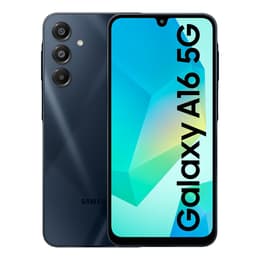
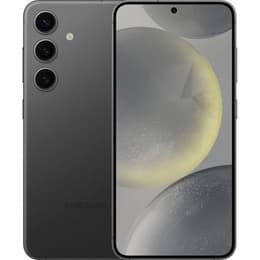
Galaxy A16 5G • Unlocked vs Galaxy S24 • Locked T-Mobile

Galaxy A16 5G • Unlocked
Starting at

Refurbished price:$145.73

Versus $195.00 new

See options
Galaxy S24 • Locked T-Mobile
Starting at

Refurbished price:$277.00

Versus $799.99 new

See options

Ratings

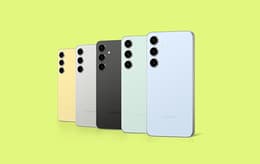
The Samsung Galaxy A16 5G, released in late 2024 and early 2025, and the Samsung Galaxy S24, launched in early 2024, represent different segments of Samsung's smartphone offerings. While both operate on the Android platform, the Galaxy A16 5G focuses on delivering essential features and extended software support, whereas the Galaxy S24 prioritizes advanced performance, camera capabilities, and a premium user experience. These differences cater to distinct user needs and expectations from a modern smartphone.

Scores

Durability

When considering the longevity of these devices, several factors come into play, including their release timelines, software support, and physical resilience.

  • Release Timeline and Software Support: The Galaxy A16 5G, released in late 2024 and early 2025, benefits from Samsung's commitment to providing six years of operating system updates and security patches, extending its support until at least October 2030. The Galaxy S24, launched in January 2024, is part of Samsung's flagship line, which typically receives seven years of software and security updates, offering an even longer period of official support.
  • Physical Durability: The Galaxy A16 5G features an IP54 rating, indicating protection against dust and moderate water splashes, and is constructed with a plastic frame and a 'Glastic' back. The Galaxy S24 offers a higher level of protection with an IP68 rating, signifying greater resistance to dust and water immersion, and incorporates more robust materials like Gorilla Glass Victus 2 on the back and an Armor Aluminum 2.0 frame.
  • Expected Practical Lifespan: Both devices are designed for extended use, with their respective software support policies ensuring they remain functional and secure for many years. The Galaxy S24's more premium build materials and higher IP rating suggest it may withstand physical wear and tear more effectively over time, while the A16 5G's impressive software commitment for its segment provides significant value for long-term basic usage.

Release Year

2024

2024

OS

Android

Android

Foldable

No

No

Performance

The performance capabilities of the Galaxy A16 5G and Galaxy S24 cater to different user demands, primarily influenced by their internal processing power and memory configurations.

  • Processor Capabilities: The Galaxy A16 5G is equipped with a processor designed for efficient handling of everyday tasks such as web browsing, email, and media consumption. Users can expect smooth operation for these basic functions, though some lag might occur when switching between multiple applications or engaging in demanding activities like burst photography or graphic-intensive gaming. In contrast, the Galaxy S24 features a current-generation flagship processor, enabling it to manage demanding applications, complex multitasking, and high-fidelity gaming with greater fluidity and responsiveness.
  • Multitasking and Storage: The Galaxy A16 5G typically comes with 4GB, 6GB, or 8GB of RAM and offers 128GB or 256GB of internal storage, with the added benefit of expandable storage up to 1.5TB via a microSD card. The Galaxy S24 comes with 8GB of RAM and storage options of 128GB or 256GB, but it does not support expandable memory. This means the A16 5G provides more flexibility for users who need to store a large volume of photos, videos, or documents directly on their device.
  • Battery Behavior: The Galaxy A16 5G houses a larger 5000mAh battery, which, combined with its efficient processor, contributes to a long battery life, often lasting through a full day of heavy use or even two days with moderate usage. The Galaxy S24 has a 4000mAh battery, which, despite being smaller, is optimized by its advanced processor and software to provide reliable all-day power for most users.

Memory (GB)

4 GB

8 GB

Screen quality

The visual experience on both devices is a key differentiator, with variations in display technology, size, and refresh rates.

  • Display Technology and Clarity: The Galaxy A16 5G features a 6.7-inch Super AMOLED display with a resolution of 2340 x 1080 pixels, offering vibrant colors and clear visuals for everyday viewing. The Galaxy S24 comes with a slightly smaller 6.2-inch Dynamic AMOLED 2X display, also with a 2340 x 1080 pixel resolution, but it delivers enhanced color accuracy, deeper blacks, and superior contrast.
  • Brightness and Refresh Rate: The A16 5G's display has a 90Hz refresh rate, providing smoother scrolling and animations compared to standard 60Hz screens, and reaches a peak brightness of 800 nits, which is adequate for indoor use but may struggle in direct sunlight due to screen reflectivity. The Galaxy S24 boasts an adaptive 120Hz refresh rate, offering exceptionally fluid visuals that adjust dynamically to content, and a significantly higher peak brightness of 2600 nits, ensuring excellent visibility even in bright outdoor conditions.
  • Viewing Experience: The larger screen of the A16 5G provides an expansive canvas for media consumption and browsing, though it features a waterdrop notch that slightly interrupts the display. The S24's display, while smaller, offers a more immersive viewing experience with minimal bezels and a punch-hole cutout for the front camera, along with advanced features like an adaptive vision booster for improved outdoor viewing.

Resolution

1080x2340

1080 x 2340

Screen type

Super AMOLED

Dynamic LTPO AMOLED 2X

Audiovisual

The camera systems on the Galaxy A16 5G and Galaxy S24 are designed to meet different photographic needs, from casual captures to more advanced imaging.

  • Rear Camera Systems: The Galaxy A16 5G is equipped with a triple-camera setup, including a 50MP main sensor, a 5MP ultrawide lens, and a 2MP macro lens. It captures decent images in well-lit conditions, with the main camera defaulting to 12MP binned photos, though full 50MP shots are possible with a slight delay. Low-light performance may result in somewhat muddy colors and blurry details. The Galaxy S24 features a more versatile triple-camera system with a 50MP wide-angle main camera, a 12MP ultrawide lens, and a 10MP telephoto lens with 3x optical zoom. This configuration allows for greater flexibility in capturing various scenes, from expansive landscapes to detailed close-ups.
  • Photography Features and Quality: The A16 5G's camera focuses on practical, everyday photography. The Galaxy S24, on the other hand, integrates advanced features like Nightography for improved low-light performance, AI assistance for image optimization, and a ProVisual Engine for enhanced detail. It also offers specialized modes such as Motion Photo, Instant Slow-mo, and Dual Recording, providing users with more creative control over their photos and videos.
  • Video Recording and Audio: Both devices are capable of recording video, but the Galaxy S24 offers higher-resolution video recording options, including up to 8K, and features like Pro Video mode for manual control over settings. While specific microphone quality details for the A16 5G are less prominent, the S24's flagship status suggests superior audio capture for calls and recordings. The S24 also benefits from enhanced speaker output for a richer media consumption experience.

Miscellaneous

Beyond core features, several practical elements distinguish the Galaxy A16 5G and Galaxy S24, impacting daily usability and overall experience.

  • Connectivity and Ports: Both devices support 5G connectivity, but the Galaxy S24 may offer faster 5G technology (mmWave) in some regions compared to the A16 5G's sub-6GHz support. The A16 5G supports Wi-Fi 5 and Bluetooth 5.3, while the S24 features more advanced Wi-Fi 6E and Bluetooth 5.3, providing faster and more stable wireless connections. Both utilize a USB-C port for charging and data transfer.
  • Sensors and Biometrics: The Galaxy A16 5G includes a side-mounted fingerprint sensor for secure unlocking. The Galaxy S24 offers an ultrasonic in-display fingerprint sensor, which is often considered more convenient and secure, along with advanced facial recognition capabilities.
  • Physical Design and Handling: The Galaxy A16 5G measures 164.4 x 77.9 x 7.9 mm and weighs 200g, making it a larger and slightly heavier device. The Galaxy S24 is more compact and lighter at 147 x 70.6 x 7.6 mm and 167g, contributing to easier one-handed use and portability. Neither device includes a 3.5mm headphone jack, and the S24 also lacks a microSD card slot, unlike the A16 5G. The S24 also integrates advanced AI features like Circle to Search and Live Translate, enhancing user interaction and productivity.

Weight

7 oz

6 oz

Screen size (inches)

6.7

6.2

Network

5G

5G

SIM card

Physical SIM

Physical SIM + eSIM

Carrier compatibility

Unlocked

T-Mobile

Connector

USB-C

USB-C

The Samsung Galaxy A16 5G and Galaxy S24 cater to different user priorities, each excelling in its respective category. User feedback for the Galaxy A16 5G often praises its exceptional battery life and the significant commitment to six years of software updates, which is a notable advantage for a device in its segment. Some users, however, note that its performance can be sluggish with demanding applications and that its camera struggles in low-light conditions. The Galaxy S24, as a flagship device, receives acclaim for its powerful performance, vibrant and bright display, and advanced camera capabilities, particularly its AI-enhanced features and improved low-light photography. Criticisms for the S24 are less common but sometimes point to its smaller battery capacity compared to other flagships, though its optimized software generally mitigates this concern for most users.

Users prioritizing long-term software support, a large display, and extended battery life for essential daily tasks may find the Galaxy A16 5G well-suited to their needs. Its expandable storage is also a significant benefit for those who require ample local storage. Conversely, users who demand top-tier performance, a premium camera system with advanced features, a superior display for media and outdoor visibility, and a more compact design will likely lean towards the Galaxy S24. Both devices offer compelling options, and choosing between them depends on whether a user values robust core functionality and longevity at a practical level, or cutting-edge technology and a refined user experience. For those considering either model, exploring quality-assured refurbished options can provide an eco-friendly alternative to new purchases, offering a sustainable choice without compromising on functionality.


See all articles

Our recent comparisons