
Galaxy A16 5G • Unlocked vs iPhone 13 Pro • Unlocked

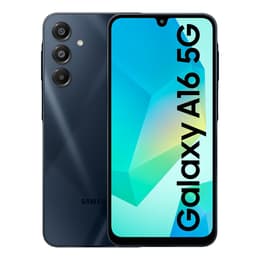
Galaxy A16 5G • Unlocked
Starting at

Refurbished price:$141.00

Versus $195.00 new

See options
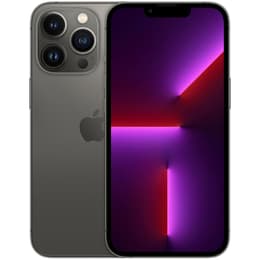
iPhone 13 Pro • Unlocked
Starting at

Refurbished price:$299.99

Versus $899.00 new

See options

Ratings

The Samsung Galaxy A16 5G, released in late 2024 and early 2025, and the Apple iPhone 13 Pro, launched in late 2021, represent different segments of the smartphone market. While the Galaxy A16 5G focuses on extended software support and a large display, the iPhone 13 Pro emphasizes advanced camera capabilities and a powerful processing experience. The Galaxy A16 5G operates on Android, offering a customizable interface, whereas the iPhone 13 Pro runs on Apple's iOS, known for its integrated ecosystem.

Scores

Durability

The practical lifespan of a smartphone is significantly influenced by its release date and the manufacturer's commitment to software updates.

  • Release and Support: The Samsung Galaxy A16 5G was released in October 2024 in Europe and January 2025 in the US, and is notable for its commitment to six years of OS and security updates, extending its support until October 2030. [32, 40, 44, 49, 50, 51] In contrast, the iPhone 13 Pro, released in September 2021, has already received several major iOS updates and is compatible with the current public release of iOS 26. [31, 45] Apple typically provides software support for its devices for five to six years or more from their release. [37]
  • Software Longevity: Users prioritizing the longest possible official software support from the manufacturer might find the Galaxy A16 5G appealing due to its stated update policy. The iPhone 13 Pro, while still receiving updates, is an older device in its update cycle.
  • Repairability: Both devices are designed with modern smartphone construction, and their repairability can vary depending on the specific components and access to parts. The Galaxy A16 5G has an IP54 rating for dust and splash resistance, while the iPhone 13 Pro features Ceramic Shield front cover and is designed with a degree of water resistance. [31, 49, 52]

Release Year

2024

2021

OS

Android

iOS

Foldable

No

No

Performance

Performance in smartphones is determined by the internal components, affecting how smoothly applications run and how efficiently the device handles demanding tasks.

  • Processing Power: The iPhone 13 Pro is equipped with a powerful processor, enabling it to handle demanding applications, complex games, and intensive multitasking with fluidity. [30, 31, 37, 38] The Galaxy A16 5G, powered by an Exynos or MediaTek processor depending on the region, is designed for everyday tasks and basic usage. [29, 56] While it handles fundamental operations, some users have noted occasional stuttering and slower performance, particularly with more intensive applications or multitasking. [34]
  • Multitasking and Storage: The iPhone 13 Pro comes with 6GB of RAM, contributing to its smooth multitasking capabilities. [39, 41, 46] Storage options for the iPhone 13 Pro range up to 1TB, providing ample space for extensive media and applications. [30, 39, 46] The Galaxy A16 5G offers RAM configurations starting from 4GB, which some reviews suggest may be insufficient for demanding multitasking. [34, 56] It provides up to 256GB of internal storage, with the added flexibility of expandable storage via a microSD card up to 1.5TB. [29, 42, 56]
  • Battery Behavior: The iPhone 13 Pro features a battery that typically provides a full day of use, with some users reporting up to 22 hours of video playback. [31, 38, 43] The Galaxy A16 5G is equipped with a larger 5000 mAh battery, which generally offers extended usage, often lasting a full day even with moderate to heavy use. [51, 53, 55]

Memory (GB)

4 GB

6 GB

Screen quality

The display is a primary interface for smartphone interaction, and differences in technology and specifications can significantly impact the visual experience.

  • Display Technology and Clarity: The iPhone 13 Pro features a 6.1-inch Super Retina XDR OLED display, offering high resolution (2532 x 1170 pixels at 460 PPI) with deep blacks, vibrant colors, and excellent contrast. [31, 33, 41, 43] The Galaxy A16 5G has a larger 6.7-inch Super AMOLED display with a Full HD+ resolution (1080 x 2340 pixels), providing a clear and colorful viewing experience. [29, 40, 42, 54]
  • Refresh Rate and Brightness: The iPhone 13 Pro incorporates ProMotion technology, allowing for an adaptive refresh rate that can scale from 10Hz to 120Hz, resulting in very smooth scrolling and responsive interactions. [31, 37, 38, 43, 48] It also offers high brightness levels, reaching up to 1000 nits typical and 1200 nits peak for HDR content, which aids outdoor visibility. [31, 43] The Galaxy A16 5G features a 90Hz refresh rate, providing a smoother experience than standard 60Hz displays. [42, 54] Its peak brightness is around 800 nits, which is suitable for indoor use but may present challenges in bright outdoor conditions. [29, 54]
  • Viewing Experience: The iPhone 13 Pro's display is known for its color accuracy and overall visual quality, making it suitable for media consumption and detailed work. [33, 48] The Galaxy A16 5G's larger screen size can be beneficial for users who prefer more screen real estate for browsing or watching videos, though some reviews note color shifts when viewed from extreme angles. [54]

Resolution

1080x2340

1170 x 2532

Screen type

Super AMOLED

Super Retina XDR OLED

Audiovisual

Camera systems are a key differentiator, with varying capabilities for capturing photos and videos in diverse conditions.

  • Rear Camera System: The iPhone 13 Pro features a versatile triple 12MP camera system, including Wide (f/1.5 with sensor-shift OIS), Ultra Wide (f/1.8 with autofocus), and Telephoto (f/2.8 with 3x optical zoom) lenses. [31, 41, 43] This setup allows for a wide range of photographic styles, including macro photography and improved low-light performance. [33, 37, 38] The Galaxy A16 5G is equipped with a triple camera system comprising a 50MP main sensor (f/1.8), a 5MP ultra-wide lens (f/2.2), and a 2MP macro sensor (f/2.4). [29, 42, 56] The main camera on the A16 5G does not include optical image stabilization (OIS). [42]
  • Photography Performance: The iPhone 13 Pro is recognized for its consistent image quality, producing detailed photos with accurate colors and strong performance in various lighting conditions, including enhanced night mode capabilities. [33, 37, 41] The Galaxy A16 5G's camera system is generally considered capable for everyday photography, though some reviews indicate that photo quality, particularly in low light, may not be as refined as its predecessor. [34, 54]
  • Video Recording: The iPhone 13 Pro offers advanced video recording features, including Cinematic mode for shallow depth of field effects and ProRes video recording, with support for up to 4K resolution at 60 frames per second. [43] The Galaxy A16 5G records video at Full HD (1920 x 1080 pixels) at 30 frames per second. [42, 56]
  • Front Camera: Both devices feature capable front-facing cameras for selfies and video calls. The iPhone 13 Pro has a 12MP TrueDepth camera, while the Galaxy A16 5G includes a 13MP front camera. [42, 43, 56]

Miscellaneous

Beyond core features, several practical elements contribute to the overall user experience and device utility.

  • Connectivity and Ports: Both smartphones support 5G connectivity for faster mobile data speeds. [42, 46, 52] The iPhone 13 Pro uses a Lightning port for charging and data transfer, while the Galaxy A16 5G features a USB Type-C port. [42, 45, 56] The Galaxy A16 5G also supports dual SIM functionality and expandable storage via microSD. [42, 56]
  • Biometric Security and Design: The iPhone 13 Pro utilizes Face ID for secure facial recognition. [31] The Galaxy A16 5G incorporates a fingerprint sensor, typically integrated into the power button, for biometric authentication. [54, 56] The iPhone 13 Pro features a stainless steel frame and a matte glass back, contributing to a premium feel, and weighs 204 grams. [31, 45, 46] The Galaxy A16 5G has a plastic back and a glass front, with a weight of approximately 200 grams. [50, 56]
  • Audio Experience: The iPhone 13 Pro provides a balanced audio output, suitable for media consumption. The Galaxy A16 5G features a single bottom-firing speaker, which offers loud output but may experience distortion at maximum volume. [29, 34] Neither device includes a traditional 3.5mm headphone jack. [34, 56]

Weight

7 oz

6 oz

Screen size (inches)

6.7

6.1

Network

5G

5G

SIM card

Physical SIM

Physical SIM + eSIM

Carrier compatibility

Unlocked

Unlocked

Connector

USB-C

Lightning

The Samsung Galaxy A16 5G and the iPhone 13 Pro cater to different user priorities, reflecting their respective market positions and release timelines. Users often praise the iPhone 13 Pro for its powerful performance, smooth 120Hz display, and advanced camera system, particularly for video recording. [37, 38, 47, 48] Criticisms sometimes point to its charging speed and the presence of a display notch. [33, 48] The Galaxy A16 5G is frequently noted for its extensive software update commitment, large AMOLED display, and long-lasting battery. [29, 34, 49, 54] However, some users have expressed concerns regarding its performance, which can feel sluggish at times, and the quality of its still photography. [34, 54]

Users prioritizing a highly responsive operating system, robust performance for demanding applications, and a sophisticated camera system with advanced video capabilities may find the iPhone 13 Pro well-suited to their needs. Its integrated ecosystem and consistent user experience are also key considerations. Conversely, users who value extended software longevity, a larger display for media consumption, and expandable storage may lean towards the Galaxy A16 5G. Its strong battery life also makes it a practical choice for users needing consistent power throughout the day. Both devices offer distinct advantages, and choosing between them depends on individual preferences for operating system, performance demands, and specific feature requirements. For those considering an eco-friendly alternative, quality-assured refurbished options for both models are available, providing a sustainable choice for acquiring these devices.


See all articles

Our recent comparisons