
Galaxy A16 5G • Unlocked vs Galaxy A23 5G • Unlocked

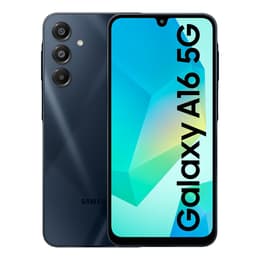
Galaxy A16 5G • Unlocked
Starting at

Refurbished price:$145.73

Versus $195.00 new

See options
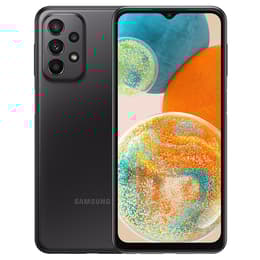
Galaxy A23 5G • Unlocked
Starting at

Refurbished price:$123.00

Versus $279.99 new

See options

Ratings

The Samsung Galaxy A16 5G and the Samsung Galaxy A23 5G are both smartphones designed to offer a balanced experience for everyday users. The Galaxy A23 5G, released in August 2022, established itself as a capable mid-range device, while the newer Galaxy A16 5G, launched in October 2024, brings updated features and extended software support. Both devices operate on the Android platform with Samsung's One UI, but they differ in display technology, camera capabilities, and their expected longevity.

Scores

Durability

The practical lifespan of a smartphone is significantly influenced by its release date and the manufacturer's commitment to software updates. These two models present different timelines for ongoing support.

  • Release Timeline: The Galaxy A23 5G was released in August 2022, making it an older model compared to the Galaxy A16 5G, which launched in October 2024. This difference in release year directly impacts their remaining support cycles.
  • Software Longevity: The Galaxy A16 5G is notable for its extended software commitment, promising six years of Android operating system updates and security patches, with support expected to continue until October 2030. In contrast, the Galaxy A23 5G, while receiving updates, has a shorter remaining support window due to its earlier release.
  • Durability Features: The Galaxy A16 5G includes an IP54 rating, offering a degree of protection against dust and splashes. The Galaxy A23 5G does not carry an official IP rating, though its display is protected by Corning Gorilla Glass 5, which provides resistance against scratches and minor drops.

Release Year

2024

2022

OS

Android

Android

Foldable

No

No

Performance

Both devices are equipped to handle daily tasks, but their underlying hardware provides different levels of responsiveness and capability for more demanding applications.

  • Everyday Responsiveness: The Galaxy A16 5G features a more recent processor, which contributes to smooth navigation and efficient handling of common applications. Users generally report it performs well for social media and light gaming. The Galaxy A23 5G, powered by a capable mid-range processor, also offers a generally smooth experience for everyday use, though some users have noted occasional sluggishness, particularly with lower RAM configurations.
  • Multitasking and Storage: Both models offer various RAM configurations, with higher RAM options providing a more fluid experience when switching between multiple applications. Both devices support expandable storage via a microSD card, allowing users to increase their storage capacity beyond the internal options.
  • Demanding Applications: For tasks such as intensive gaming or running complex applications, the Galaxy A16 5G's newer processor may offer a slight advantage in sustained performance. However, some users have reported that even the A16 5G can experience stutters and slowdowns with heavy usage, especially with 4GB RAM variants. The Galaxy A23 5G is generally suitable for many simpler and moderately complex programs, but its performance can reach limits with more demanding apps.

Memory (GB)

4 GB

6 GB

Screen quality

The visual experience on these smartphones is a key differentiator, with each offering distinct display technologies and features.

  • Display Technology: The Galaxy A16 5G features a 6.7-inch Super AMOLED display, known for its vibrant colors, deep blacks, and high contrast. In contrast, the Galaxy A23 5G utilizes a 6.6-inch PLS LCD panel, which provides good color reproduction and wide viewing angles.
  • Resolution and Clarity: Both devices offer Full HD+ resolution (2340x1080 pixels for A16 5G, 2408x1080 pixels for A23 5G), ensuring sharp and clear visuals for content consumption and daily tasks.
  • Refresh Rate and Brightness: The Galaxy A16 5G has a 90Hz refresh rate, contributing to smoother scrolling and animations, and a maximum brightness of 800 nits. The Galaxy A23 5G offers a higher 120Hz refresh rate, providing an even smoother visual experience, particularly noticeable during scrolling and gaming.

Resolution

1080x2340

1080 x 2408

Screen type

Super AMOLED

PLS LCD

Audiovisual

Both smartphones offer versatile camera systems designed for capturing everyday moments, but they differ in specific features and performance nuances.

  • Main Camera Capabilities: Both the Galaxy A16 5G and Galaxy A23 5G feature a 50-megapixel main sensor. A significant difference is that the Galaxy A23 5G's main camera includes Optical Image Stabilization (OIS), which helps reduce blur from handshakes, especially in challenging lighting conditions. The Galaxy A16 5G lacks OIS.
  • Photography Performance: In good lighting, both phones can produce detailed and colorful images. The Galaxy A16 5G's photos can sometimes appear with cooler tones and may lack the vibrant saturation often associated with Samsung phones, and its low-light performance is not a strong point without a dedicated night mode. The Galaxy A23 5G generally delivers good image quality in bright conditions, though its ultrawide lens may show distortion at the edges.
  • Video Recording and Additional Lenses: The Galaxy A16 5G is capable of recording 4K video and allows users to switch between the main and ultrawide cameras during video capture. The Galaxy A23 5G records video at a maximum of 1080p at 30 frames per second and does not support 4K recording. Both phones include a 5-megapixel ultrawide camera and a 2-megapixel macro lens, with the A23 5G also featuring a 2-megapixel depth sensor.

Miscellaneous

Beyond core performance, several practical elements contribute to the overall user experience and daily convenience of these devices.

  • Connectivity and Ports: Both the Galaxy A16 5G and Galaxy A23 5G support 5G connectivity, ensuring access to faster mobile networks. The Galaxy A23 5G retains a 3.5mm headphone jack, a feature absent on the newer Galaxy A16 5G. Both devices utilize USB-C for charging and data transfer.
  • Biometric Security: For secure unlocking, both smartphones feature a side-mounted fingerprint scanner, integrated into the power button, offering a convenient and accessible authentication method.
  • Design and Handling: Both phones feature a plastic build, which contributes to their lighter feel. The Galaxy A16 5G measures 164.4 x 77.9 x 7.9 mm and weighs 200g, while the Galaxy A23 5G is slightly different at 165.4 x 76.9 x 8.4 mm and 197g. The A16 5G has an IP54 rating for dust and splash resistance.

Weight

7 oz

7 oz

Screen size (inches)

6.7

6.8

Network

5G

5G

SIM card

Physical SIM

Physical SIM

Carrier compatibility

Unlocked

Unlocked

Choosing between the Galaxy A16 5G and the Galaxy A23 5G involves weighing their respective strengths against individual user needs. User feedback for both devices is varied, reflecting the compromises often present in this segment of the smartphone market.

For the Galaxy A16 5G, common praise points include its vibrant Super AMOLED display and the significant commitment to six years of software updates, which offers extended longevity. Users also appreciate its solid battery life for daily use and its ability to handle social media and light gaming. However, criticisms frequently mention potential sluggishness, especially with lower RAM configurations, and inconsistent camera performance in certain conditions, particularly in low light. Some users have also expressed disappointment with the absence of a headphone jack and the lack of OIS in the camera.

The Galaxy A23 5G is often lauded for its 120Hz PLS LCD display, which provides a very smooth visual experience, and its robust battery life that can last for extended periods. The inclusion of Optical Image Stabilization (OIS) on its main camera is another frequently highlighted positive, contributing to clearer photos. On the other hand, some users have reported issues with overall system responsiveness, occasional lag, and a camera that can be slow to capture moments. The lack of an official IP rating is also a point of consideration for some.

Users prioritizing long-term software support and a vibrant Super AMOLED display may find the Galaxy A16 5G well-suited to their needs. Those who value a smoother 120Hz refresh rate and the benefits of Optical Image Stabilization for photography might lean toward the Galaxy A23 5G. Both devices offer expandable storage and reliable battery performance, making them practical choices for users seeking a functional smartphone without needing the most advanced features. Considering a quality-assured refurbished option for either model can be an eco-friendly alternative for consumers.


See all articles

Our recent comparisons