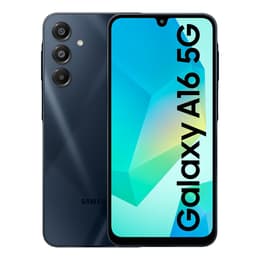

Galaxy A16 5G • Unlocked vs Google Pixel 7a • Unlocked

Galaxy A16 5G • Unlocked
Starting at

Refurbished price:$145.73

Versus $195.00 new

See options
Google Pixel 7a • Unlocked
Starting at

Refurbished price:$163.00

Versus $899.99 new

See options

Ratings

The Samsung Galaxy A16 5G, released in late 2024, and the Google Pixel 7A, launched in May 2023, are both Android smartphones designed to offer a balanced experience for everyday users. While the Galaxy A16 5G emphasizes a larger display and extended software support, the Pixel 7A focuses on camera capabilities and a streamlined software experience. Both devices operate on the Android platform, but they offer distinct approaches to hardware and user interface.

Scores

Durability

When considering the longevity of these devices, their release timelines and software support policies are key factors. The Samsung Galaxy A16 5G, being a newer device, benefits from a more extended support window compared to the Google Pixel 7A.

  • Release Timeline: The Galaxy A16 5G was released in October 2024, while the Pixel 7A launched in May 2023. This difference means the A16 5G is a more recent model.
  • OS Support Duration: Samsung promises six major Android OS upgrades and six years of security updates for the Galaxy A16 5G, extending its support until October 2030. The Pixel 7A is expected to receive five years of major OS upgrades and security updates from its release.
  • Repairability: The Galaxy A16 5G has been noted for an average repairability score, with some components like the battery being relatively accessible. The Pixel 7A initially received a fair repairability score, later improved with the availability of a service manual and genuine parts for DIY repairs.

Release Year

2024

2023

OS

Android

Android

Foldable

No

No

Performance

The performance of a smartphone is crucial for daily tasks, from navigating applications to managing multiple activities simultaneously. Both the Galaxy A16 5G and the Pixel 7A are equipped to handle typical user demands, though they approach processing power differently.

  • Processor Capabilities: The Galaxy A16 5G is powered by a processor designed for efficient everyday use, capable of handling common applications and moderate multitasking. The Pixel 7A features a processor that enables smooth operation for demanding applications, responsive gaming, and advanced AI-driven features.
  • System Responsiveness: Users of the Pixel 7A generally report a fluid and responsive experience, particularly with Google's optimized software. The Galaxy A16 5G provides a smooth experience for casual use, though some users have noted occasional stutters with more intensive tasks.
  • Storage and RAM: The Galaxy A16 5G offers various configurations, including 4GB, 6GB, or 8GB of RAM and 128GB or 256GB of internal storage, with the added flexibility of expandable storage via a microSD card. The Pixel 7A comes with 8GB of RAM and 128GB of internal storage, without an option for expandable storage.
  • Battery Behavior: The Galaxy A16 5G is equipped with a larger battery capacity, which generally translates to extended usage times for many users. The Pixel 7A's battery life is considered decent for a full day of moderate use, though heavy users might find themselves needing to recharge more frequently.

Memory (GB)

4 GB

8 GB

Screen quality

The display is a primary interface for any smartphone, and both devices offer distinct viewing experiences tailored to different preferences.

  • Display Technology and Size: The Galaxy A16 5G features a larger 6.7-inch Super AMOLED display, providing vibrant colors and deep blacks. The Pixel 7A has a 6.1-inch OLED display, which also delivers rich colors and good contrast in a more compact form factor.
  • Resolution and Clarity: Both phones offer Full HD+ resolution (2340x1080px for A16 5G, 2400x1080px for Pixel 7A), ensuring sharp images and clear text for typical viewing distances.
  • Refresh Rate and Brightness: Both devices feature a 90Hz refresh rate, contributing to smoother scrolling and a more fluid visual experience. The Galaxy A16 5G offers a peak brightness of 800 nits, suitable for outdoor visibility. The Pixel 7A's display is also noted for being bright and sharp, performing well in sunny conditions.

Resolution

1080x2340

1080 x 2400

Screen type

Super AMOLED

OLED

Audiovisual

Camera performance is a significant differentiator, with each phone offering a unique set of capabilities for capturing photos and videos.

  • Rear Camera System: The Galaxy A16 5G includes a triple-camera setup with a 50MP main sensor, a 5MP ultrawide lens, and a 2MP macro lens. The Pixel 7A features a dual-camera system with a 64MP main sensor with optical image stabilization (OIS) and a 13MP ultrawide lens.
  • Photography Performance: The Pixel 7A is widely praised for its exceptional camera quality, producing detailed and color-accurate photos, especially in good lighting, and offering strong low-light performance due to its advanced image processing. The Galaxy A16 5G's main camera performs well in daylight, capturing decent snaps, but its ultrawide and macro lenses are considered less capable, and low-light performance is a weaker point.
  • Video Recording: The Pixel 7A supports video recording up to 4K at 60 frames per second, with good stabilization. The Galaxy A16 5G records video at up to 1080p at 30 frames per second, lacking 4K capability.
  • Front Camera: Both devices feature a 13MP front-facing camera, with the Pixel 7A's selfie camera often highlighted for its quality.

Miscellaneous

Beyond core features, several practical elements contribute to the overall user experience and daily convenience of these smartphones.

  • Connectivity: Both phones support 5G connectivity for fast mobile data. The Pixel 7A offers Wi-Fi 6E, providing access to faster and less congested Wi-Fi networks, while the Galaxy A16 5G supports Wi-Fi 5 (802.11ac). Both include Bluetooth 5.3 and NFC for wireless accessories and contactless payments.
  • Ports and Sensors: Both devices utilize a USB-C port for charging and data transfer. The Pixel 7A includes an in-display fingerprint sensor and face unlock. The Galaxy A16 5G features a speedy fingerprint sensor, likely side-mounted. The Pixel 7A also supports eSIM, offering more flexibility in network management.
  • Build Materials and Durability: The Galaxy A16 5G features a plastic case that is well-built and offers an IP54 rating for dust and splash resistance. The Pixel 7A has a plastic back with an aluminum frame and is protected by Corning Gorilla Glass 3 on the front, carrying a higher IP67 rating for dust and water resistance.
  • Weight and Dimensions: The Galaxy A16 5G is slightly larger and heavier at 164.4 x 77.9 x 7.9 mm and 200g. The Pixel 7A is more compact and lighter, measuring 152 x 72.9 x 9.0 mm and weighing 193.5g.

Weight

7 oz

7 oz

Screen size (inches)

6.7

6.1

Network

5G

5G

SIM card

Physical SIM

Physical SIM + eSIM

Carrier compatibility

Unlocked

Unlocked

The Samsung Galaxy A16 5G and the Google Pixel 7A cater to different user priorities within the Android smartphone market. User feedback for the Galaxy A16 5G often praises its large, vibrant Super AMOLED display, impressive battery life, and Samsung's commitment to extended software updates, making it a solid choice for those seeking long-term usability and media consumption. However, some users have noted its performance can be sluggish with demanding applications, and its camera system, particularly in low light or with the ultrawide lens, does not match higher-end devices.

Conversely, the Google Pixel 7A is frequently lauded for its exceptional camera capabilities, often compared favorably to more premium smartphones, and its smooth, optimized software experience. Its compact size and robust build with an IP67 rating are also appreciated. Criticisms sometimes point to its battery life, which, while decent, may not satisfy heavy users, and some find the speakers to be less powerful.

Users prioritizing a large, immersive display and maximum software longevity for general use and media consumption may find the Samsung Galaxy A16 5G well-suited to their needs. Its expandable storage is also a benefit for those who need more space. On the other hand, users who value a top-tier camera experience, a more compact and water-resistant design, and a consistently fluid software interface will likely prefer the Google Pixel 7A. Its advanced processor also makes it a better fit for more intensive tasks and mobile gaming.

For those looking to make an informed and sustainable choice, considering refurbished options for either of these models can provide access to quality-assured devices while contributing to a more eco-friendly approach to technology consumption.

See all articles

Our recent comparisons