Galaxy A16 5G • Unlocked vs Google Pixel 8 • Unlocked

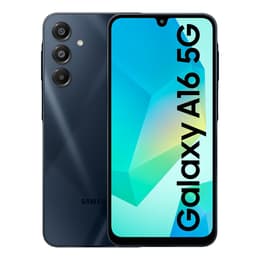
Galaxy A16 5G • Unlocked
Starting at

Refurbished price:$141.00

Versus $195.00 new

See options
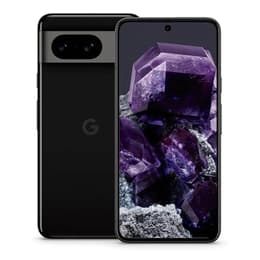
Google Pixel 8 • Unlocked
Starting at

Refurbished price:$254.00

Versus $699.99 new

See options

Ratings

The Samsung Galaxy A16 5G, released in late 2024, and the Google Pixel 8, launched in late 2023, are both Android smartphones offering distinct user experiences. While the Galaxy A16 5G focuses on providing a large display and extensive software support, the Pixel 8 emphasizes advanced computational photography and a streamlined Android experience. Both devices aim to cater to users seeking reliable mobile technology.

Scores

Durability

The longevity of a smartphone is influenced by its physical resilience and software support.

  • Release Timeline and Software Support: The Google Pixel 8, released in October 2023, benefits from an industry-leading commitment of seven years of OS and security updates, extending its software lifespan until October 2030. The Samsung Galaxy A16 5G, launched in October 2024, also offers substantial support with six years of OS upgrades and security updates, lasting until October 2030. This means both devices are designed for extended software relevance.
  • Physical Durability: The Pixel 8 features a glass body with IP68 dust and water protection, indicating a high level of resistance to environmental elements. The Galaxy A16 5G utilizes a hard plastic frame and a “Glastic” back, offering IP54 dust and splash resistance.
  • Repairability: The Galaxy A16 5G generally receives a good repairability score, with accessible components and pull tabs for the battery. The Pixel 8 also has a decent repairability score, though some internal components and the charging port may present challenges during repair.

Release Year

2024

2023

OS

Android

Android

Foldable

No

No

Performance

Evaluating smartphone performance involves considering how smoothly devices handle daily tasks and demanding applications.

  • Processor Capabilities: The Google Pixel 8 is equipped with a processor designed for efficient handling of complex tasks, including advanced AI features and image processing, resulting in a responsive user experience. The Samsung Galaxy A16 5G features an octa-core processor that capably manages everyday applications and multitasking.
  • System Responsiveness: Users of the Pixel 8 generally report a fluid and quick interface, with applications loading promptly and smooth transitions between tasks. The Galaxy A16 5G provides a capable experience for general use, though some users have noted occasional sluggishness or stuttering during intensive use or when navigating the interface.
  • Storage and RAM: The Pixel 8 typically comes with 8GB of RAM and offers 128GB or 256GB of internal storage, contributing to efficient multitasking and ample space for applications and media. The Galaxy A16 5G is available with various RAM configurations (4GB, 6GB, 8GB) and storage options (128GB, 256GB), with the higher RAM variants offering a smoother experience for more demanding users.

Memory (GB)

4 GB

8 GB

Screen quality

The display is a primary interface for user interaction, and its quality significantly impacts the overall experience.

  • Display Technology and Clarity: Both devices feature vibrant OLED displays. The Samsung Galaxy A16 5G has a 6.7-inch Super AMOLED display with FHD+ resolution, offering clear visuals and rich colors. The Google Pixel 8 features a 6.2-inch OLED display, also with FHD+ resolution, known for its color accuracy and deep blacks.
  • Refresh Rate and Smoothness: The Pixel 8 offers a variable refresh rate that can dynamically adjust between 60Hz and 120Hz, providing a very smooth scrolling experience and responsive interactions while optimizing power consumption. The Galaxy A16 5G features a 90Hz refresh rate, which delivers a smoother visual experience compared to standard 60Hz displays, particularly noticeable during scrolling and animations.
  • Brightness Levels: The Pixel 8's display can reach a peak brightness of up to 2000 nits, with a high brightness mode (HBM) of 1400 nits, ensuring excellent visibility even in bright outdoor conditions. The Galaxy A16 5G offers a maximum brightness of 800 nits in high brightness mode, which is suitable for most indoor and outdoor viewing, though it may struggle in direct sunlight.

Resolution

1080x2340

1080 x 2400

Screen type

Super AMOLED

OLED

Audiovisual

Camera and audio capabilities are crucial for capturing memories and enjoying multimedia.

  • Camera System Capabilities: The Google Pixel 8 features a dual-camera setup with a 50MP main sensor and a 12MP ultrawide lens with autofocus, known for its computational photography strengths and advanced image processing. The Samsung Galaxy A16 5G includes a triple-camera system with a 50MP main sensor, a 5MP ultrawide, and a 2MP macro lens, providing versatility for different types of shots.
  • Photography Performance: The Pixel 8 excels in producing detailed and color-accurate photos across various lighting conditions, with strong low-light performance and features that enhance image quality. The Galaxy A16 5G's main camera captures decent photos in good lighting, with solid performance for everyday shots, though its ultrawide and macro lenses are more basic.
  • Video Recording and Audio: The Pixel 8 offers high-quality video recording with advanced stabilization and clear audio capture. The Galaxy A16 5G can record 4K video and includes decent video stabilization, with users noting improvements in video quality over its predecessor. Both devices provide a satisfactory media consumption experience, though the Galaxy A16 5G has a single bottom-firing speaker.

Miscellaneous

Beyond core features, other practical elements contribute to a device's usability.

  • Connectivity: Both smartphones support 5G connectivity for fast mobile data. The Pixel 8 includes Wi-Fi 7 and Bluetooth 5.3, offering advanced wireless capabilities. The Galaxy A16 5G supports Wi-Fi 802.11 ac (dual-band) and Bluetooth 5.3.
  • Ports and Biometrics: Both devices feature a USB Type-C port for charging and data transfer, but neither includes a traditional 3.5mm headphone jack. The Pixel 8 offers an in-display fingerprint sensor and face recognition for secure unlocking. The Galaxy A16 5G uses a side-mounted fingerprint scanner.
  • Design and Handling: The Pixel 8 has a compact design, measuring 150.5 x 70.8 x 8.9mm and weighing 187g, making it comfortable for one-handed use. The Galaxy A16 5G is a larger device at 164.4 x 77.9 x 7.9mm and 200g, offering a more expansive screen experience.

Weight

7 oz

7 oz

Screen size (inches)

6.7

6.2

Network

5G

5G

SIM card

Physical SIM

Physical SIM + eSIM

Carrier compatibility

Unlocked

Unlocked

Connector

USB-C

USB-C

User feedback for the Google Pixel 8 often highlights its exceptional camera performance, particularly its computational photography features, and the long-term software support provided by Google. Users appreciate the clean Android experience and the integration of AI-powered functionalities. Some common observations include battery life being adequate but not class-leading, and a desire for a dedicated telephoto lens on the standard model.

For the Samsung Galaxy A16 5G, users frequently praise its vibrant Super AMOLED display, robust battery life, and Samsung's commitment to extended software updates. The design is often noted for its attractive appearance. However, some users have expressed concerns regarding the device's overall performance, describing it as occasionally sluggish, and the quality of the ultrawide and macro cameras as basic. The absence of stereo speakers is also a point of discussion.

Users prioritizing a compact device with advanced camera capabilities, a premium software experience, and the longest possible software support may find the Google Pixel 8 aligns well with their needs. Conversely, individuals who value a larger, vibrant display, extended battery life, and comprehensive software updates in a slightly larger form factor might lean towards the Samsung Galaxy A16 5G. Both devices offer compelling features, and considering a quality-assured refurbished option can be an eco-friendly alternative for either model.


See all articles

Our recent comparisons